Madam Kwans Health Guide - Page 3
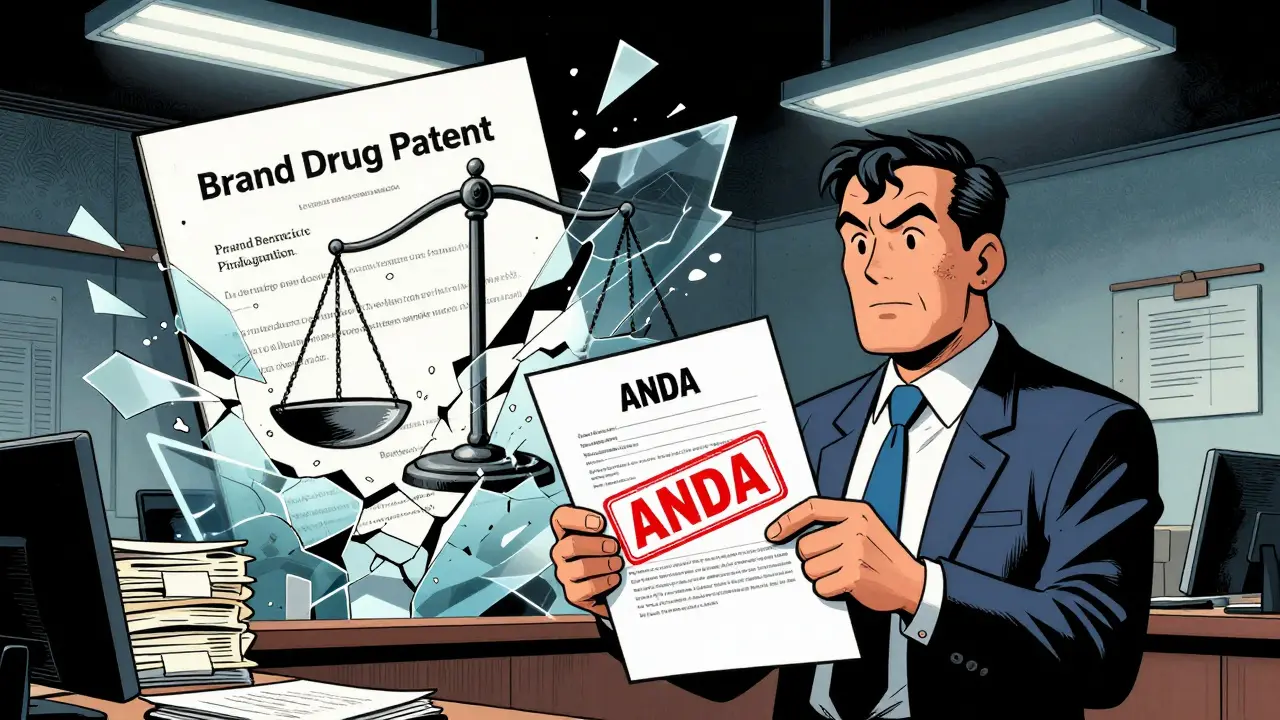
Paragraph IV Certifications: How Generic Drug Makers Legally Challenge Brand-Name Patents
Paragraph IV certifications let generic drug makers legally challenge brand-name patents before market entry. This Hatch-Waxman Act tool saves billions annually by forcing patent disputes into court, rewarding first challengers with 180 days of exclusivity.
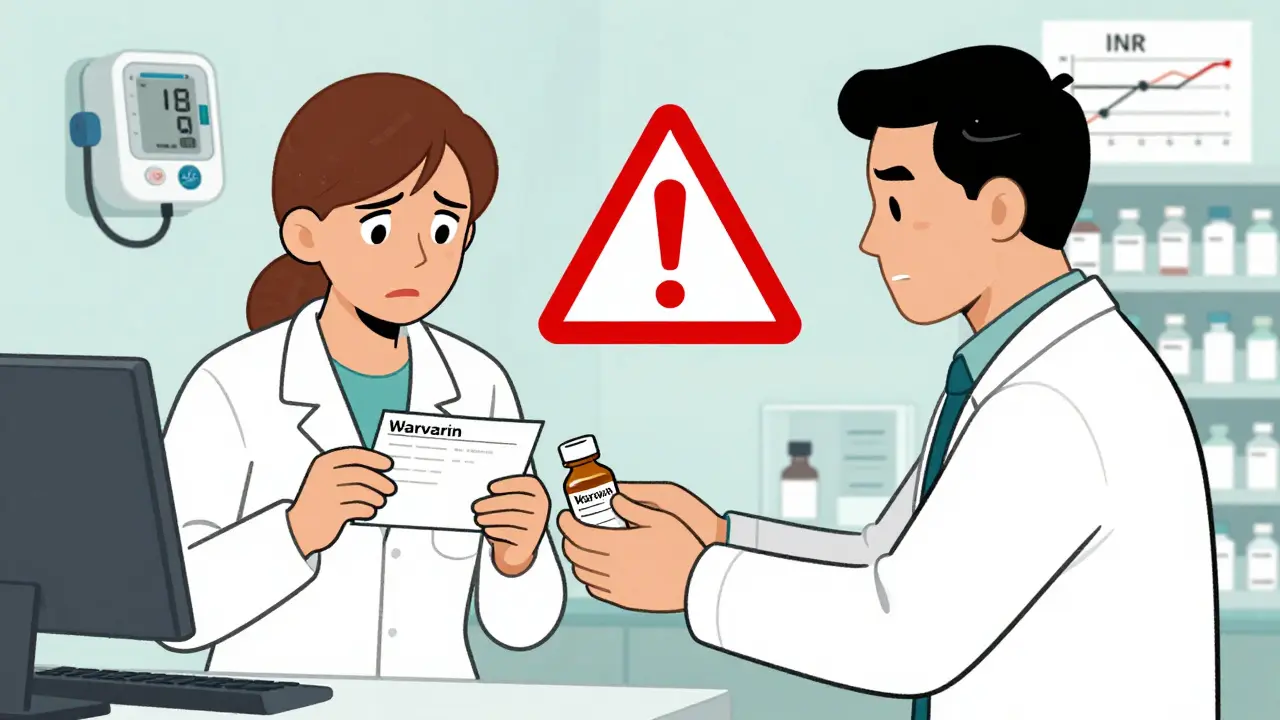
Prescriber Attitudes Toward NTI Drugs and Substitution Practices
Prescribers remain cautious about substituting generic drugs for narrow therapeutic index (NTI) medications like warfarin and levothyroxine due to risks of instability, inconsistent communication, and fragmented state laws-even as generics prove clinically equivalent in most cases.
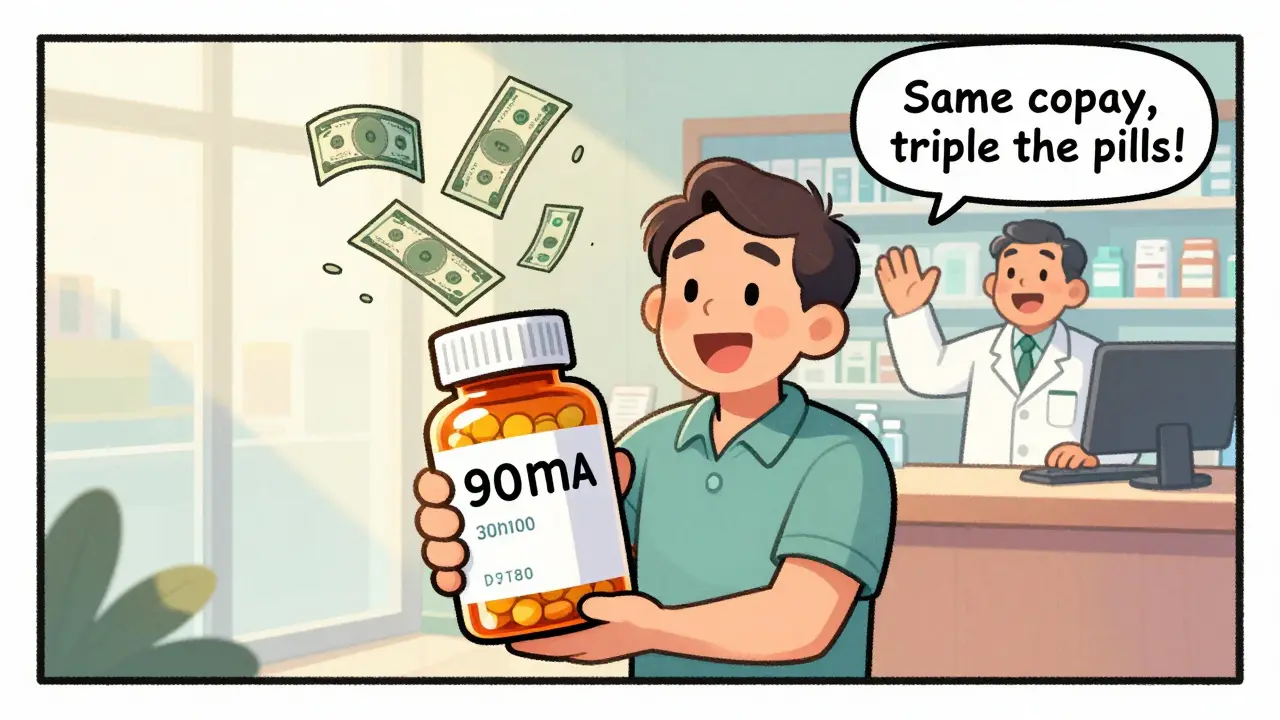
How to Get 90-Day Fills to Lower Prescription Costs
Switching to a 90-day prescription for chronic medications can cut your out-of-pocket costs by up to $40 per drug annually and reduce pharmacy visits by 8 times a year. Learn how to ask for it, where to get it, and why it works.
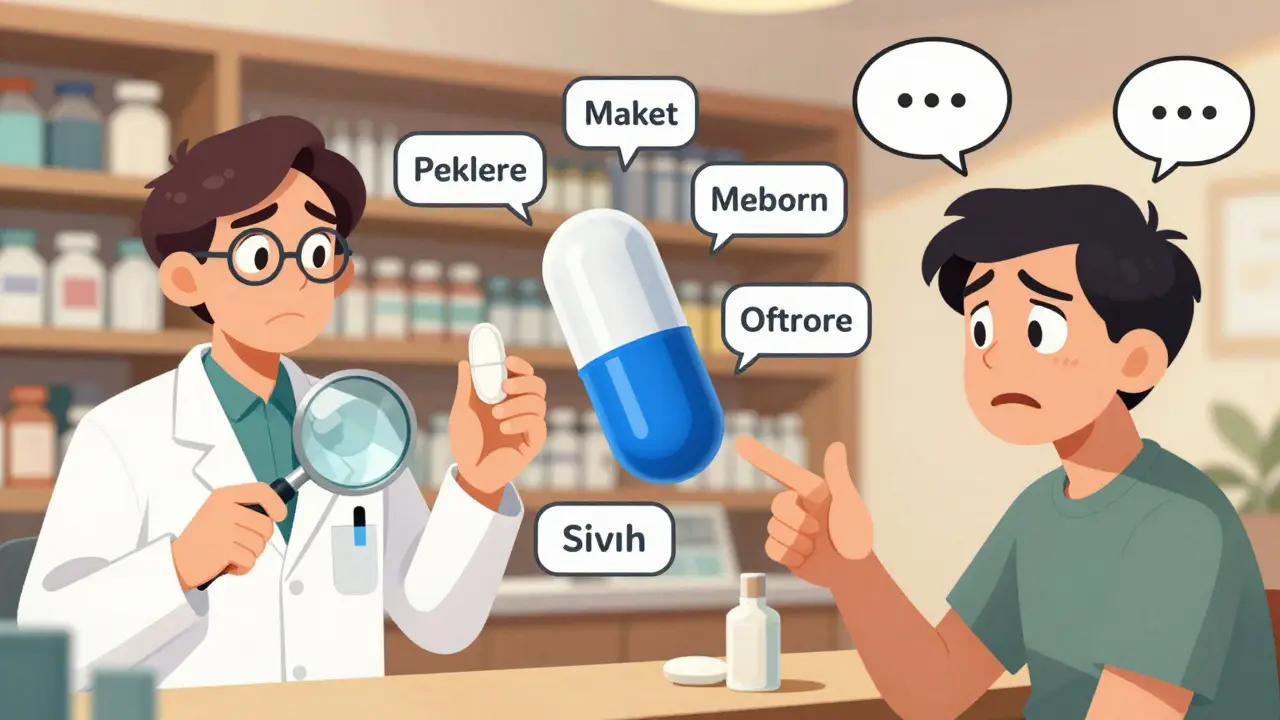
Pharmacy Errors with Generics: How to Prevent and Fix Common Mistakes
Generic medications are safe and effective, but pharmacy errors with them are common and preventable. Learn how look-alike pills, outdated databases, and poor communication lead to mistakes-and what pharmacists and patients can do to stop them.
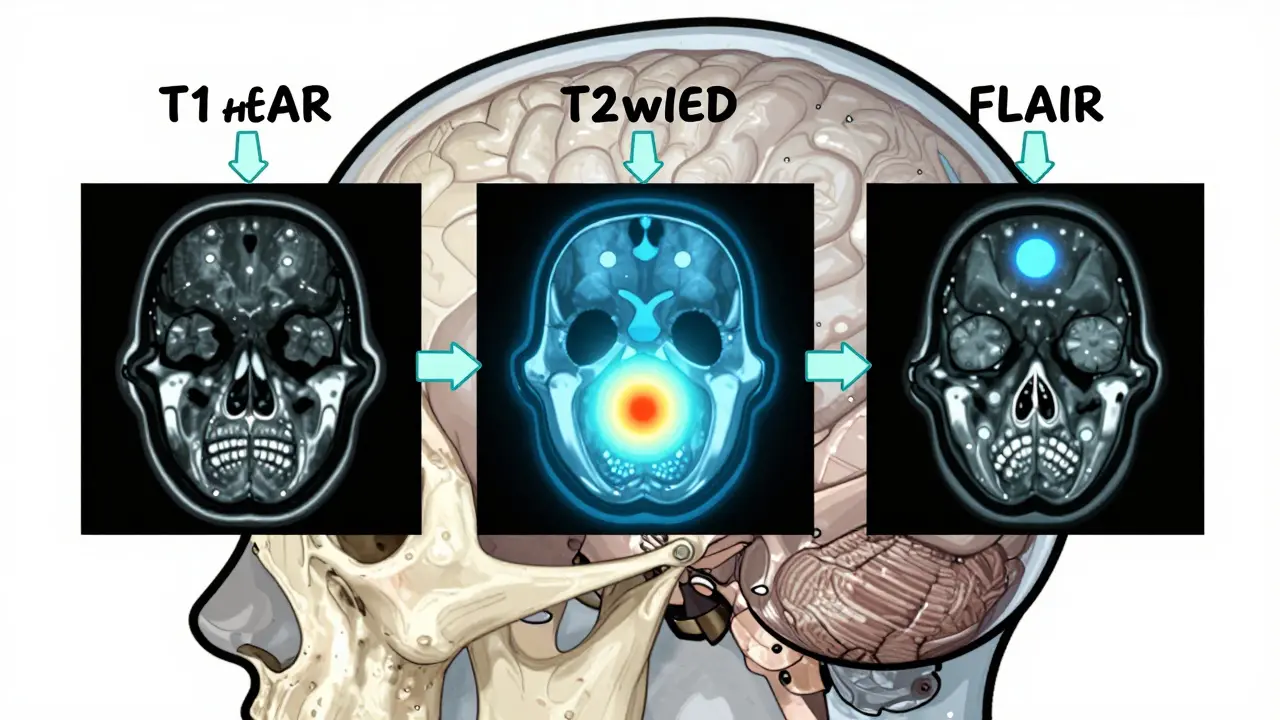
Brain MRI Basics: Understanding Common Neurological Findings
Understand the most common brain MRI findings like white matter lesions, strokes, and MS plaques. Learn how T1, T2, and FLAIR sequences work, what radiologists look for, and when MRI beats CT for neurological diagnosis.

Secondary Patents: How Brands Extend Market Exclusivity in Pharma
Secondary patents let drug companies extend market exclusivity by protecting minor changes to existing medicines-delaying generics and keeping prices high. Learn how patent thickets work, who benefits, and why global policies are starting to push back.
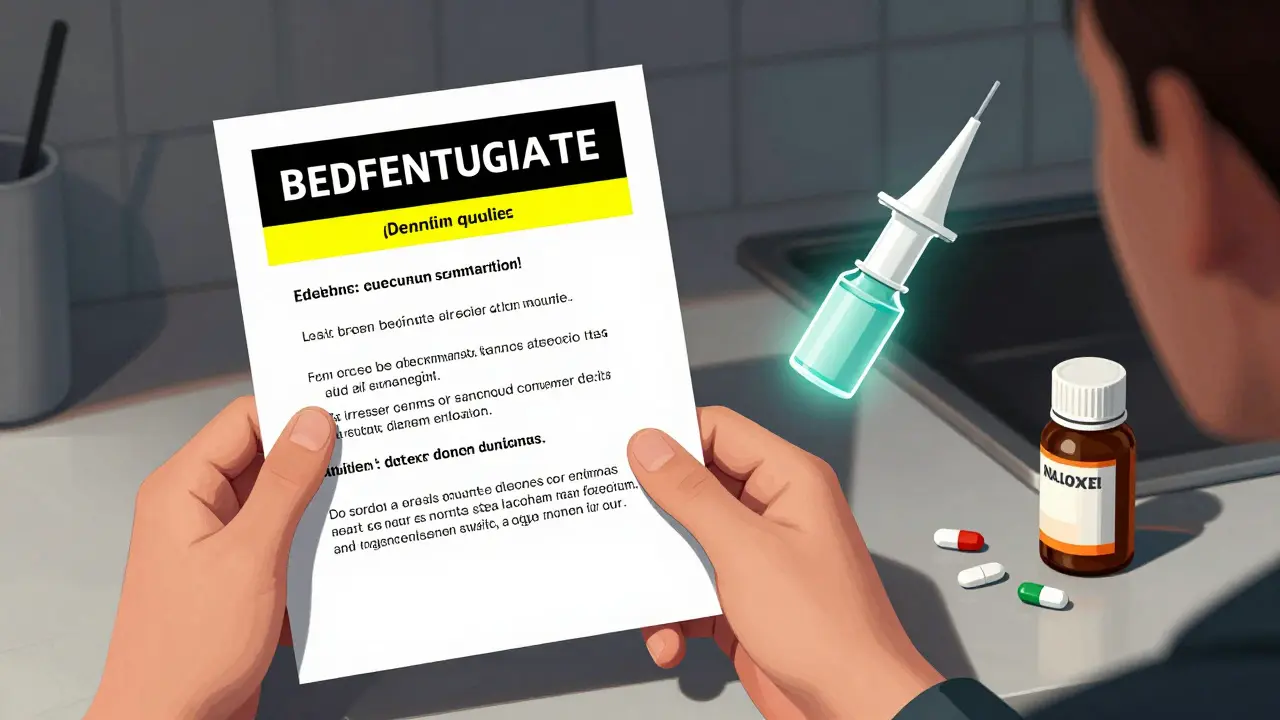
How to Read Medication Guides for Overdose Warnings and Antidotes
Learn how to find overdose warnings and antidotes in your medication guides. Know where to look, what the warnings mean, and how to act before it's too late.

Allergic Rhinitis: How to Manage Seasonal and Perennial Allergies Effectively
Learn how to manage seasonal and perennial allergic rhinitis with proven treatments like nasal steroids, antihistamines, and immunotherapy. Stop guessing-get real relief.

Spondylolisthesis: Understanding Back Pain, Instability, and Fusion Options
Spondylolisthesis causes lower back pain and instability when a vertebra slips forward. Learn how degenerative changes, sports injuries, and nerve compression trigger symptoms-and what treatments, including spinal fusion, actually work.
Five Essential Rules for Taking Medication Safely
Learn the five essential rules for taking medication safely to avoid dangerous errors. From checking your name and dose to knowing when to ask for help, these practical steps can prevent emergencies and save lives.
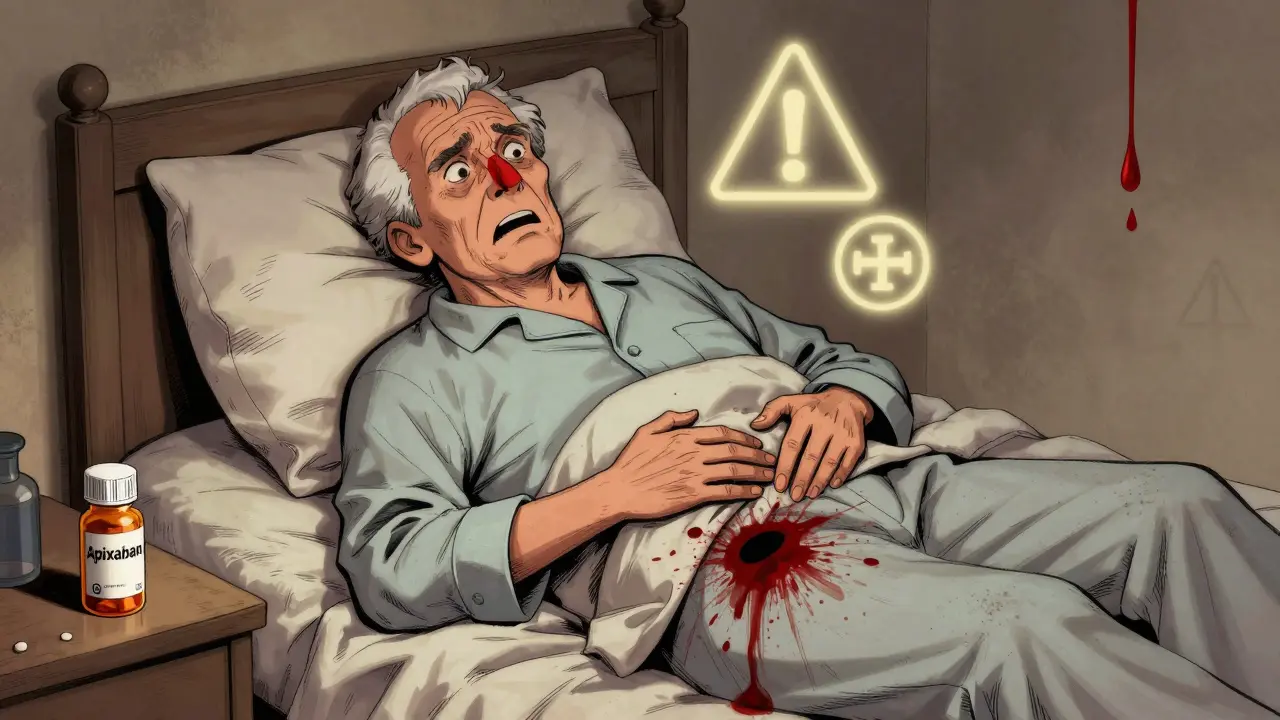
Severe Bleeding on Medications: What to Watch For and How to Respond in an Emergency
Severe bleeding from anticoagulants like apixaban or warfarin is life-threatening and often missed until it's critical. Learn the warning signs, who's at risk, and exactly what to do in an emergency.
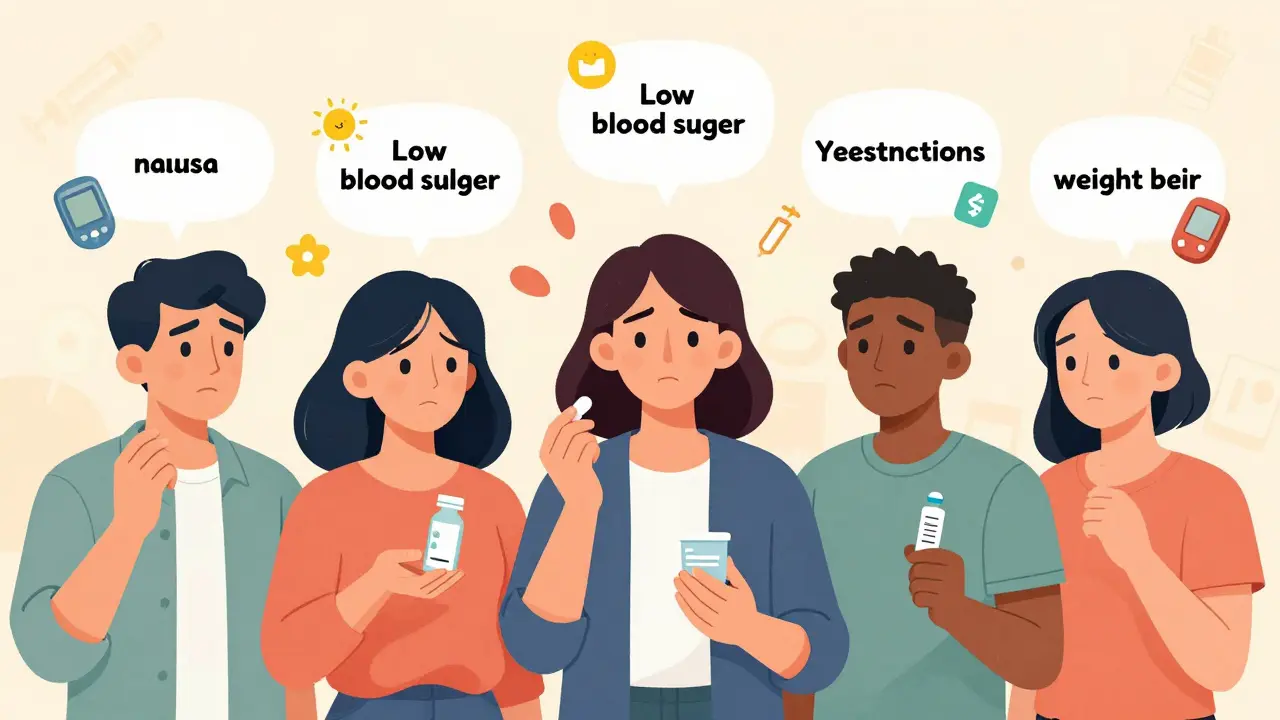
Diabetes Medications and Side Effects: What to Expect
Understand the most common diabetes medications, their side effects, and how to manage them. From metformin to GLP-1 agonists, know what to expect and how to stay safe.