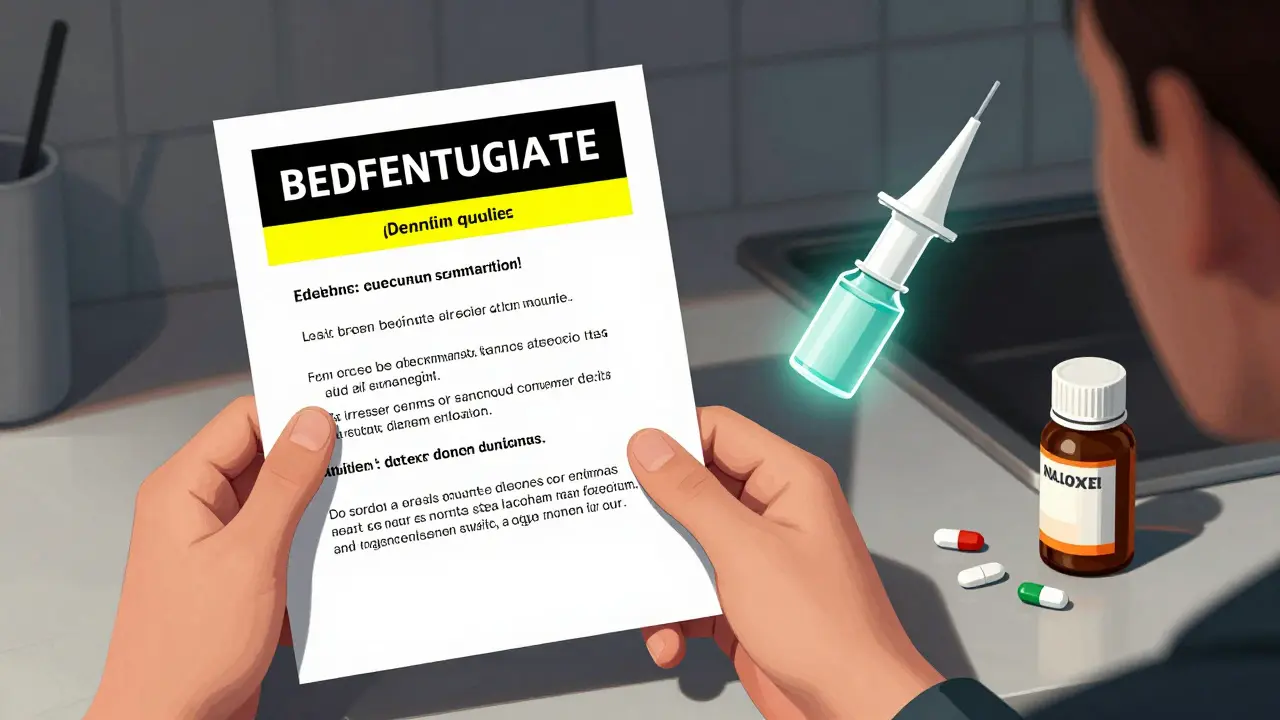
Every time you pick up a new prescription, you get a small paper booklet-the medication guide. Most people glance at it, tuck it in the bag, and forget about it. But that guide holds life-saving details you might miss if you don’t know where to look. Overdose warnings and antidotes aren’t hidden in fine print-they’re clearly labeled, but only if you know what to search for. If you or someone you care about takes opioids, benzodiazepines, sleep aids, or even certain painkillers, learning how to read these guides isn’t optional. It’s essential.
Where to Find Overdose Warnings in a Medication Guide
Medication guides follow strict FDA formatting rules. The most critical overdose information appears in three places: the Boxed Warning, the Warnings and Precautions section, and the dedicated Overdosage section. These aren’t random notes-they’re legally required highlights.
The Boxed Warning is the highest level of alert the FDA requires. It’s a black border around bold text, usually near the top of the guide. If your medication has one, it means serious risks-including death from overdose-are documented. For example, opioid painkillers like oxycodone or hydrocodone always carry a Boxed Warning about respiratory depression. Benzodiazepines like alprazolam warn about combining with alcohol or other depressants. Don’t skip this part. It’s there because people have died from ignoring it.
Beneath that, the Warnings and Precautions section expands on those risks. Here, you’ll find details like: “Risk of overdose increases with higher doses,” or “Do not use if you have severe asthma or untreated sleep apnea.” These aren’t vague suggestions-they’re clinical facts based on real patient outcomes. If your guide says “overdose may lead to coma or death,” that’s not scare tactics. That’s the data.
How to Spot Antidote Information
Antidotes aren’t always listed in the same section as overdose warnings, but they’re always in the Overdosage section. This part tells you what to do if too much of the drug is taken. For many medications, the antidote is clearly named.
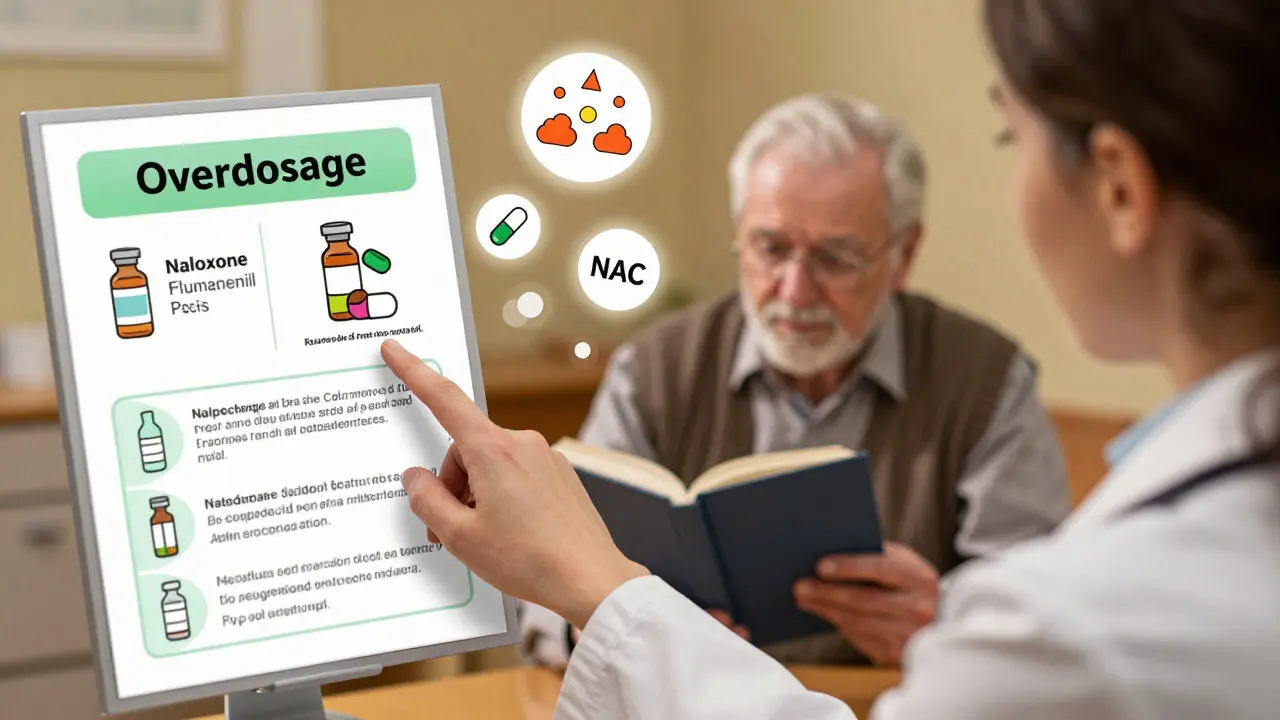
For opioids-like fentanyl, morphine, or codeine-the antidote is naloxone. The guide will say: “In cases of overdose, naloxone hydrochloride may be administered.” It might even specify dosage forms: nasal spray, injection, or auto-injector. Naloxone isn’t just mentioned-it’s listed as the standard response. The same applies to benzodiazepines like diazepam or lorazepam: the antidote is flumazenil. It’s not always available over the counter, but knowing it exists changes how you plan for emergencies.
Some medications have more complex antidotes. For example, acetaminophen overdose is treated with N-acetylcysteine (NAC), and this will be spelled out in the Overdosage section. You won’t find this info on the pill bottle. You won’t hear it from the pharmacist unless you ask. It’s only in the guide.
What the Numbers Tell You
Medication guides often include specific overdose thresholds. These aren’t guesses-they’re based on clinical trials and case reports. For example:
- Acetaminophen: Single dose over 7.5 grams can cause liver failure
- Oxycodone: Doses over 40 mg in opioid-naive patients carry high risk
- Diazepam: Over 200 mg may require intensive care
- Alprazolam: Over 20 mg can cause prolonged sedation or coma
These numbers matter. If you’re taking multiple prescriptions, you might accidentally cross a threshold without realizing it. A guide might warn: “Do not exceed 40 mg of oxycodone per day.” That’s not a suggestion. That’s the line between safety and danger. Write those numbers down. Keep them in your phone. Share them with a family member.
Red Flags in the Language
Some phrases in medication guides are easy to miss but carry heavy meaning. Watch for these:
- “Fatalities have been reported” - means people have died from this exact use
- “Concomitant use with CNS depressants increases risk” - that includes alcohol, sleeping pills, or muscle relaxants
- “Use with caution in elderly patients” - older adults process drugs slower, so lower doses are safer
- “Risk increases with prolonged use” - tolerance builds, and so does danger
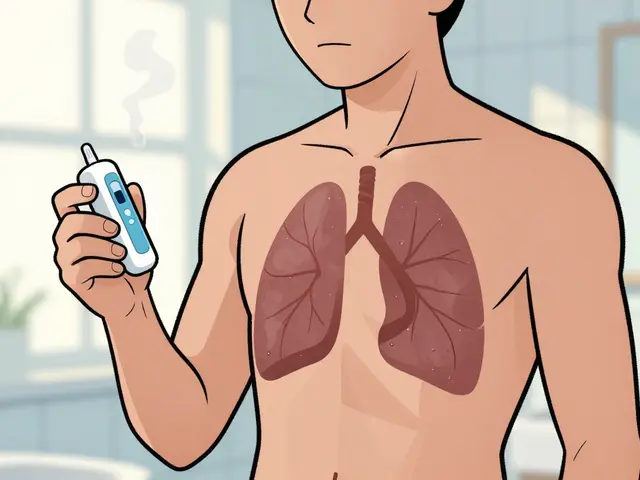
If a guide says “may cause respiratory depression,” don’t assume it’s rare. Respiratory depression is what kills in overdoses. It’s when breathing slows so much your body doesn’t get enough oxygen. That’s how someone goes from feeling drowsy to unconscious in minutes.
How to Use This Info Before an Emergency
Don’t wait for a crisis to read your guide. Make this part of your routine:
- When you get a new prescription, read the guide before leaving the pharmacy.
- Highlight the Boxed Warning and Overdosage section with a yellow marker.
- Write down the antidote name and keep it with your meds.
- Ask your pharmacist: “Is there a naloxone kit I should have on hand?” Many pharmacies now offer free naloxone without a prescription.
- Teach one person in your household where to find this info. If you can’t respond, someone else needs to know.
Many people don’t realize naloxone can be bought over the counter at pharmacies like CVS, Walgreens, or Rite Aid. It doesn’t require a prescription in any U.S. state. Keep one in your car, your purse, your kid’s backpack. It’s not just for opioid users-it’s for anyone who takes medications that affect breathing.
What If You Can’t Understand the Guide?
Medication guides are written in medical language. If you’re confused, don’t guess. Call your pharmacist. Ask: “Can you explain the overdose risks and antidote for this pill in plain English?” Pharmacists are trained to do this. They’re not busy-they’re there to help. You don’t need to be an expert to save a life. You just need to ask the right questions.
Some pharmacies offer free medication counseling. Use it. If you’re on multiple drugs, ask for a “medication review.” That’s when they check for dangerous interactions. It takes 15 minutes. It could prevent a trip to the ER.

Why This Matters More Than Ever
In 2023, over 80,000 people in the U.S. died from drug overdoses. Many of those deaths involved prescription medications taken exactly as directed-until they weren’t. A small change in dosage, mixing with alcohol, or forgetting you already took a pill can push someone over the edge. The medication guide is your last line of defense before that happens.
It’s not about fear. It’s about control. Knowing where the antidote is listed means you’re not helpless if something goes wrong. You’re prepared. You’ve read the guide. You know what to do. That’s the difference between panic and action.
What to Do If Someone Overdoses
Even if you’ve read the guide, emergencies happen. Here’s what to do:
- Call 911 immediately. Don’t wait. Don’t assume they’ll wake up.
- If naloxone is available, give it right away. Nasal spray: one dose in each nostril. Injection: into the thigh muscle.
- Start rescue breathing if they’re not breathing or breathing shallowly. Tilt head back, pinch nose, give one breath every 5 seconds.
- Stay with them. Even if they wake up, overdose can return. Naloxone wears off faster than some opioids.
- Hand the medication guide to emergency responders. It tells them exactly what was taken.
Don’t wait for signs like blue lips or pinpoint pupils. If someone is unresponsive, don’t hesitate. Give naloxone. Call 911. Save a life.
Final Reminder
You don’t need to be a doctor to read a medication guide. You just need to look. The information is there. It’s clear. It’s written so you won’t miss it. But only if you know where to find it. Don’t let it sit in a drawer. Read it. Mark it. Share it. Your life-or someone else’s-could depend on it.


Meghan Hammack on 9 January 2026, AT 08:08 AM
Just read my mom’s oxycodone guide last week-found the naloxone info tucked in the Overdosage section. I printed it out and taped it to the medicine cabinet. She doesn’t even know I did it. But if she ever stops breathing, I’m not guessing. I’m acting.