Learn how to safely manage dose differences in combination drugs. Understand therapeutic equivalence, FDA ratings, real-world risks, and practical steps to avoid substitution errors.
Fix common CPAP problems like dry mouth, mask leaks, and pressure issues with practical, proven solutions. Learn how to improve comfort and stick with your sleep apnea therapy.
Pricing pressure and supply chain disruptions are causing dangerous drug shortages as manufacturers can't afford to make low-margin generics. Here's how financial strain is leaving patients without essential medicines.
As of February 2025, the FDA removed the mandatory REMS program for clozapine. ANC monitoring is no longer required by law but remains medically essential. Learn what changed, how to stay safe, and why this shift improves access to a life-saving medication.
Statin side effects like muscle pain are common but often manageable. Learn how dose adjustment, switching statins, and lifestyle changes can help you stay on therapy and protect your heart without giving up.
Family history and genetic factors play a major role in how your body responds to generic drugs. Learn how your genes affect drug metabolism, why generics aren't always the same for everyone, and what steps you can take to avoid dangerous side effects.
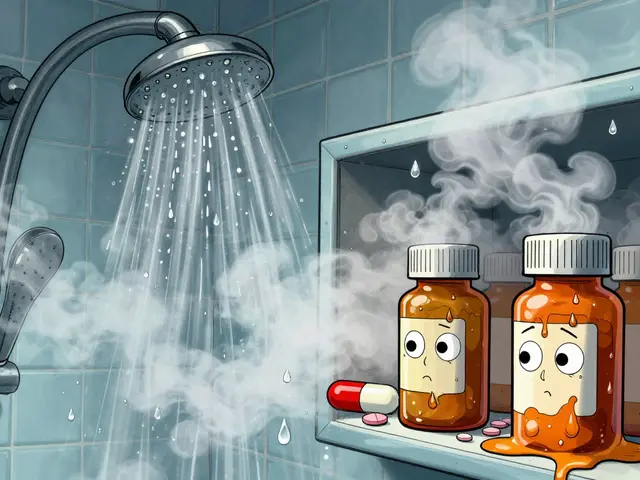
Storing medications in the bathroom can ruin their effectiveness and create serious health risks. Learn why humidity, heat, and easy access make this common habit dangerous - and what to do instead.
Learn how to ask your doctor for a lower-cost therapeutic alternative medication that works just as well but saves hundreds per month. Real strategies, real savings, no fluff.
Paragraph IV certifications let generic drug makers legally challenge brand-name patents before market entry. This Hatch-Waxman Act tool saves billions annually by forcing patent disputes into court, rewarding first challengers with 180 days of exclusivity.
Prescribers remain cautious about substituting generic drugs for narrow therapeutic index (NTI) medications like warfarin and levothyroxine due to risks of instability, inconsistent communication, and fragmented state laws-even as generics prove clinically equivalent in most cases.
Switching to a 90-day prescription for chronic medications can cut your out-of-pocket costs by up to $40 per drug annually and reduce pharmacy visits by 8 times a year. Learn how to ask for it, where to get it, and why it works.
Generic medications are safe and effective, but pharmacy errors with them are common and preventable. Learn how look-alike pills, outdated databases, and poor communication lead to mistakes-and what pharmacists and patients can do to stop them.