Hyponatremia Risk & Symptom Checker
Use this tool to assess potential risks based on medication and current symptoms. Disclaimer: This is for educational purposes only and is not a medical diagnosis. If you suspect a medical emergency, seek immediate care.
Assessment Result:
Key Takeaways for Patients and Caregivers
- Severe hyponatremia often appears 1-4 weeks after starting high-risk drugs like SSRIs or diuretics.
- Confusion and nausea are early red flags; seizures and coma are late-stage emergencies.
- Rapid correction of sodium is dangerous and can cause permanent brain injury (ODS).
- Elderly patients and women are at the highest risk for severe reactions.
- Immediate medical intervention can lead to a 92% recovery rate if treated within 24 hours.
The Dangerous Culprits: Which Medications Raise the Risk?
Not all drugs cause this reaction, but several common classes are notorious for disrupting how your kidneys handle water. The primary driver is often SIADH, or Syndrome of Inappropriate Antidiuretic Hormone secretion, which forces the body to retain too much water, effectively diluting the sodium in your blood.
The most common offenders include Diuretics, often called water pills, which are responsible for about 28% of medication-related cases. Then there are SSRIs (Selective Serotonin Reuptake Inhibitors) used for depression, which account for 22% of cases. Antiepileptics like Carbamazepine and Oxcarbazepine also carry significant risks, with carbamazepine having one of the highest relative risks for triggering this drop.
| Medication Class | Approx. Share of Cases | Common Examples | Typical Onset Window |
|---|---|---|---|
| Diuretics | 28% | Hydrochlorothiazide, Furosemide | Days to Weeks |
| SSRIs | 22% | Sertraline, Citalopram, Fluoxetine | 1-4 Weeks |
| Antiepileptics | 18% | Carbamazepine, Oxcarbazepine | Weeks |
| Other | Variable | ACE Inhibitors, MAOIs, MDMA | Variable |
Spotting the Red Flags: From "Brain Fog" to Seizures
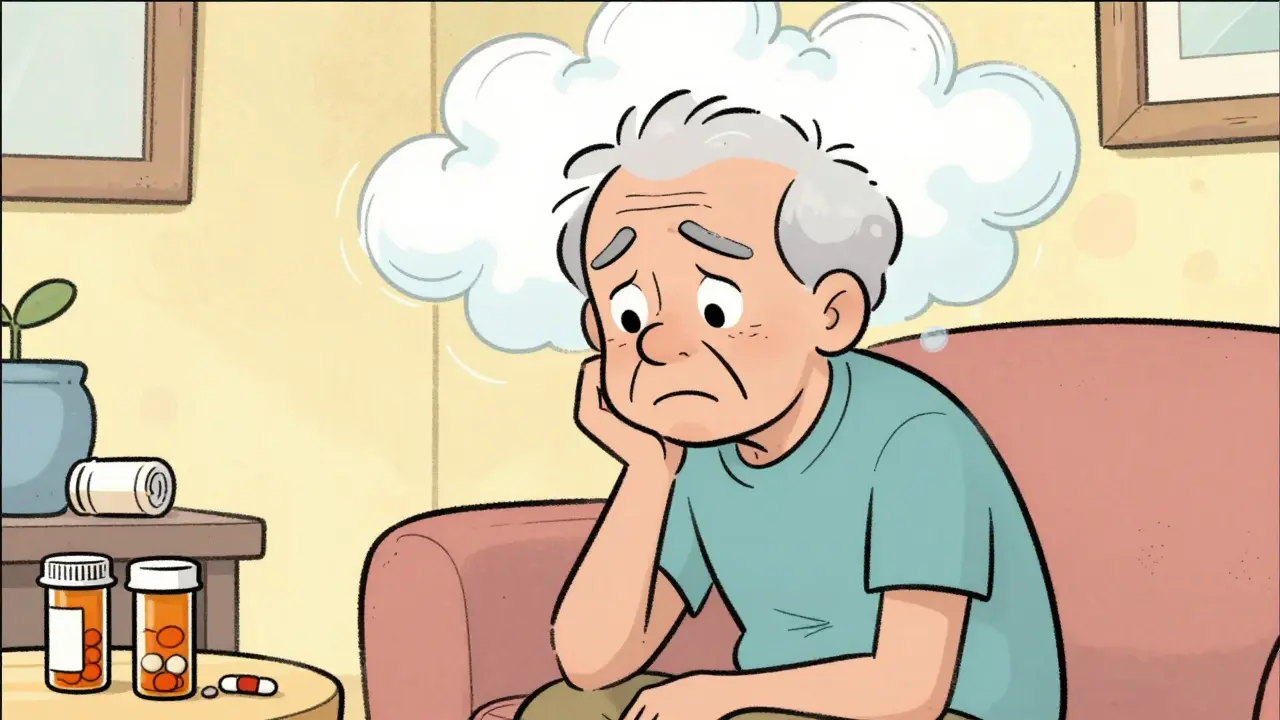
The tragedy of drug-induced hyponatremia is that it often looks like something else. In about 68% of severe cases, the first sign is confusion. Because this often happens to elderly patients, doctors sometimes mistake it for early dementia or a psychiatric break. In reality, it's a neurological crisis.
As sodium levels dip below 125 mmol/L, nearly half of patients experience significant neurological symptoms. You might notice a persistent headache, nausea, or a general sense of disorientation. However, the window between this mild confusion and a full-blown seizure can be as short as 6 to 8 hours. When levels crash below 115 mmol/L, the risk of seizures jumps to roughly 22%, and the mortality rate can hit 37% if the patient isn't treated within 48 hours.
Think of it as a sliding scale: it starts with fatigue and "clumsiness," moves to profound confusion and vomiting, and ends with seizures or a coma. If someone starts a new medication and suddenly seems "out of it" or starts acting unlike themselves, don't assume it's just old age or a mood swing.
Emergency Care and the Danger of "Too Much, Too Fast"
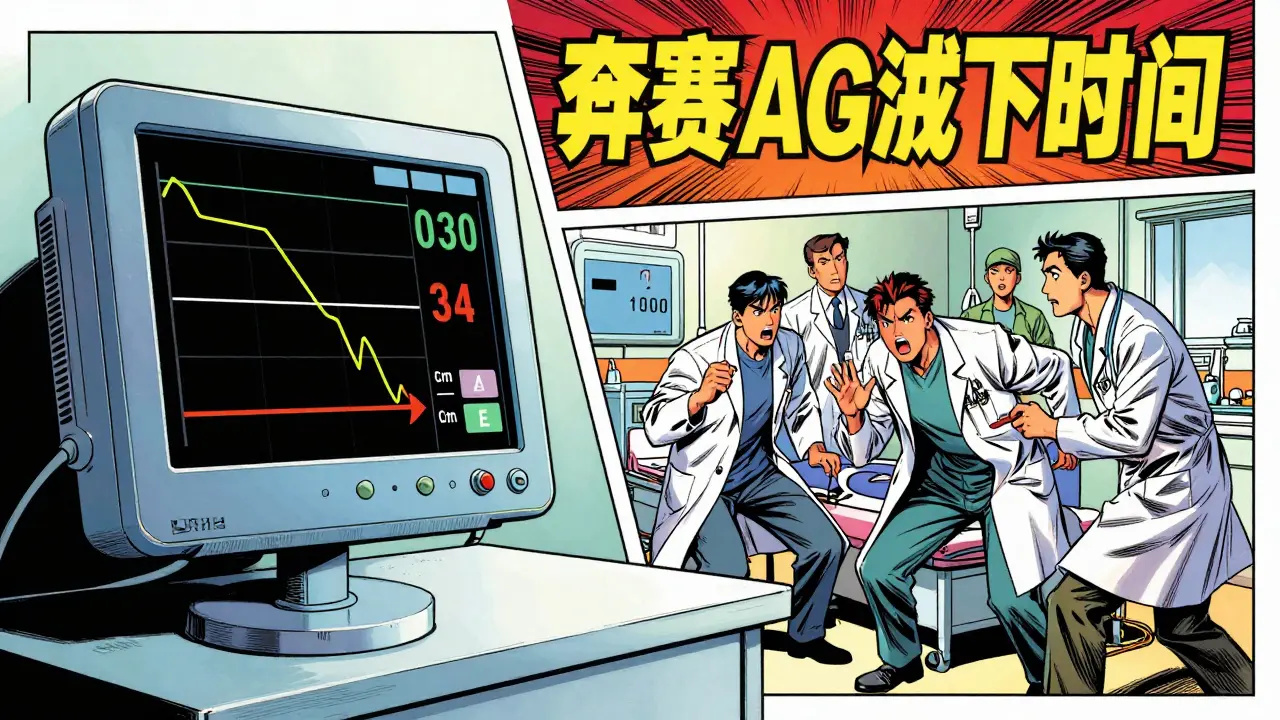
When a patient arrives at the ER with severe hyponatremia, the instinct is to pump sodium back into the blood as quickly as possible. This is a dangerous mistake. If the brain has spent a few weeks adapting to low sodium, a sudden surge of salt can cause water to be ripped out of the brain cells too quickly.
This leads to Osmotic Demyelination Syndrome (ODS), a devastating condition where the protective coating of nerve cells in the brain is destroyed. ODS occurs in about 9% of cases where sodium is corrected too rapidly. To avoid this, doctors must follow a strict "speed limit." While guidelines vary, most experts recommend a maximum correction of 6 to 8 mmol/L in the first 24 hours.
Modern treatment may involve Tolvaptan, a medication approved to help the body get rid of excess water without losing sodium. In clinical trials, this has helped reduce the time it takes to stabilize a patient compared to older methods, providing a safer path back to normal electrolyte levels.

Preventing the Crash: A Guide for Patients and Doctors
The most effective way to handle this is to stop it before it starts. Since 73% of severe cases happen within the first 30 days of starting a new drug, the first month is the critical danger zone. For those over 65, the risk is nearly three times higher than for younger adults.
A simple blood test to check sodium levels 7 to 14 days after starting a high-risk medication can be a lifesaver. If you are a patient, ask your doctor: "Since I'm starting this medication, when should we check my electrolytes?" If you're a caregiver, keep a diary of any new behavioral changes or physical symptoms like nausea that appear after a pharmacy visit.
The goal is early detection. When caught within the first 24 hours of symptom onset, the recovery rate is a staggering 92%. When we wait until a seizure occurs, that number drops significantly. The difference between a quick recovery and permanent brain damage is often just a single blood test administered a week early.
Why do SSRIs cause low sodium?
SSRIs can trigger the syndrome of inappropriate antidiuretic hormone secretion (SIADH). This causes the body to keep too much water in the blood, which dilutes the sodium levels, leading to hyponatremia.
Can you recover fully from a hyponatremia-induced seizure?
Yes, many patients recover fully if the sodium is corrected carefully and promptly. In fact, medication-induced cases often have a better prognosis than other forms of hyponatremia if identified within 24 hours, with recovery rates around 92%.
What is the "speed limit" for correcting sodium?
To avoid Osmotic Demyelination Syndrome, most clinicians aim for a correction of 4-8 mmol/L per 24 hours. Exceeding this rate can lead to permanent neurological damage.
Is this only a risk for the elderly?
While elderly patients (65+) represent about 61% of severe cases and women represent 57%, anyone taking high-risk medications can develop the condition. Age and gender are risk factors, but not the only ones.
What should I do if I suspect low sodium?
If you experience new onset of confusion, severe nausea, or extreme lethargy after starting a medication, seek immediate medical attention. An urgent serum sodium blood test is the only way to diagnose the condition.
Next Steps and Troubleshooting
If you have just been diagnosed with medication-induced hyponatremia, your first step is a consultation with your physician to determine if the medication can be swapped. For example, some diuretics can be replaced with alternatives that don't carry the same risk. However, if you are on an essential medication like an SSRI for severe depression, your doctor may choose to keep you on the drug while implementing a strict monitoring schedule.
For those recovering at home, watch for "rebound" symptoms. About 33% of patients who must continue SSRI therapy experience a recurrence of low sodium. This means your monitoring shouldn't stop once you leave the hospital; a quarterly or bi-annual blood check may be necessary to ensure your levels remain stable.



Goodwin Colangelo on 5 April 2026, AT 00:01 AM
This is a great reminder for anyone on SSRIs or diuretics to stay on top of their labs. I've seen a few cases where people just felt a bit off and didn't realize their sodium was crashing until they hit the ER. It's all about that early detection and not rushing the correction process to avoid ODS.