Formulary Change Impact Calculator
Why this matters: Formularies often change between plan years. This tool uses typical tier cost structures described in health guidelines to project how moving a drug to a higher or lower tier might affect your budget.
Scenario A: Current
NowScenario B: Projected
Jan 1stThe Shock of the Price Tag
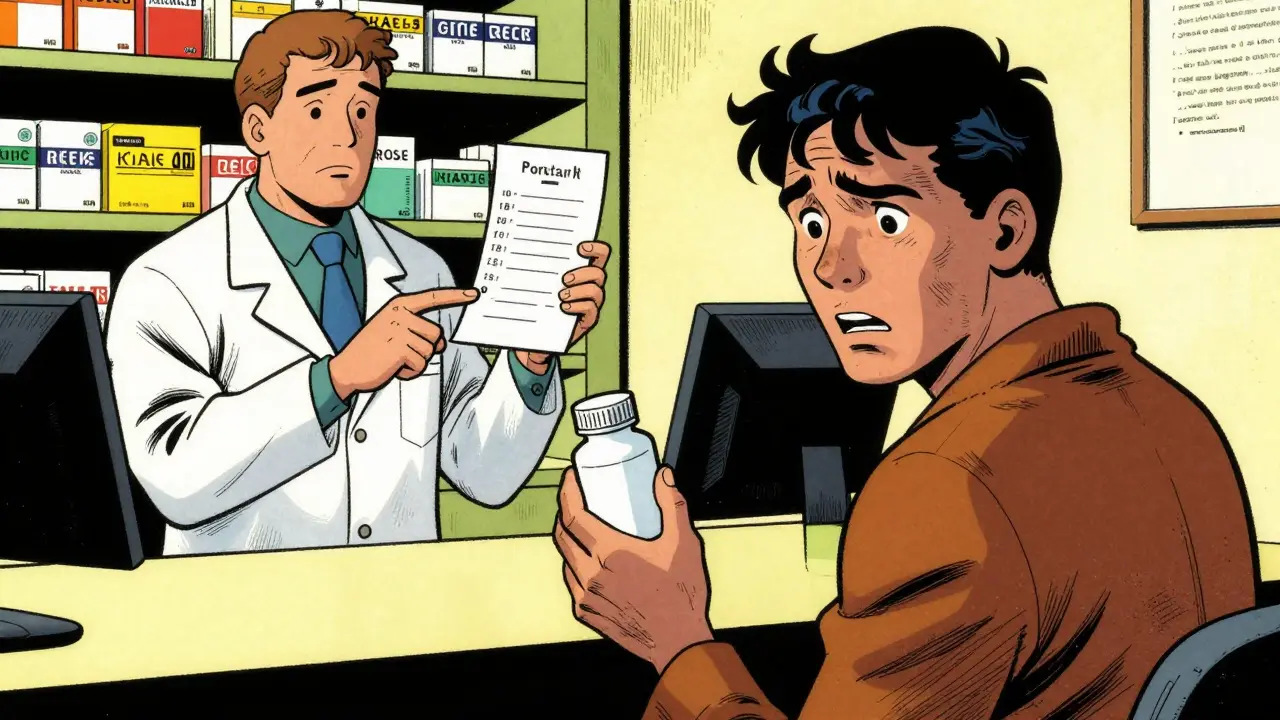
You fill your prescription at the usual pharmacy, and the cashier tells you something you never expected. Your heart medication cost $30 last month, but today the total is $350. The insurance company moved it. Welcome to the world of formularies, which are official lists of prescription medications covered by health insurance plans detailing availability and cost. These documents change frequently, often without you realizing it until you try to pay the bill. Understanding this system is no longer optional; it is essential for keeping your treatment affordable and uninterrupted.
Understanding How Formularies Work
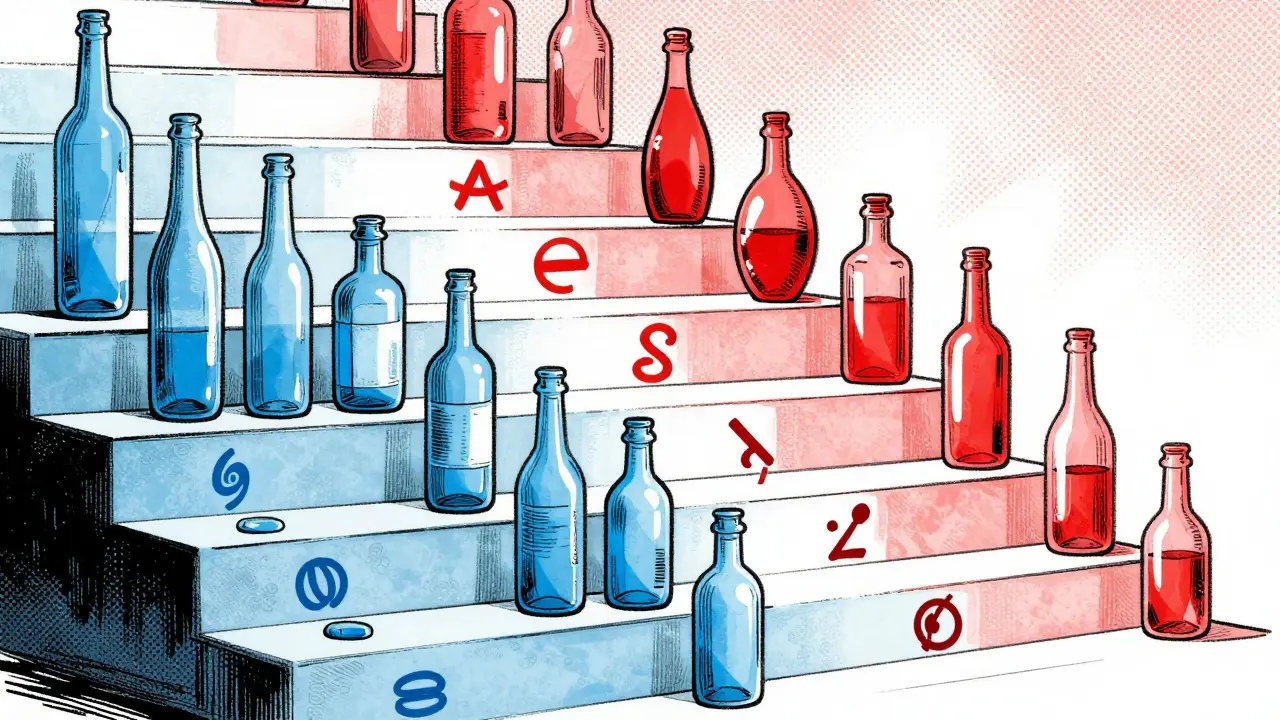
Think of a formulary as a menu for your doctor. Just like a restaurant menu lists available dishes, a formulary lists approved drugs. However, unlike a restaurant where you can ask for anything, insurance formularies restrict what is available and how much you pay based on tiers. Most plans use a tiered structure with three to five levels. Tier 1 usually includes generic drugs with the lowest copay, often between $0 and $10. Tier 2 covers preferred brand-name drugs ranging from $25 to $50. As you move up to Tier 3 and beyond, the prices for non-preferred brands and specialty medications can skyrocket over $100 per month.
Medicare Part D is a specific insurance benefit covering outpatient prescription drugs for seniors. Plans under this system must follow federal rules, such as covering at least two drug products in each therapeutic class. About 95% of these plans utilize four or five tier structures. If you have commercial insurance instead, the rules vary slightly. While Medicare protects specific classes like antidepressants and HIV medications, commercial plans have more flexibility, often imposing stricter prior authorization requirements on high-cost drugs.
| Tier Level | Moderate Cost Range | Drug Type Example |
|---|---|---|
| Tier 1 | $0 - $10 | Generic Medications |
| Tier 2 | $25 - $50 | Preferred Brand-Name |
| Tier 3 | $50 - $100 | Non-Preferred Brands |
| Tier 4 / 5 | $100+ (or % of cost) | Specialty Medications |
Who Decides What Gets Covered?
You might wonder who picks which drugs make the cut. A group called the Pharmacy and Therapeutics (P&T) Committee makes these calls. These teams include pharmacists and physicians who evaluate safety, effectiveness, and cost. They decide whether a drug stays, gets removed, or moves to a higher cost tier. This process isn't random. It aims to balance cost management with therapeutic effectiveness. However, outside influences play a role too. Pharmacy Benefit Managers (PBMs) act as intermediaries that negotiate drug prices and manage formularies for insurers. Three major companies-CVS Caremark, Express Scripts, and OptumRx-manage the formularies for the vast majority of commercially insured Americans. Their decisions significantly impact your access to medication.
Why Formularies Change
Formularies are living documents. They update annually when the new plan year starts, typically on January 1. Yet, mid-year changes happen in about 23% of plans. Changes occur for several reasons. Sometimes a cheaper generic version becomes available, prompting the insurer to drop the brand name to save money. Other times, a new drug offers better clinical results, and the committee wants to encourage its use. Occasionally, safety concerns flagged by the FDA force immediate removals. For patients, these updates can feel abrupt. You might receive a notification letter, but data suggests 68% of beneficiaries find formulary information difficult to locate online. You have to hunt for the details yourself.
How to Audit Your Coverage
Do not wait until you stand at the pharmacy counter to check your benefits. Proactive verification is your best defense. Start by identifying your specific plan name found on your insurance card. Then visit the insurer's website during the open enrollment period. For Medicare, this window runs from October 15 to December 7. Locate the formulary document, often hidden under "Plan Materials" or "Drug List." Search by your exact drug name or therapeutic class. If your medication appears on a high tier, contact your doctor immediately to see if an equivalent alternative exists on a lower tier. This process takes roughly 2 to 5 hours of research, but it saves thousands of dollars.

Navigating Exceptions and Appeals
What happens when the drug you need is gone? You aren't stuck. Most plans allow you to request a formulary exception. This asks the insurer to cover a drug that was removed or on a higher tier. Success depends on the medical justification. Doctors submit paperwork documenting previous treatment failures or adverse reactions to alternatives. Research shows 78% of exception requests get approved within 72 hours when submitted by physicians. Cancer medications have higher approval rates (around 92%) compared to dermatological treatments (about 65%). If denied, you have the right to appeal. Persistence pays off. Keep records of every phone call and submission date. Many patients report that getting a second opinion helps strengthen the case.
Looking Ahead: The Regulatory Shift
The landscape is shifting under new legislation. The Inflation Reduction Act introduced hard caps on annual out-of-pocket costs for Medicare beneficiaries starting in 2025, limiting spending to $2,000. This regulation reduces the financial sting of high-cost tiers. Insurers are also facing stricter scrutiny from regulators like the Federal Trade Commission, particularly regarding antitrust practices in formulary placement. We are seeing a trend toward value-based design where outcomes data influence coverage decisions more than just raw price. By 2026, many plans integrate AI-driven tools to manage these lists, potentially making changes faster but less transparent. Stay vigilant with your annual review.
Strategies for Safe Transitions
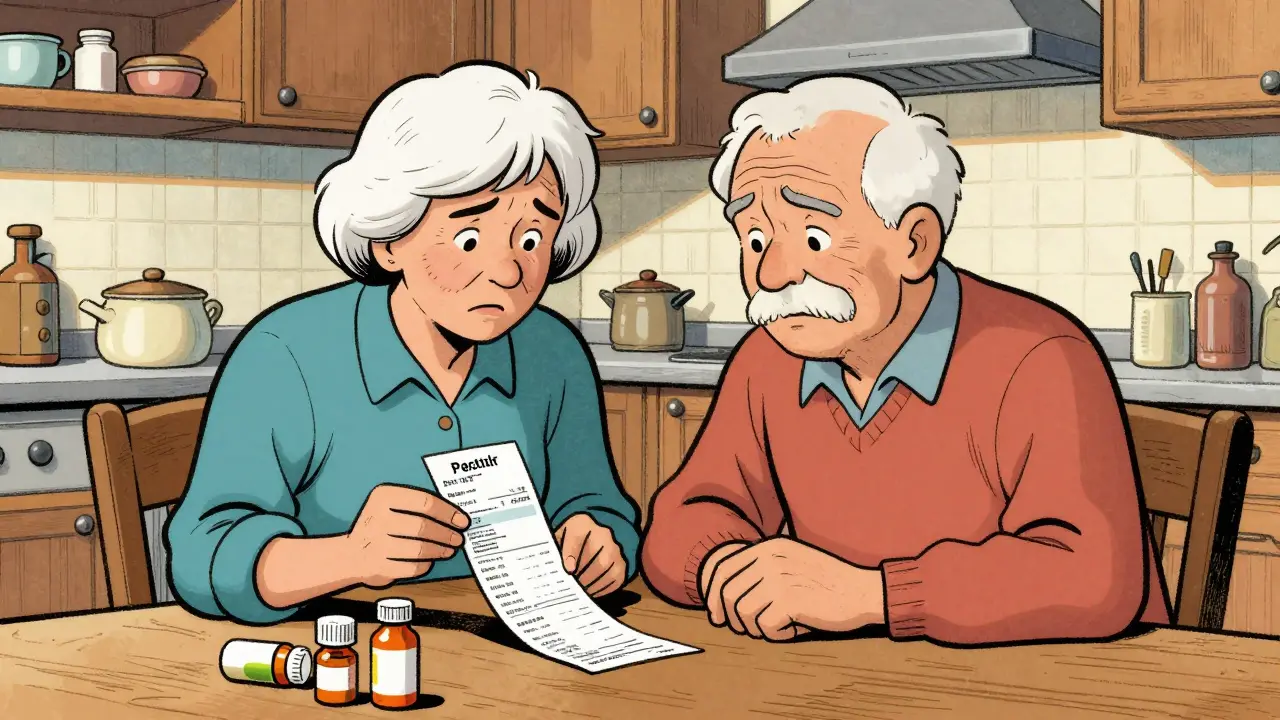
Safety means avoiding gaps in treatment. When a drug is removed, a "seamless transition" strategy is crucial. Ask your provider for a bridge supply if possible while exceptions are processed. Coordinate closely with your neurologist or specialist during the changeover. There are cases where caregivers reported smooth switches to therapeutically equivalent alternatives with no cost increase. Conversely, treatment delays have caused real harm. The National Patient Advocate Foundation noted that 43% of surveyed patients experienced delays due to restrictions. Never stop taking prescribed medication without consulting your doctor first. Sudden cessation can lead to severe withdrawal symptoms or condition flare-ups.
Set reminders to review your plan materials every fall. During Open Enrollment, compare your current medication list against next year's projected formulary. If a critical medication is flagged as removed, switch plans before January 1. The Medicare Plan Finder tool remains a vital resource despite mixed user ratings on transparency. Don't assume you know your coverage; verify it actively.
How do I know if my medication is covered?
You can verify coverage by logging into your insurer's portal and searching their formulary list using the drug's name. Check specifically for the drug's tier level to determine your cost.
Can I appeal a formulary denial?
Yes, you can request an exception through your doctor. Approval rates are generally high for chronic conditions if proper medical documentation proves alternatives fail.
When do formularies typically change?
Most changes take effect on January 1 for the new plan year. Mid-year updates occur in about 23% of plans, often with 30 to 60 days notice required.
Are there protections for expensive specialty drugs?
Specialty drugs usually sit in the highest cost tiers. However, new federal caps on out-of-pocket spending in Medicare may reduce the final burden for beneficiaries starting recently.
Who creates the drug lists?
Pharmacy and Therapeutics committees comprising doctors and pharmacists review safety and cost data to build and maintain the official formulary lists for insurers.



Molly O'Donnell on 31 March 2026, AT 21:05 PM
The insurance industry operates on a fundamental conflict of interest designed to harm consumers.