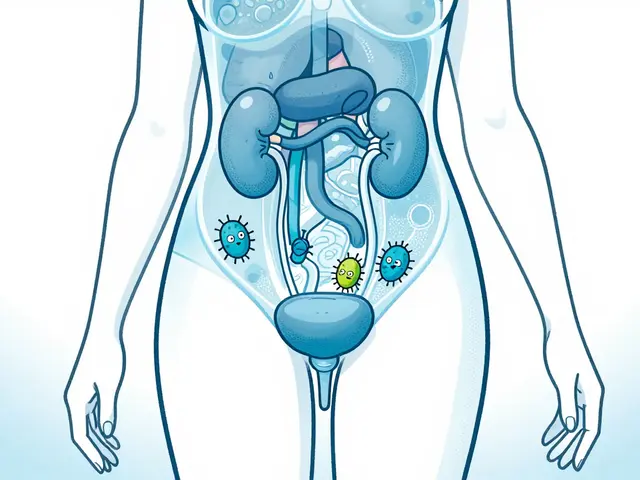
Managing what you eat when your kidneys aren't working at 100% can feel like a full-time job. For millions of people living with Chronic Kidney Disease (CKD), the biggest question usually boils down to: "How much protein is too much?" It seems counterintuitive-protein is the building block of our muscles and organs-but when the kidneys struggle, they can't easily clear out the waste products from protein metabolism. This leads to a buildup of toxins in the blood, making you feel fatigued, nauseous, and generally unwell.
The goal of adjusting your protein intake isn't just about following a rulebook; it's about slowing down the decline of your Glomerular Filtration Rate (GFR) and potentially pushing back the start of dialysis by six months to a year. However, there is a delicate balance here. Go too high, and you stress the kidneys; go too low, and you risk muscle wasting and malnutrition. Let's break down the specific targets based on where you are in your CKD journey.
Protein Targets by CKD Stage
Your protein needs change as your kidney function shifts. Most guidelines use your "ideal body weight" (IBW) in kilograms to calculate these numbers. If you aren't sure of your IBW, your doctor or a renal dietitian is the best person to help you figure it out.
For those in Stages 1 and 2 (GFR 60 or higher), the approach is generally moderate. The Kidney Health Initiative suggests keeping protein at or below 0.8 grams per kilogram of body weight. For a 68 kg (150 lb) person, that's roughly 54 grams of protein a day. Interestingly, recent data suggests that older adults in these early stages might actually do better with slightly more protein to prevent frailty, as cardiovascular risks often outweigh the theoretical risks of protein-driven kidney decline in seniors.
Once you hit Stages 3, 4, and 5 (GFR below 60), the strategy shifts toward more significant restriction. The KDOQI (Kidney Disease Outcomes Quality Initiative) guidelines often recommend a tighter window of 0.55 to 0.60 grams per kilogram. In practical terms, that same 150 lb person would move from 54 grams down to about 40-54 grams daily. If your GFR drops below 25, the focus shifts heavily toward "high-quality" proteins-those that provide all essential amino acids-to ensure your body doesn't start breaking down its own muscle for fuel.
| CKD Stage | Estimated GFR | Recommended Protein (g/kg IBW) | Example (150 lb / 68 kg person) |
|---|---|---|---|
| Stage 1-2 | ≥ 60 | ≤ 0.8 g/kg | Up to 54g / day |
| Stage 3-5 | ≤ 59 | 0.55 - 0.60 g/kg | 40g - 54g / day |
| Diabetic CKD | Varies | 0.8 - 0.9 g/kg | 54g - 61g / day |
Plant vs. Animal Proteins: Why the Source Matters
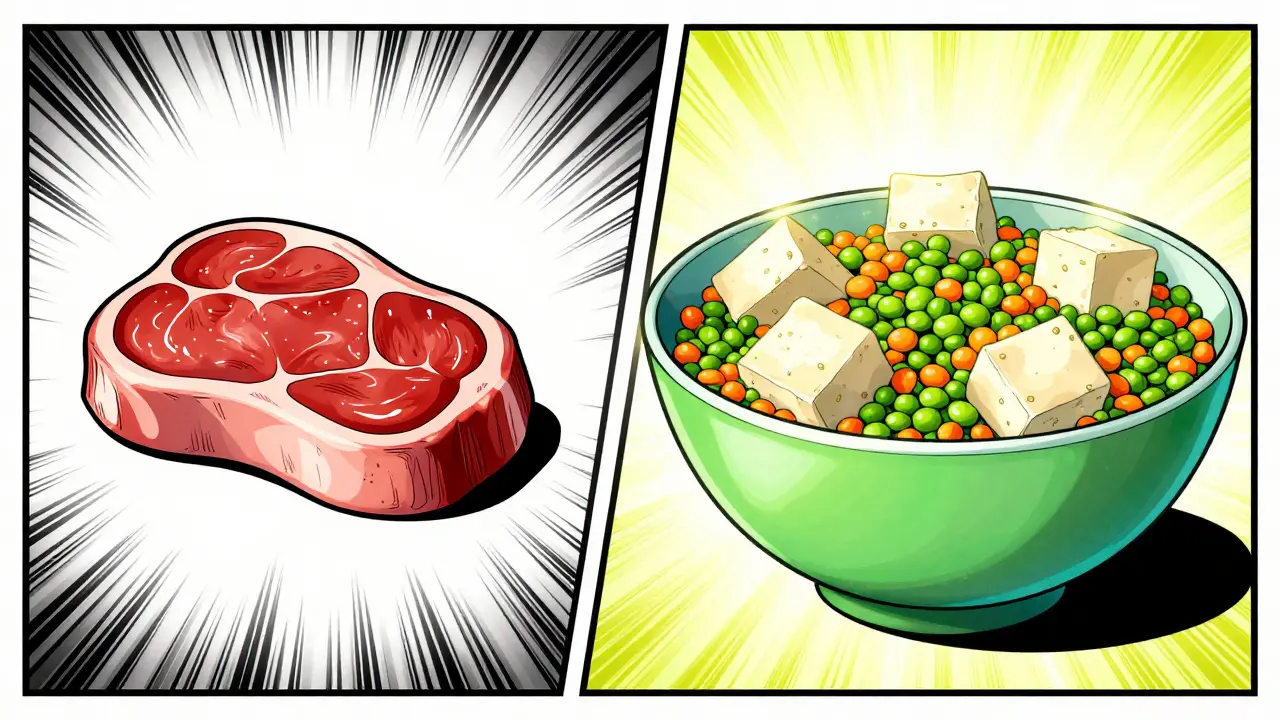
It isn't just about the number of grams; it's about where those grams come from. Animal proteins-especially red meats-tend to produce more urea and phosphorus, which are harder for the kidneys to process. They also create higher levels of advanced glycation end products (AGEs), which can trigger inflammation in the body.
On the flip side, Plant-Based Proteins like lentils, chickpeas, tofu, and nuts are generally gentler on the kidneys. Research indicates that plant proteins produce about 20-30% less urea and phosphate per gram than animal versions. In fact, swapping just 30% of your animal protein for plant sources has been linked to a 14% lower risk of disease progression.
But there's a catch. Plant proteins can be higher in potassium, which is a major concern for those in Stage 4 or 5 CKD. If your potassium levels are creeping up, you'll need to be careful with things like spinach or potatoes, even if they are "kidney-friendly" in terms of protein.
The Diabetic Dilemma
If you are managing both diabetes and kidney disease, the rules change slightly. The American Diabetes Association recommends a slightly higher protein target (0.8-0.9 g/kg). Why? Because people with diabetes need to maintain a very careful balance between protecting their kidneys and managing their blood sugar. Too strict a protein restriction can sometimes make glycemic control harder or increase the risk of malnutrition in patients who already struggle with appetite.
Real-World Challenges of Low-Protein Living
If you've tried a renal diet, you know that "0.6 g/kg" looks great on a chart but feels different on a plate. Many patients report persistent hunger and a feeling of weakness when they first cut back. It's a common struggle-shifting from a standard 100g-a-day protein diet to 45g can feel like a shock to the system. There's also the social side; it's hard to explain to your family why you can't have a second helping of roast beef at Sunday dinner.
The most successful people don't just "cut things out"; they replace them. Instead of focusing on what's forbidden, they use tools like renal-specific protein calculators or apps to track their daily totals. Using high-biological-value proteins (like eggs or soy) allows you to get the most "nutritional bang for your buck," meaning you can eat fewer grams while still getting the essential amino acids your heart and muscles need.

Practical Steps for Implementation
Mastering this isn't an overnight process. Most people find it takes about three to six months to really get the hang of a renal diet. Here are a few strategies to make it easier:
- Work with a Specialist: A renal dietitian is different from a general nutritionist. They understand the interplay between protein, potassium, and phosphorus.
- Prioritize Quality: Focus on proteins that contain all essential amino acids to prevent muscle wasting.
- Track Carefully: Use apps like MyFitnessPal but be wary of generic data; look for renal-specific databases if possible.
- Consider Keto Acid Analogues: In some cases, doctors prescribe supplements like Ketosteril. These provide the essential amino acids without the nitrogen waste, allowing you to keep protein very low without becoming malnourished.
Can I eat too little protein?
Yes. This is called Protein-Energy Wasting (PEW). If you restrict protein too aggressively without enough calories, your body will burn its own muscle for energy. This leads to weakness, frailty, and a higher risk of infection. This is why it's critical to monitor your albumin levels and work with a professional.
Why are plant proteins considered better for CKD?
Plant proteins produce fewer nitrogenous waste products (like urea) and generally contain more fiber and less saturated fat than animal proteins. This reduces the overall workload on the filtering units of the kidney and helps manage systemic inflammation.
How often should I check my protein targets?
Your targets should be reviewed every time your GFR changes significantly. Since kidney function can fluctuate based on medications, hydration, and disease progression, a quarterly check-in with your nephrologist or dietitian is usually recommended.
Do I need to avoid all meat?
Not necessarily. The goal is often "substitution" rather than "elimination." Moving toward a diet where 30-50% of your protein comes from plant sources is often sufficient to see renal benefits while still allowing for small portions of animal protein.
What happens if I ignore protein restrictions?
Ignoring these limits can lead to a faster accumulation of uremic toxins. This may manifest as increased swelling (edema), higher blood pressure, and a faster progression toward kidney failure, which may necessitate the start of dialysis sooner than if the diet were managed.
Next Steps and Troubleshooting
If you're feeling overwhelmed, start with one change. Instead of overhaulng your entire pantry, try replacing one animal protein meal per day with a plant-based alternative. If you notice extreme fatigue or muscle loss, don't just "push through it"-this is a sign that your protein or calorie intake is too low. Schedule a follow-up with your care team to adjust your targets. For those in Stage 4 or 5, the focus should shift heavily toward monitoring potassium and phosphorus alongside protein, as these electrolytes become much more dangerous as kidney function drops further.