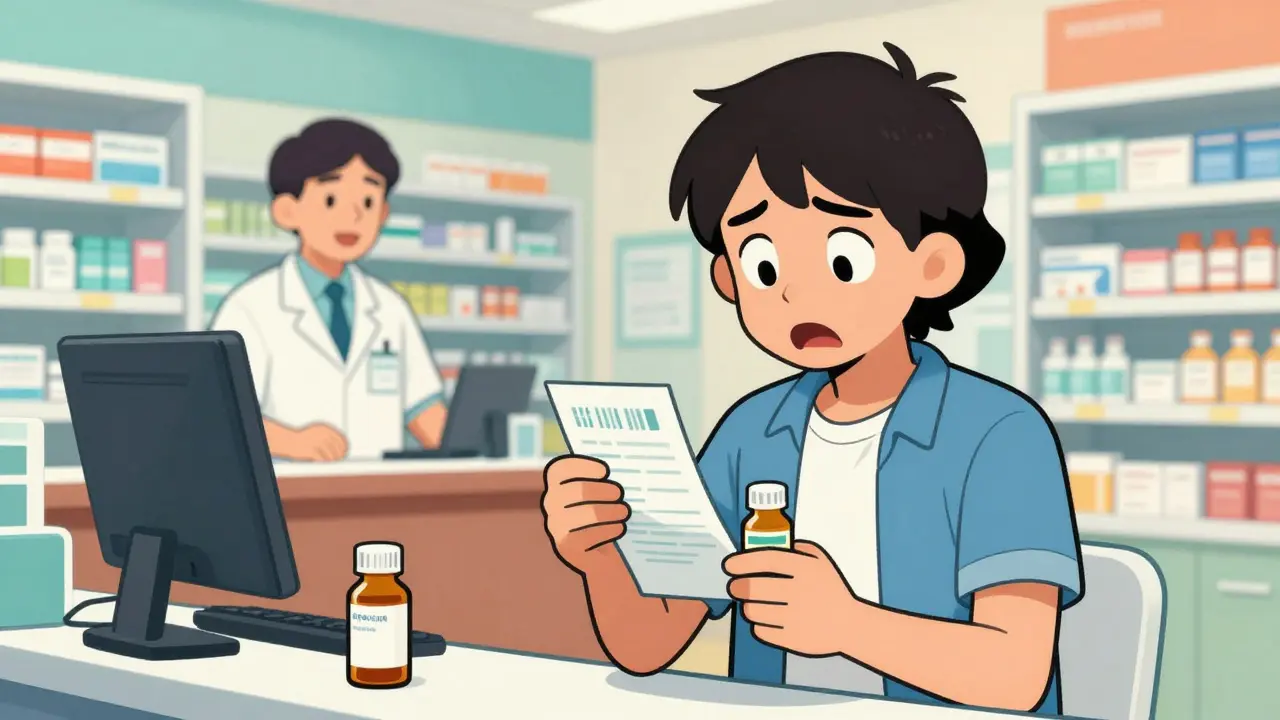
Imagine switching your health insurance to save a few bucks on your monthly premium, only to find out that the medication you take every morning now costs four times as much. It happens more often than you'd think. In fact, about 15% of Medicare beneficiaries run into coverage gaps for their usual generics just because of annual plan changes. When you're looking at a new plan, the monthly premium is just the surface. The real cost is hidden in the insurance formularies-the lists of drugs the plan covers and how much they charge you for each one.
| Plan Type | Typical Generic Copay | Deductible Impact | Best For... |
|---|---|---|---|
| Silver SPD Marketplace | $20 fixed | Often waived for Tier 1 | Predictable monthly costs |
| Medicare Part D | $0 - $10 | Annual base deductible applies | Seniors with multiple generics |
| HDHP (High Deductible) | Variable | Full deductible must be met first | People who rarely need meds |
| Employer-Sponsored | $5 - $10 | Varies by option (Basic vs Consumer) | Company-benefit seekers |
Decoding the Tier System
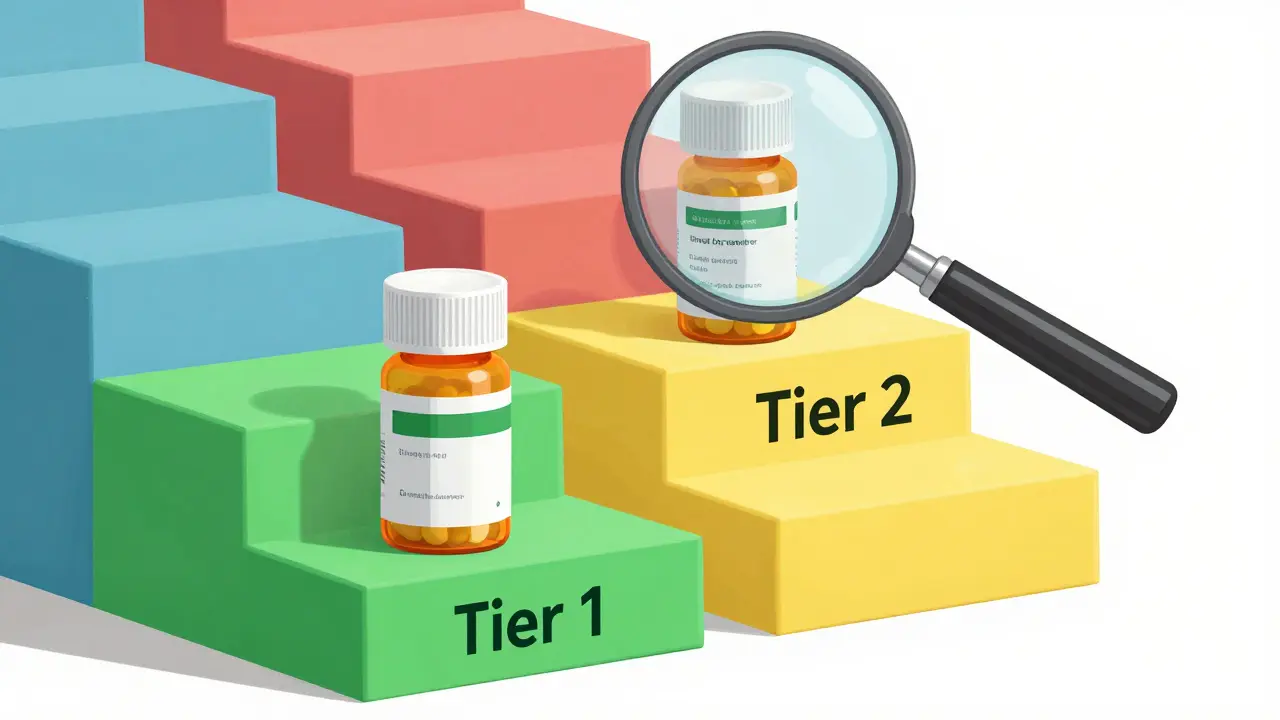
Most insurance plans don't just have one "drug price." Instead, they use a tiered structure to decide how much you pay. If you want to keep your costs low, you need to know exactly where your meds land. Tier 1 is the lowest cost level, reserved exclusively for generic medications. These are the cheapest options and usually have the lowest copayments, often between $3 and $20.
But here is the catch: not all generics are created equal in the eyes of an insurer. Some plans use a 5-tier system where generics are split into "preferred generics" (Tier 1) and "non-preferred generics" (Tier 2). A non-preferred generic might cost you $20 to $40 instead of $5, even if the active ingredient is identical. Why? It usually comes down to the insurer's contract with specific manufacturers. If your plan switches from Manufacturer A to Manufacturer B, your favorite generic could suddenly jump a tier, leaving you with a surprise bill at the pharmacy counter.
The Deductible Trap: Integrated vs. Separate
One of the biggest mistakes people make when switching plans is ignoring how the deductible interacts with their prescriptions. In many High-Deductible Health Plans (HDHPs), you have an "integrated deductible." This means you have to pay the full price for every single generic drug-potentially hundreds of dollars-until you hit your total medical deductible for the year. Only then does the insurance start paying the tiered copay.
On the flip side, some states and specific plans, like the Silver Standardized Plan Design (SPD), waive the deductible for Tier 1 generics. This is a huge win for anyone on a maintenance medication. According to data from the Kaiser Family Foundation, this single feature can save low-income users around $1,200 a year because they don't have to cough up a massive lump sum in January just to get their blood pressure or diabetes meds.
Hidden Details That Spike Your Costs
It is easy to search a formulary for "Metformin" and see it's covered. But the devil is in the details. Many people fail to check the specific formulation. For example, Metformin ER (extended release) might be Tier 1, while the immediate release version is Tier 2. If you switch plans and don't verify the exact version you use, you might find yourself paying a significantly higher price.
Then there is the pharmacy network. A drug might be a cheap Tier 1 generic, but if you take it to a "non-preferred" pharmacy, the cost can skyrocket by 300% to 400%. Always check if your local pharmacy is in the plan's "preferred network" before signing the paperwork. If you use mail-order services, check those rates too, as they often differ from retail pharmacy costs.
Step-by-Step: How to Verify Your Coverage
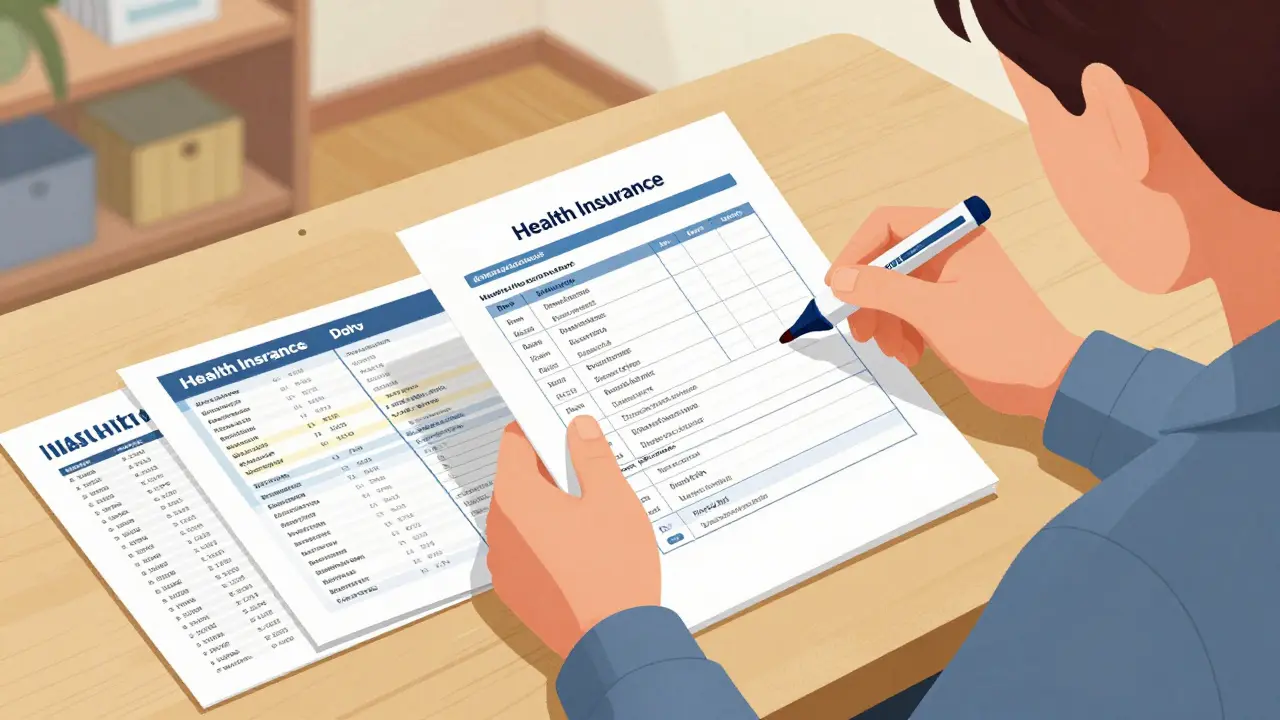
Don't trust a general summary brochure. To avoid surprise costs, follow this verification process:
- Get the Full Formulary: Request the complete, current drug list, not just the "top drugs" summary.
- Check Name and Formulation: Verify the exact drug name, dosage (e.g., 500mg vs 1000mg), and release type (ER vs IR).
- Identify the Tier: Confirm if the drug is Tier 1 (preferred) or Tier 2 (non-preferred).
- Calculate the Total Annual Cost: Add up your monthly copays and factor in whether you have to pay a deductible first.
- Verify the Pharmacy: Ensure your preferred pharmacy is listed as "preferred" by the insurer.
Spending an extra hour on this process can reduce unexpected prescription costs by over 70%. For someone with a complex medication regimen, this isn't just a chore-it's a financial necessity.
Regional Differences You Should Know
Depending on where you live, the rules can change drastically. For instance, residents in New York often benefit from state-mandated rules that waive deductibles for generics, meaning they get $0 copays right away. Meanwhile, in California, you might face a separate $85 outpatient drug deductible and then a 20% coinsurance. These geographic variations mean that a plan that looks great in one state might be a financial nightmare in another.
Recent laws are also helping. The Inflation Reduction Act is a federal law that limits out-of-pocket costs for specific drugs. For example, insulin copays are now capped at $35 monthly, and Medicare Part D is moving toward a $2,000 out-of-pocket maximum. These caps provide a safety net, but they don't replace the need to check your specific plan's tiers for other generic medications.
What happens if my generic drug isn't on the new plan's formulary?
If your medication isn't listed, you can request a "formulary exception." Your doctor must prove to the insurance company that the non-covered drug is medically necessary for you and that the covered alternatives aren't effective. If approved, the plan will cover the drug, though it may be at a higher tier cost.
Is a 'Preferred Generic' always cheaper than a 'Non-Preferred Generic'?
Almost always. Preferred generics (Tier 1) usually have a flat, low copay. Non-preferred generics (Tier 2) either have a higher flat copay or a coinsurance percentage, meaning you pay a portion of the drug's actual cost, which can be significantly more expensive.
How do I know if my plan has an integrated or separate deductible?
Check the "Summary of Benefits and Coverage" (SBC) document. Look for the section on prescription drug coverage. If it says "deductible applies" for generics, it's likely integrated. If it says "$0 deductible for Tier 1," you have a separate or waived deductible for those meds.
Why does the manufacturer of the generic drug matter?
Insurance companies sign contracts with specific pharmaceutical manufacturers. If they have a deal with Manufacturer A, they'll put that version in Tier 1. If you require a version made by Manufacturer B, the insurer may classify it as Tier 2 or not cover it at all, even if the chemical formula is the same.
Are there tools to help me compare drug costs across plans?
Yes. For Medicare, the official Medicare Plan Finder is the gold standard. For marketplace plans, Healthcare.gov provides a plan selector. Many insurers also have their own formulary search tools, though these are best used in combination with independent calculators to verify accuracy.
Next Steps for Your Plan Transition
If you're about to switch plans, start by listing every medication you take, including the exact dosage and the brand of the generic. Use a cost estimator tool to run those specific meds through your top three plan choices. If you find a gap, don't panic-contact your doctor immediately to see if there's a therapeutic alternative that is listed as a preferred generic in the new plan. This proactive approach can save you thousands of dollars and ensure your treatment isn't interrupted by a pharmacy rejection.



william wang on 18 April 2026, AT 08:16 AM
The bit about the preferred pharmacy network is a huge point. I've seen people get hit with massive bills just because they went to the pharmacy across the street instead of the corporate one the insurance company owns. It's always worth double-checking the 'preferred' list in the member portal!