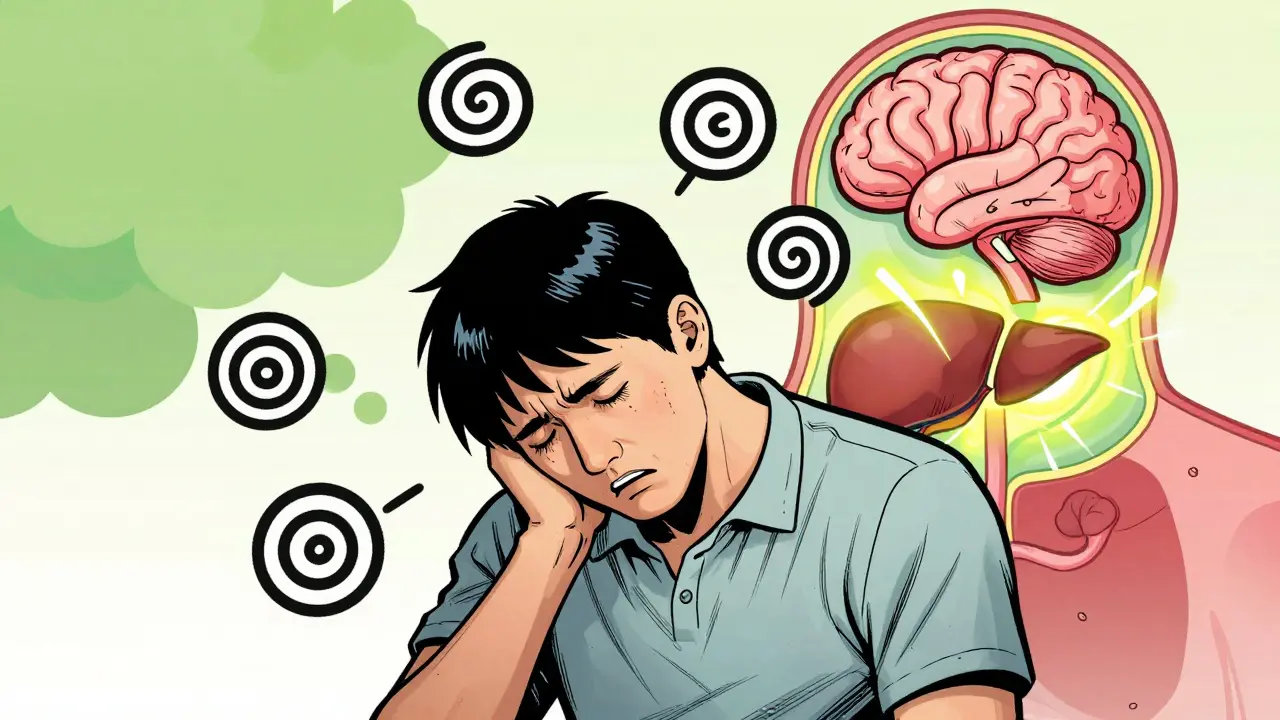
Learn why some medication side effects disappear while others stay. Explore the science of drug tolerance, receptor downregulation, and how your liver adapts.
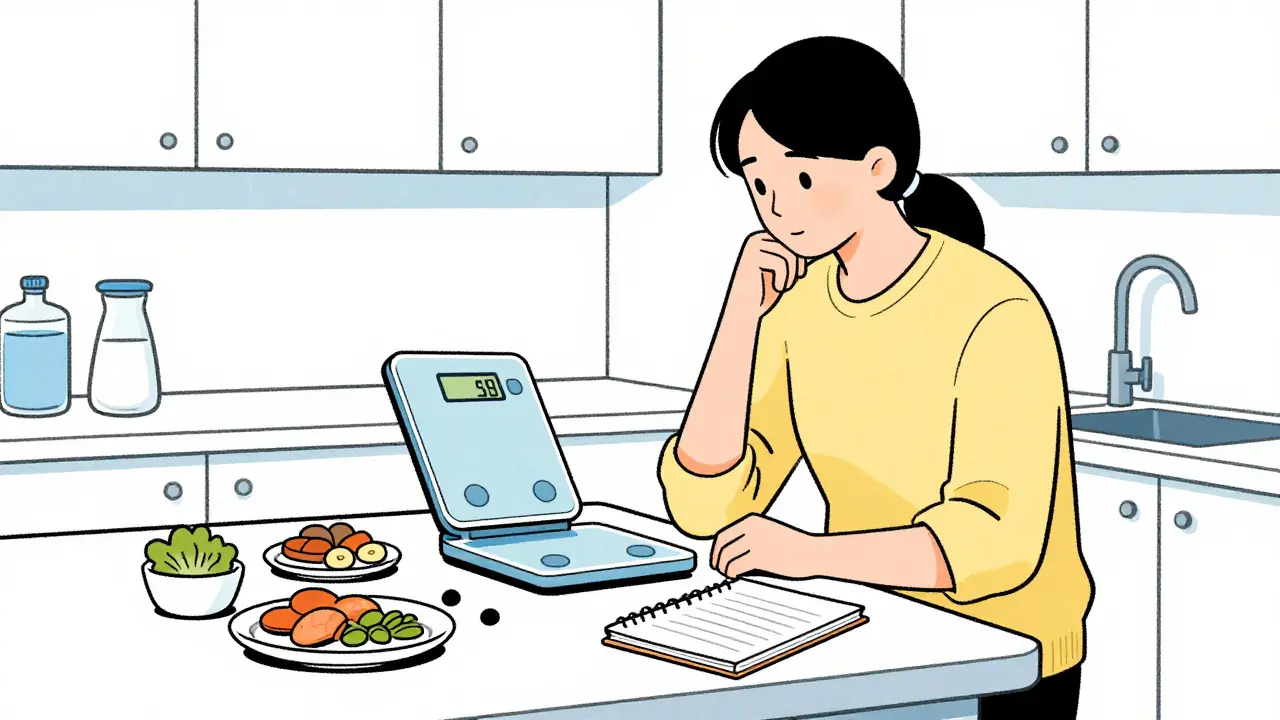
Learn the specific protein targets for each stage of Chronic Kidney Disease (CKD) to slow disease progression and delay dialysis using KDOQI guidelines.
Learn how certain medications trigger severe hyponatremia, leading to confusion and seizures. Discover the critical symptoms, emergency care protocols, and prevention tips.
Explore the legal clash between 180-day exclusivity and authorized generics. Understand how brand-name strategies impact generic profits and patient costs.
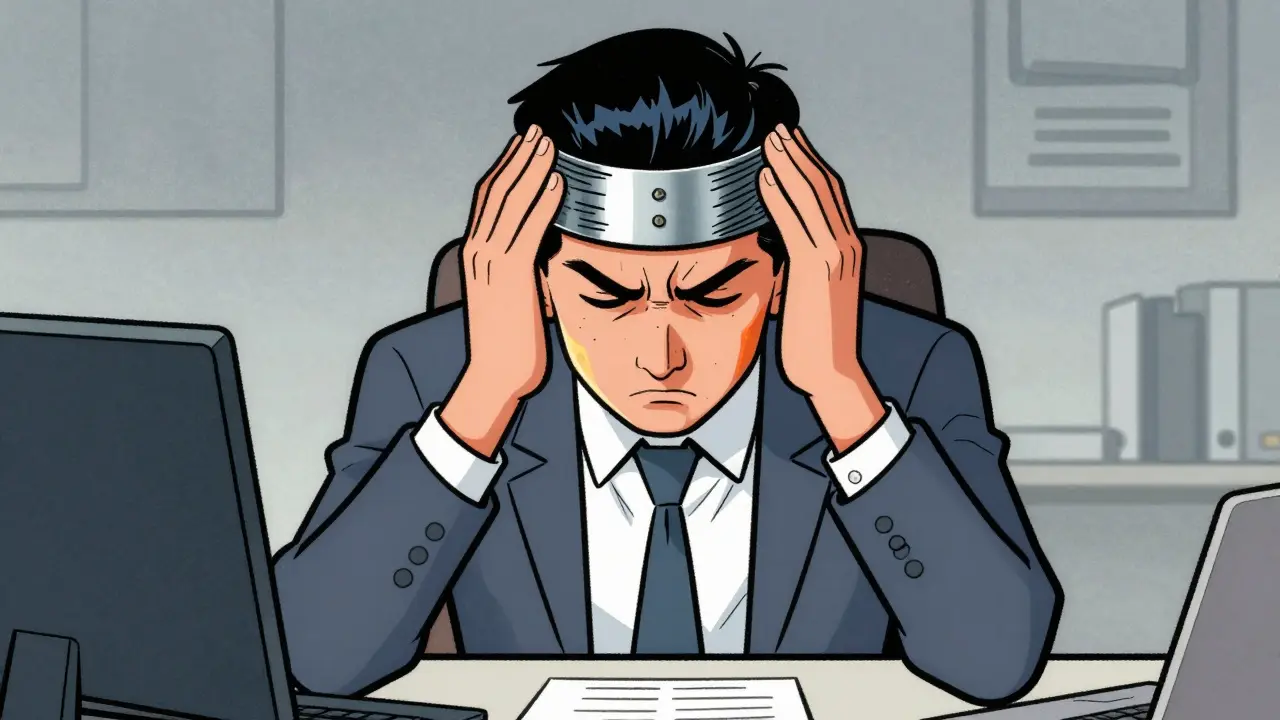
Learn how to distinguish between tension headaches, migraines, and cluster headaches. This guide covers symptoms, triggers, and treatments to help you get the right diagnosis.
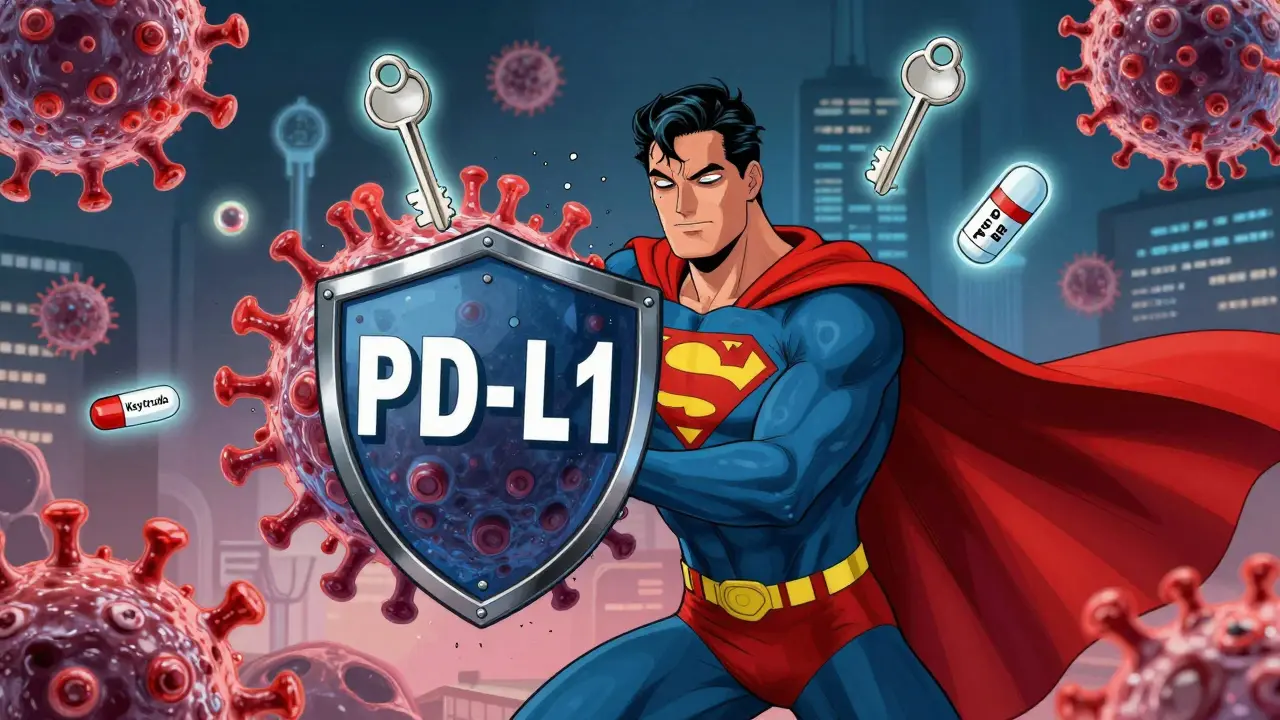
Checkpoint inhibitors and CAR-T cell therapy are transforming cancer care by using the immune system to fight tumors. Learn how they work, their differences, side effects, access issues, and why combining them is the next big step.
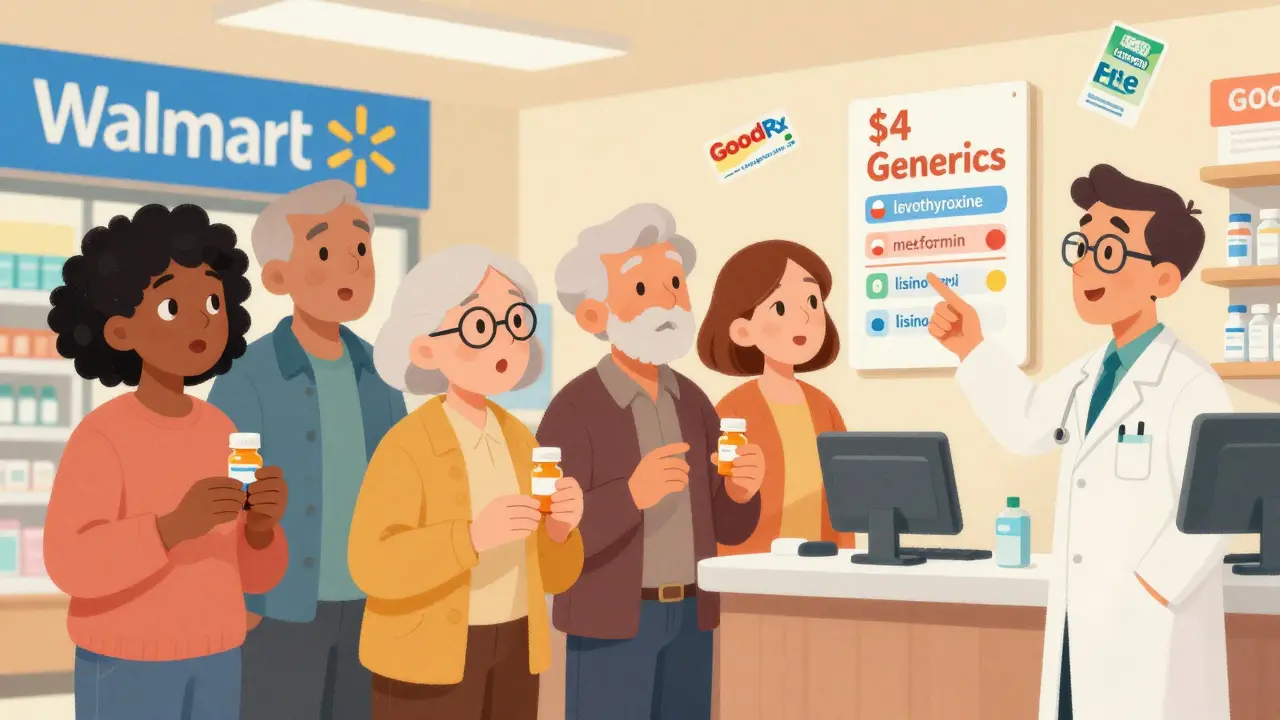
Even though generic drugs are cheaper, many people still struggle to afford them. Learn how to use pharmacy discounts, Medicare Extra Help, and new 2025 rules to cut your prescription costs in half.
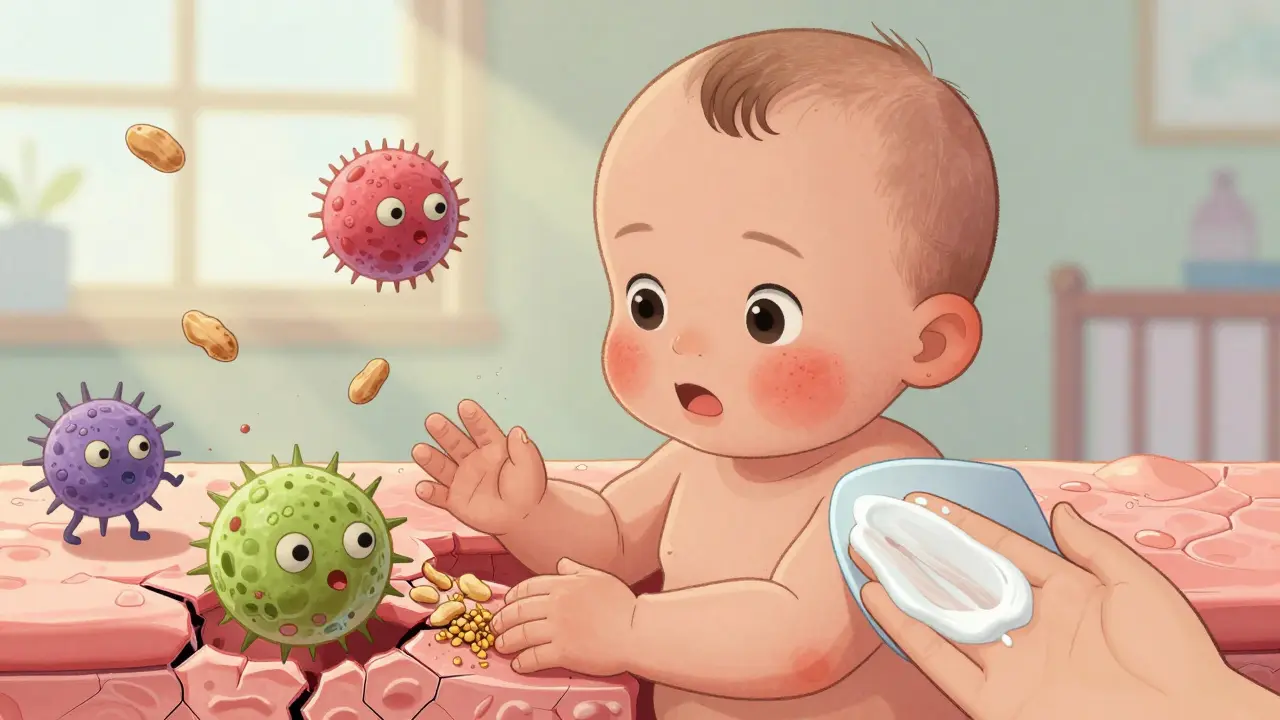
Eczema often starts the chain of allergic conditions known as the atopic march. New research shows skin barrier repair and early food introduction can prevent allergies - not delay them. Learn what actually works.
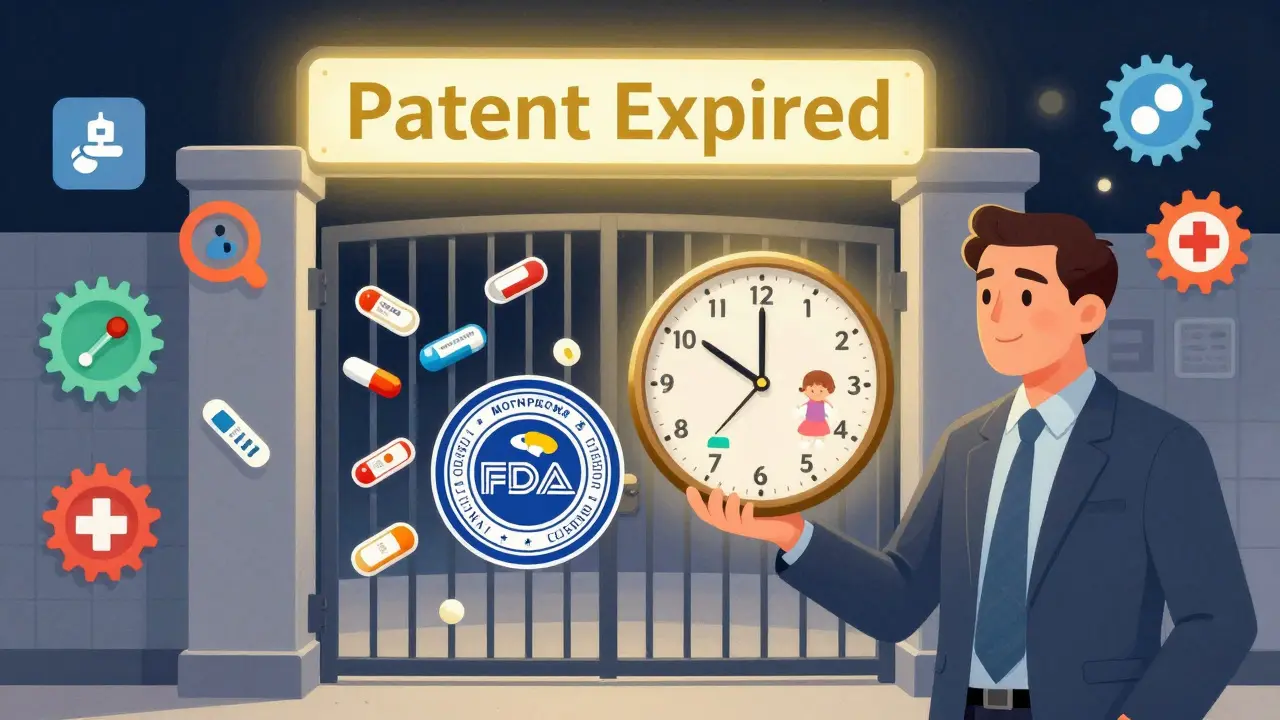
Pediatric exclusivity is a six-month FDA-imposed market delay that extends protection for drugs studied in children, even after patents expire. It blocks generics, applies to all formulations of the same active ingredient, and is a key tool in pharmaceutical lifecycle strategy.
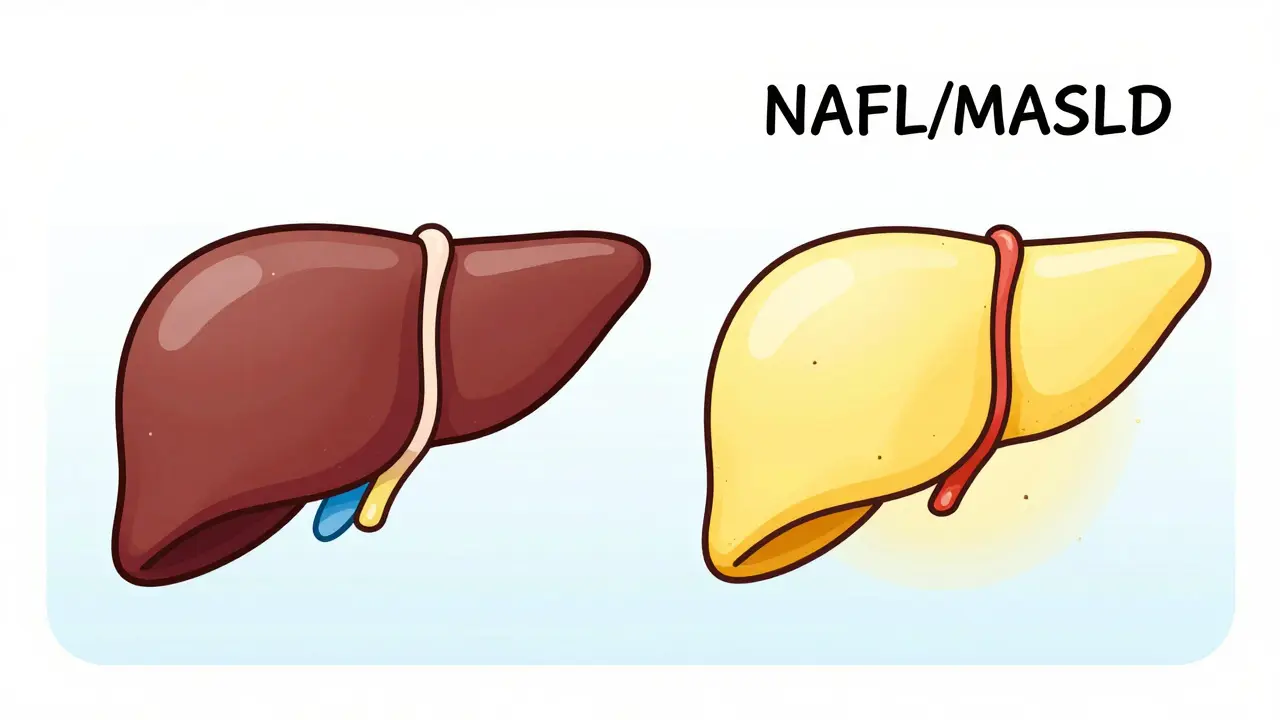
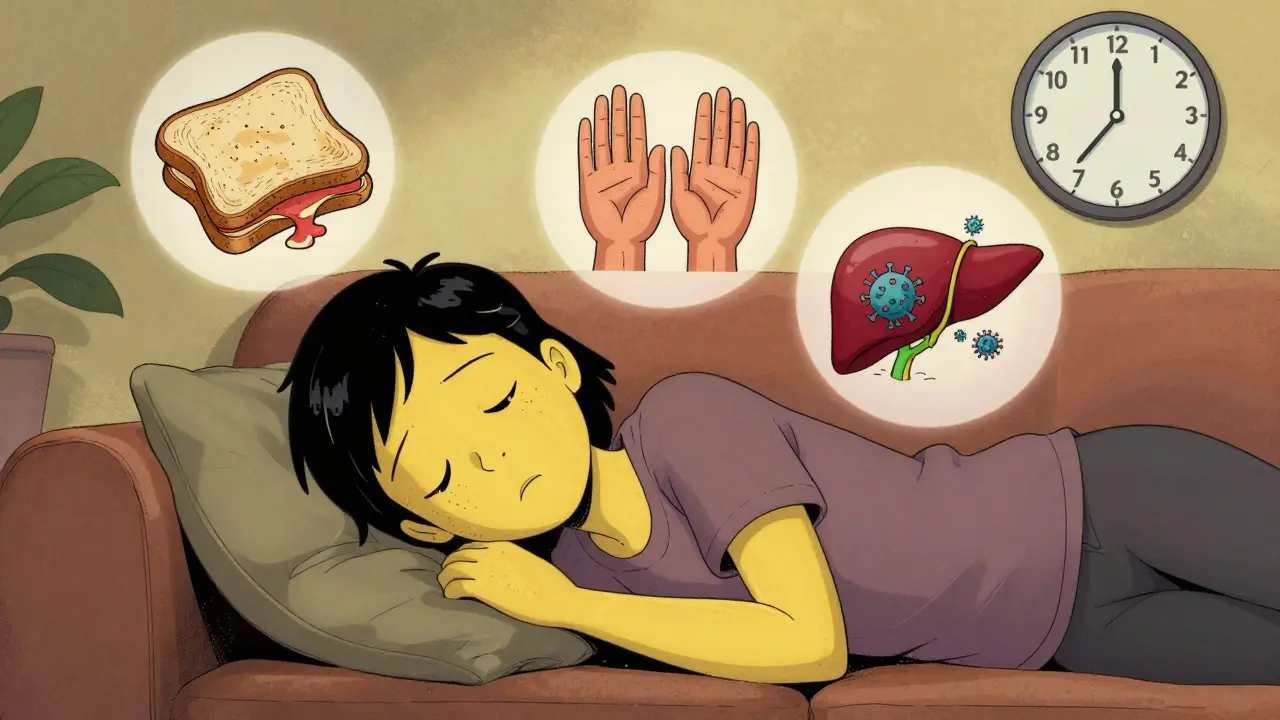
Hepatitis A is a contagious liver infection that resolves on its own, but recovery can take weeks to months. Learn how it spreads, how to prevent it with vaccination, and what to expect during recovery.