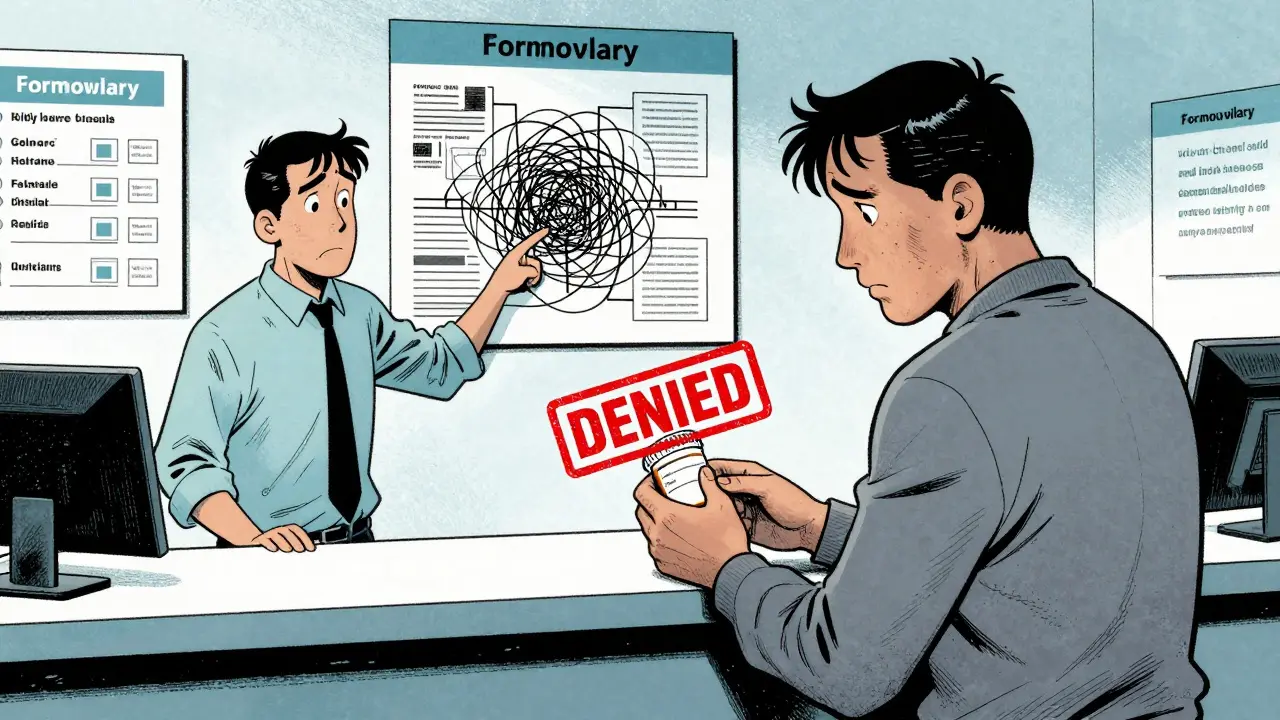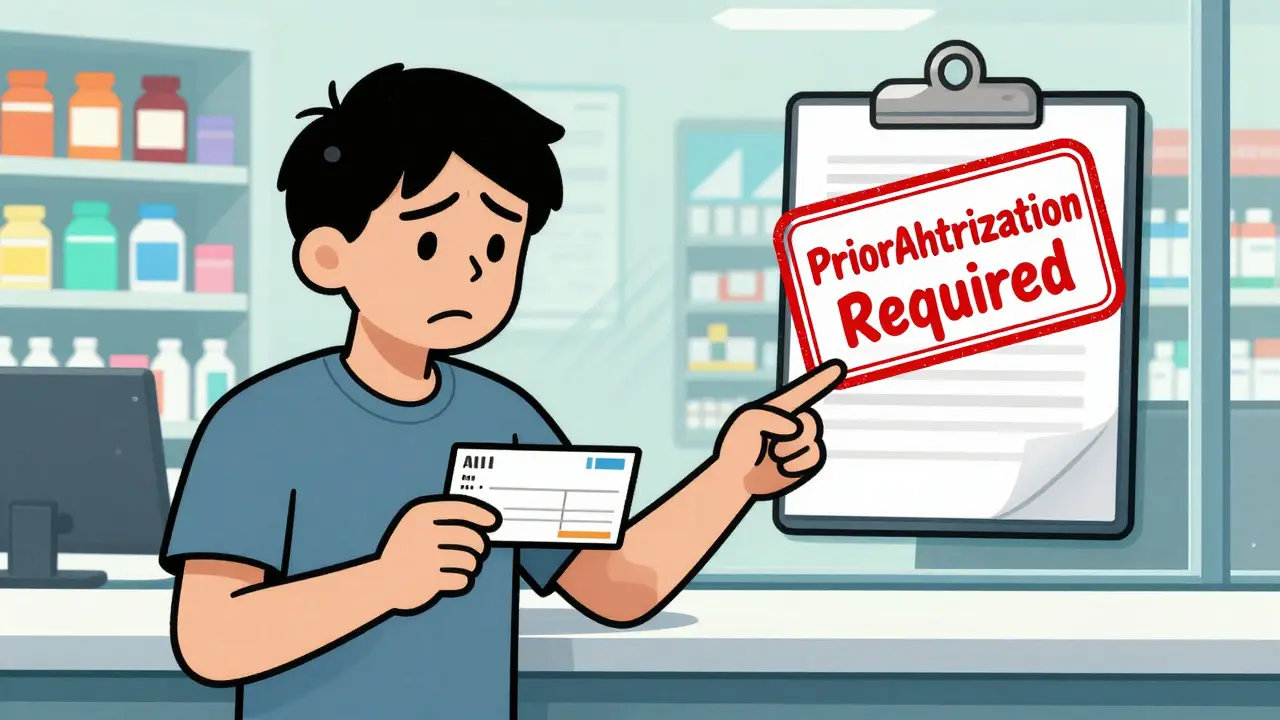
You walk into the pharmacy with a prescription for generic metformin, a standard, inexpensive medication for diabetes. You expect to pay a small copay and leave. Instead, the pharmacist hands you a bill for hundreds of dollars or tells you the drug isn't covered yet. The reason? Your insurance requires prior authorization.
This scenario feels wrong. We are taught that generics are the cheap, easy alternative to brand-name drugs. Yet, in 2026, requiring pre-approval for these cost-saving medications is becoming a common frustration for patients and doctors alike. This administrative hurdle, once reserved for expensive specialty drugs, is now creeping into everyday prescriptions.
The Shift: When Generics Need Permission
Prior authorization (PA) was created in the 1990s as a tool for health maintenance organizations (HMOs) to manage costs. Back then, it made sense to check if a patient really needed an expensive new drug before approving it. Today, the landscape has changed. According to data from IQVIA in 2023, generics make up about 90% of all prescriptions filled in the United States. They are the backbone of treatment.
Despite this, a 2024 analysis by the Generic Pharmaceutical Association shows that 15% to 20% of generic prescriptions now face prior authorization requirements. That is a massive jump from just 5% in 2018. It means that one in five times you pick up a generic drug, your doctor might have to fill out extra paperwork to prove you need it.
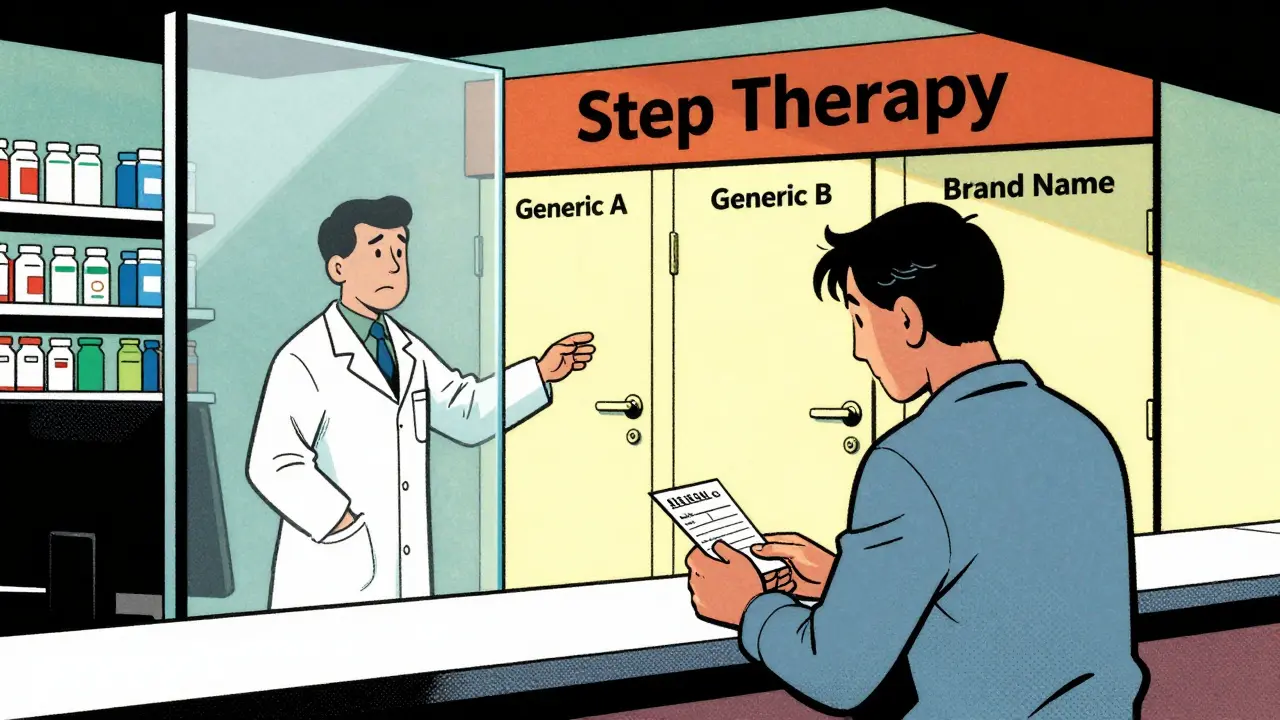
Why is this happening? It often comes down to how Pharmacy Benefit Managers (PBMs) structure formularies-the lists of drugs an insurance plan covers. Sometimes, insurers use PA to force doctors to try a specific generic within a therapeutic class before allowing others, even if those other generics are equally effective. Other times, it is part of a "step therapy" protocol, where the insurer wants to ensure you have failed on a cheaper option first, even if both options are already low-cost generics.
How the Process Works (and Why It Hurts)
When a doctor prescribes a generic that requires PA, they cannot simply send the script to the pharmacy. They must submit clinical documentation to the insurance provider or PBM. This proof usually includes:
- Specific ICD-10 diagnostic codes matching the medication's purpose.
- Evidence that previous treatments failed (if required by step therapy).
- Clinical notes explaining why standard alternatives aren't suitable.
This process is slow. Cigna states decisions typically take 5 to 10 business days. The Mayo Clinic notes it can range from a few days to several weeks. For a chronic condition like high blood pressure or diabetes, waiting two weeks for a basic medication is dangerous. A 2024 Kaiser Family Foundation case study highlighted a patient whose HbA1c levels spiked from 6.8% to 8.2% during a 14-day wait for generic metformin approval.
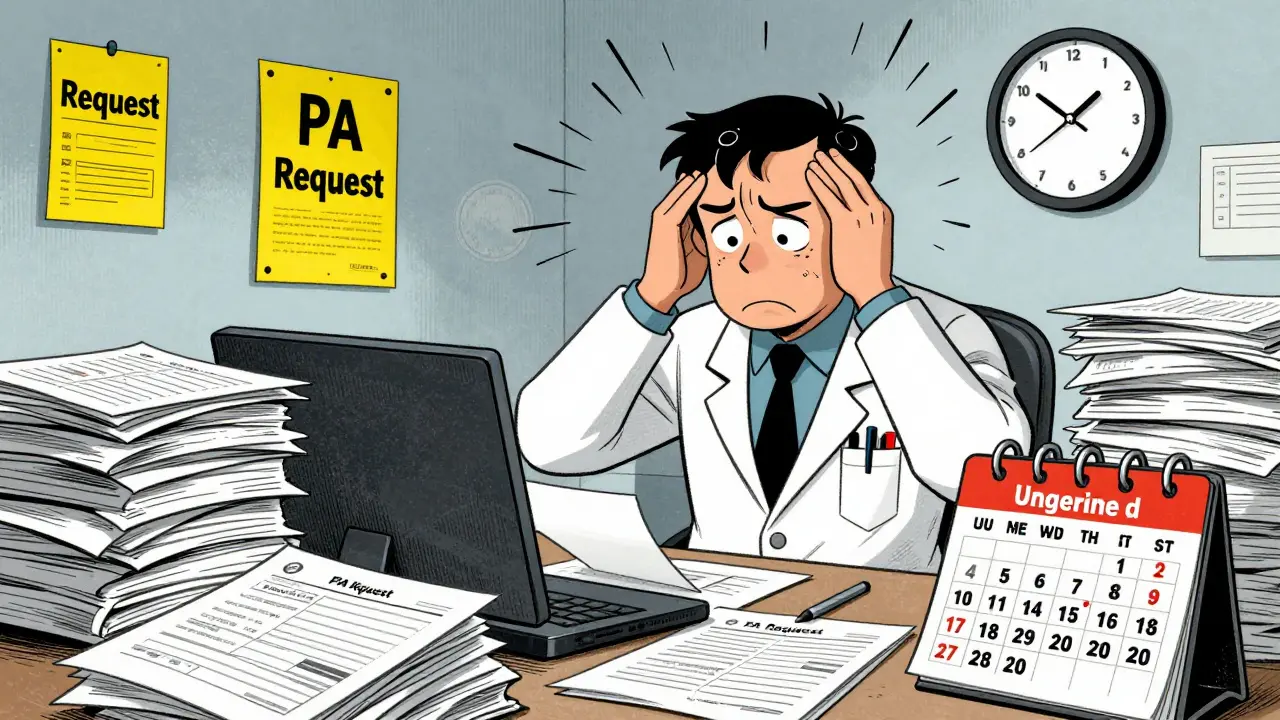
The burden falls heavily on medical staff. A 2022 survey by CoverMyMeds found that healthcare practices complete an average of 43 prior authorizations per physician each week. Of those, 38% involve generic medications. One healthcare provider on Reddit noted their clinic spends over 17 hours weekly just handling PAs for generics-time taken away from actual patient care.
Generics vs. Brand-Name Prior Authorization
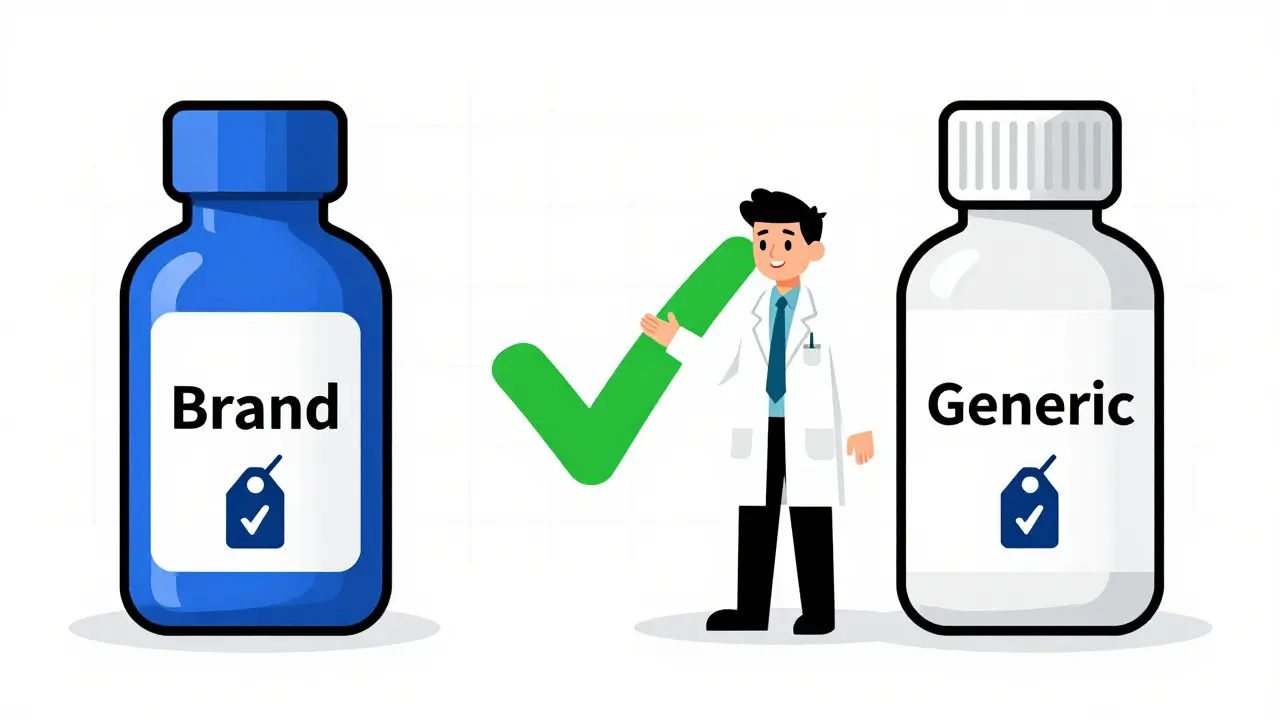
It helps to understand how this compares to brand-name drugs. Brand-name medications face PA requirements in about 75% of cases when a generic exists. The goal there is clear: steer patients to the cheaper option. But when the *generic* itself requires PA, the logic gets murkier.
| Medication Type | PA Frequency (Approx.) | Primary Reason for PA |
|---|---|---|
| Brand-Name Drugs | 75% | Steer to generic alternatives; control high costs. |
| Generic Medications | 15-20% | Step therapy; formulary restrictions; specific clinical protocols. |
| Specialty Generics | 35% | High complexity; narrow therapeutic index; safety monitoring. |
Major insurers apply these rules differently. In 2024, UnitedHealthcare mandated PA for 22% of generics in their formulary, while Humana sat at 18% and Aetna at 25%. Specialty generics, such as certain oncology drugs, face the highest hurdles, with 35% requiring pre-approval compared to only 12% for cardiovascular generics.
Expert Opinions: Who Is Right?
The healthcare industry is divided on this trend. Dr. Robert W. Dubois of the National Pharmaceutical Council argues that expanding PA to generics undermines their cost-saving purpose and creates unnecessary bureaucracy. He points out that generics are already the cheapest option; adding administrative layers just adds waste.
On the other side, Dr. Mark A. Doolittle from America's Health Insurance Plans (AHIP) defends the practice. He argues that appropriate utilization management ensures patients get the most clinically appropriate treatment. Insurers claim this prevents misuse and controls unsustainable cost growth across the system.
The American College of Physicians takes a middle ground. Their March 2024 position paper states that PA for generics should be limited to "narrowly defined clinical scenarios." They cite cases where delaying generic antihypertensives led to severe health outcomes, arguing that broad PA policies for common drugs are counterproductive.
Navigating the System: Tips for Patients and Providers
If you are stuck in this loop, here is how to move forward faster.
- Use Electronic Submission: Providers who use platforms like CoverMyMeds reduce approval time by 32% compared to fax or phone submissions. Ask your doctor’s office if they use ePA tools.
- Request Urgent Status: If your health is at risk, ask for an "urgent" prior authorization. Cigna processes these within 72 hours. However, be prepared to provide immediate clinical evidence of urgency.
- Appeal Denials: Do not accept a denial immediately. The Crohn's & Colitis Foundation reports that 67% of denials can be successfully appealed with additional clinical documentation. Keep records of all communications.
- Check State Laws: Some states are pushing back. California’s SB 1024, effective January 2025, prohibits PA for medications on its Essential Drug List, including 47 common generics. Check if your state has similar protections.
Once approved, the authorization typically lasts for 12 months, but this varies by insurer. Make sure you know the expiration date so you don’t face another delay next year.
What Changes Are Coming in 2026?
There is hope for simplification. On June 23, 2025, AHIP announced that major insurers-including CVS Health (Aetna), UnitedHealthcare, Cigna, Humana, Elevance Health, and Blue Cross Blue Shield-agreed to streamline PA processes. Implementation began in January 2026.
Key reforms include:
- Standardized electronic PA templates to reduce errors.
- Mandatory 72-hour response timelines for urgent requests.
- Elimination of PA requirements for 12 commonly prescribed generic classes, including ACE inhibitors, statins, and metformin.
Federal law also plays a role. The Improving Seniors' Timely Access to Care Act, signed in December 2023, mandates electronic PA for Medicare Advantage plans by 2026. The Congressional Budget Office projects a 40% reduction in PA requirements for generics by 2028 if current reform efforts continue.
While the system is improving, the transition period in 2026 may still feel bumpy. Stay informed, keep your records, and don’t hesitate to advocate for timely access to your medications.
Why does my insurance require prior authorization for a generic drug?
Insurers may require prior authorization for generics due to step therapy protocols (requiring you to try a specific drug first), formulary restrictions, or to ensure the diagnosis matches the medication. While less common than for brand names, it happens in 15-20% of generic cases to manage overall drug spending and clinical appropriateness.
How long does prior authorization for a generic take?
Standard prior authorizations typically take 5 to 10 business days, though some insurers may take up to a few weeks. Urgent requests, which require proof of immediate health risk, are often processed within 72 hours under new 2026 industry standards.
Can I appeal a denied prior authorization for a generic?
Yes. Approximately 67% of denials can be successfully appealed with additional clinical documentation. You or your doctor should submit a formal appeal letter detailing why the specific generic is medically necessary and why alternatives are unsuitable.
Which generic drugs are exempt from prior authorization in 2026?
Under agreements announced by AHIP in late 2025, major insurers have eliminated prior authorization for 12 common generic classes starting in 2026. These include ACE inhibitors, statins, and metformin. Additionally, some states like California have banned PA for essential generic drugs entirely.
Does prior authorization last forever once approved?
No. Most prior authorizations are valid for 12 months, but this duration is determined solely by your insurance carrier. You will need to renew the authorization annually or upon any change in dosage or prescribing physician.