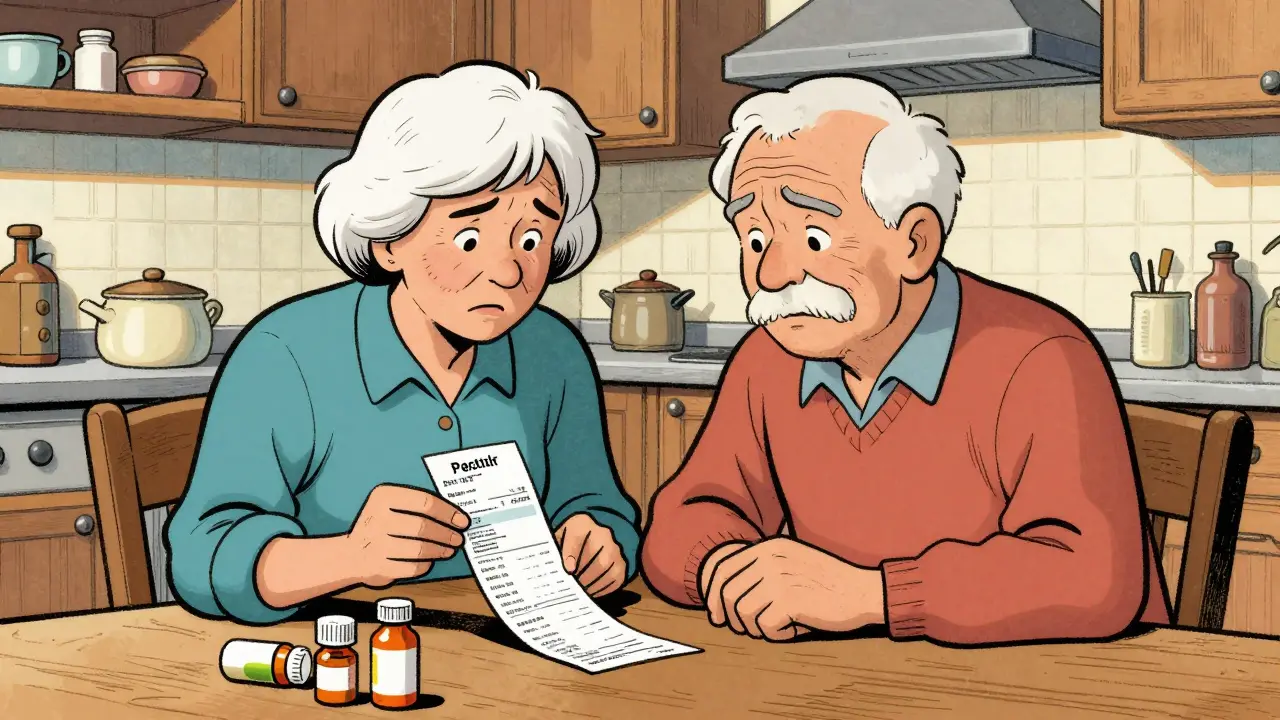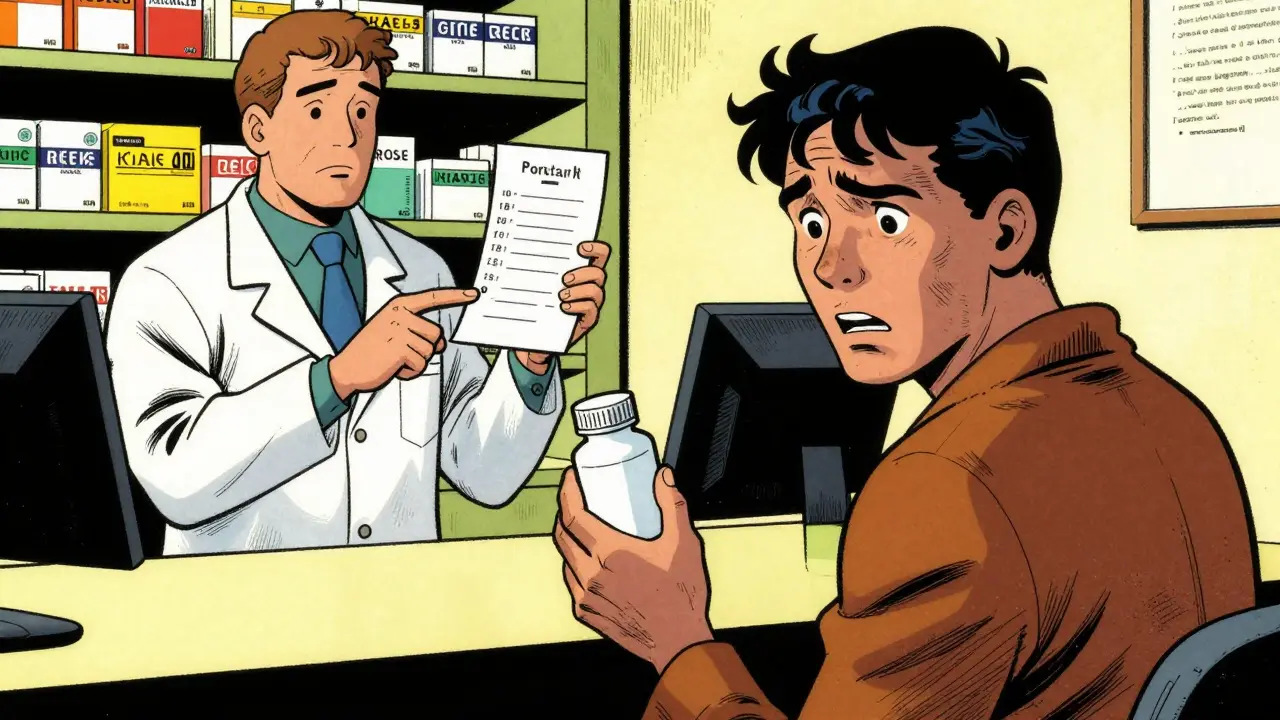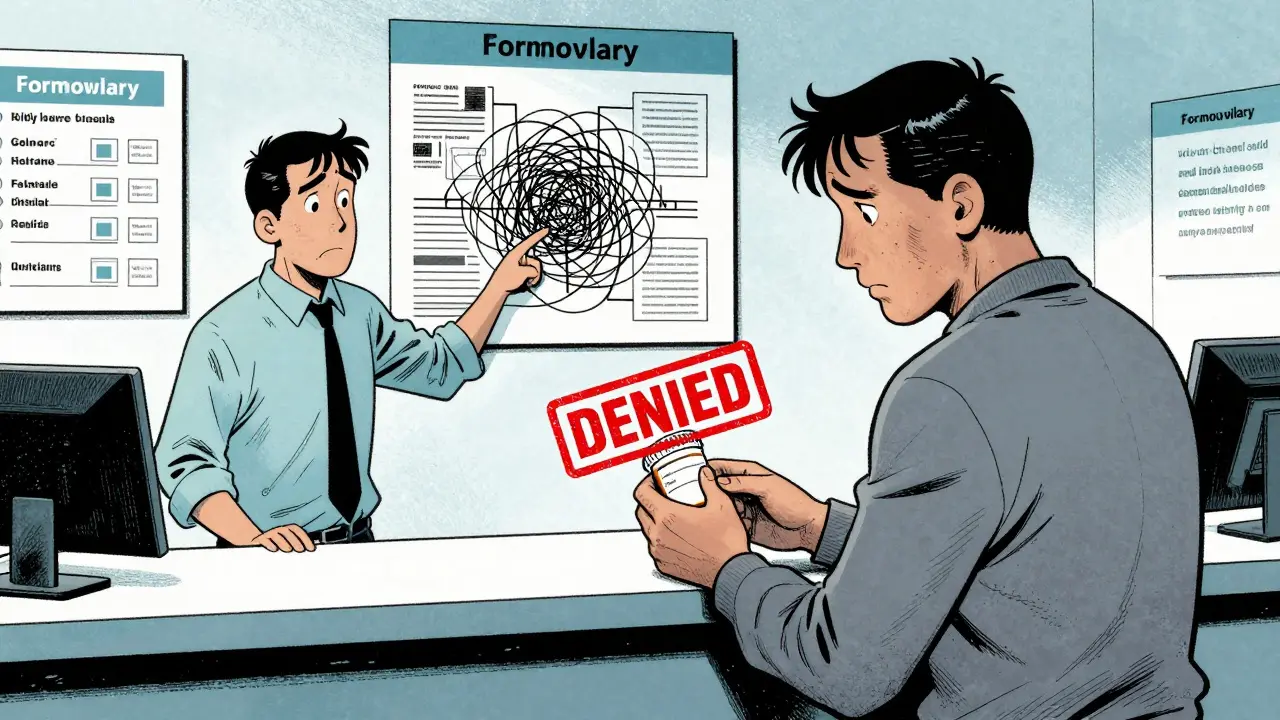
You fill your prescription, the pharmacy says it’s not covered, and you’re staring at a bill for hundreds of dollars. It feels like a glitch in the system-after all, it’s just a generic drug. Why would insurance refuse to pay for the cheapest version? The answer is often that the specific manufacturer or formulation isn’t on your plan’s preferred list, known as the formulary. This happens more often than you might think, especially with complex conditions.
When coverage is denied for a non-formulary generic, you aren't stuck paying full price unless you choose to be. Federal law requires health plans to have an exceptions process. In fact, data from the Bleeding Disorders Advocacy Alliance shows that 74% of properly documented exception requests are approved on the first try. The key is knowing exactly how to trigger that approval rather than accepting the initial "no."
Understanding Why Your Generic Was Denied
To fix the problem, you first need to understand why it happened. A formulary is simply the official list of drugs your insurance plan agrees to cover. While federal law (specifically the Medicare Prescription Drug, Improvement, and Modernization Act) requires plans to cover certain categories of drugs, they don't have to cover every single generic available. They pick their favorites based on cost negotiations with manufacturers.
If your doctor prescribes a generic from Manufacturer A, but your plan has a contract with Manufacturer B, your prescription gets flagged as "non-formulary." This doesn't mean the drug is bad; it means it's not the one the insurance company wants you to use right now. According to IQVIA Institute data, 12.7% of all generic prescriptions faced these restrictions in 2022, up significantly from previous years. This creates a gap where even safe, effective generics can become financial burdens if you don't navigate the paperwork correctly.
| Reason | What It Means | Likelihood of Appeal Success |
|---|---|---|
| Preferred Tier | The drug is covered, but only at a higher copay tier. | High (with clinical justification) |
| Manufacturer Exclusion | Your specific brand of generic isn't on the list. | Moderate (requires switching proof) |
| Step Therapy Failure | You didn't try the cheaper alternative first. | Low (unless medical necessity is proven) |
| Formulary Gap | The drug is completely excluded from the plan. | Variable (depends on state/federal rules) |
Step 1: Request a Formulary Exception
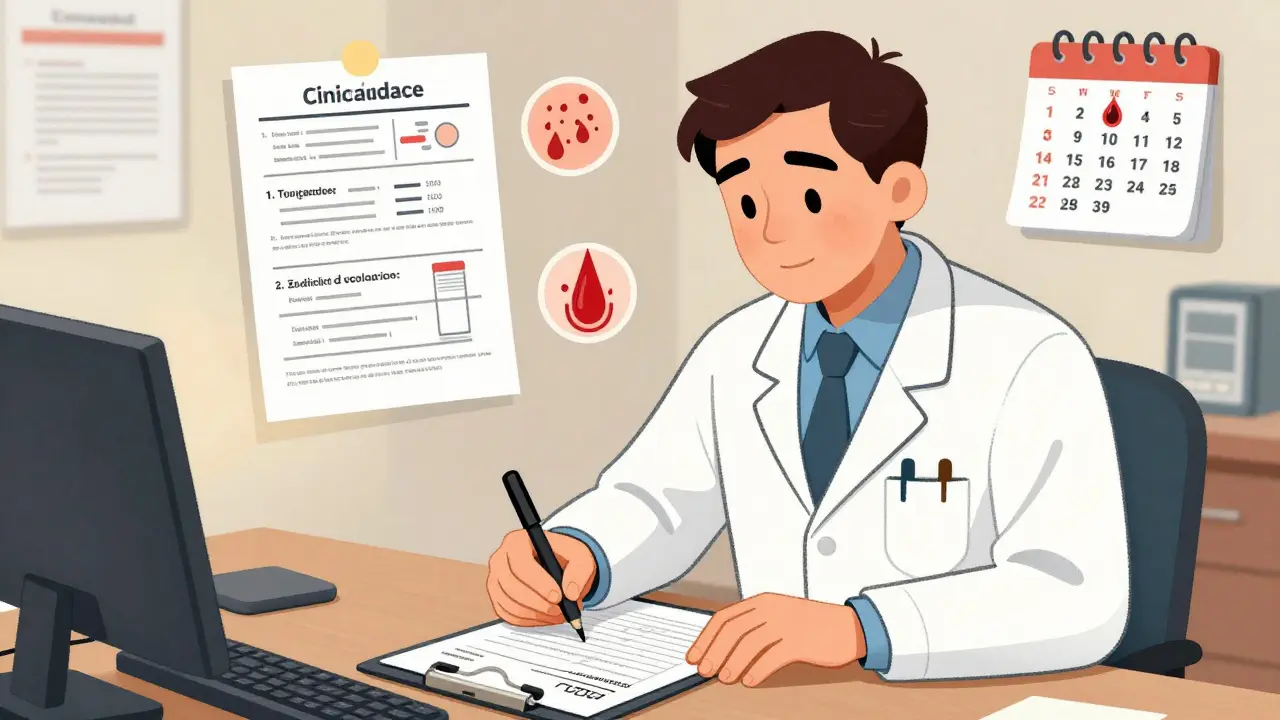
The first move is not to switch drugs blindly. If your current medication is working, fighting to keep it is usually worth it. You need to request a formulary exception. This is a formal ask to your insurer to cover the non-formulary drug because it is medically necessary.
Your doctor plays the biggest role here. Under CMS guidelines, the prescriber must submit a statement explaining why the formulary alternatives won't work. Vague statements like "this works better" get rejected. Successful appeals include specific clinical parameters. For example, Dr. Jane Sarasohn-Kahn, a healthcare economist, notes that successful requests cite specific metrics, such as hemoglobin A1c levels for diabetes or fecal calprotectin levels for inflammatory bowel disease (IBD).
Here is what your doctor needs to document:
- Ineffectiveness of Alternatives: List every covered alternative you have tried and why it failed. Include dates.
- Adverse Effects: Detail any negative side effects from other drugs. Did you develop a rash? Did your blood pressure spike?
- Clinical Necessity: Provide lab results or test scores showing improvement on the current non-formulary drug.
- Harm of Switching: Explain the risk of stopping or changing medications. For chronic conditions, stability is a medical argument.
According to the American Medical Association, properly completed forms take doctors about 23 minutes but have a much higher success rate than rushed, incomplete submissions. Make sure your doctor takes the time to fill this out thoroughly.
Step 2: Navigate the Timeline and Urgency
Time is critical when dealing with denials. Federal law mandates strict timelines for insurers. For standard requests, the plan must make a decision within 72 business hours. If you are in an urgent situation-where waiting could seriously harm your health-the deadline drops to 24 hours.
Many patients don't realize they can request an expedited review. If you are running low on medication and cannot wait three days, tell your doctor and the insurance company immediately that this is an urgent case. The CMS requires plans to provide emergency supplies covering 72 hours while the exception is reviewed. However, QuickRx Specialty Pharmacy reported that 37% of plans improperly deny these emergency supplies. If this happens, escalate it immediately by calling the member services number and explicitly citing the CMS requirement for emergency access during pending reviews.
Step 3: File an Internal Appeal if Denied
If the initial exception request is denied, do not give up. You have the right to an internal appeal. The Crohn's & Colitis Foundation reports that while 23% of initial requests are denied, 58% of those are successfully overturned through appeals. This means nearly six out of ten people who fight back win.
To file an internal appeal, you must act quickly. You generally have 60 days from the date of denial to submit your appeal. Gather additional evidence. Did you miss a lab result? Is there a new study supporting your treatment? Submit everything again. Keep copies of every letter and note the name of every representative you speak to.
During this stage, check if you can also request a tiering exception. Sometimes a drug is covered but placed in a high-cost tier. As Dr. Mark Parisi, Chief Medical Officer at MMIT, warns, many providers forget they can request tier exceptions separately. Even if the drug is on the formulary, getting it moved to a lower cost-sharing tier can save you hundreds of dollars.
Step 4: Seek Independent External Review
If the internal appeal fails, you still have one major card left to play: independent external review. This is a review by an organization outside of your insurance company. They look at the medical facts without bias toward the insurer's bottom line.
Federal law guarantees you access to this review if the plan denies your request. The timeline for external review is typically faster than internal appeals. Once you request it, the insurer must stop denying your claim while the review is pending. This is crucial because it prevents them from cutting off your supply indefinitely. The decision from the external reviewer is binding, meaning the insurance company must follow it.
Financial Impact and Workarounds
While you fight the system, the financial strain is real. SmithRx data shows patients typically pay 3.7 times more for non-formulary generics compared to formulary ones. The average cost difference is over $287 per month. This leads to dangerous behavior: KFF Health Tracking Polls found that 38% of patients skip doses or reduce frequency when facing these denials.
Do not skip doses. Instead, explore temporary workarounds:
- Patient Assistance Programs: Many generic manufacturers have programs to help uninsured or underinsured patients. Check the drug maker's website.
- Discount Cards: Services like GoodRx can lower cash prices, though they don't count toward your deductible.
- Community Health Centers: These centers often have sliding-scale fees for medications.
Remember, these are stopgaps. Your goal remains getting the insurance to cover the drug so it counts toward your out-of-pocket maximum.
State-Specific Protections
Your location matters. While federal laws set the baseline, many states have stronger protections. Twenty-eight states have implemented exceptions requirements that exceed federal minimums. For example, California requires a 48-hour review standard for urgent cases, which is stricter than some federal interpretations. New York has proposed legislation to mandate a 24-hour standard review for all non-urgent cases.
If you live in a state with strong patient protection laws, mention this in your appeal. Citing state-specific regulations can pressure insurers to approve your request faster. Check with your state’s Department of Insurance to see what extra rights you hold.
Pro Tips for Success
Navigating this bureaucracy is exhausting, but small details make big differences. Here are practical tips from experts and patient advocates:
- Be Specific: Avoid generalities. Use numbers, dates, and lab values. "My A1c dropped from 9.2 to 6.8 on this specific formulation" is powerful evidence.
- Document Everything: Keep a log of calls, emails, and letters. Note the time, date, and name of the agent.
- Use Templates: Organizations like the Crohn's & Colitis Foundation offer free templates for physicians to write exception letters. Ask your doctor if they have one.
- Ask for Expedited Review: Even if it’s not life-threatening, frame delays as harmful to your quality of life or work ability to push for faster processing.
- Know Your Rights: Read the Summary of Benefits and Coverage provided by your insurer. It outlines your appeal rights clearly.
The system is designed to be difficult, but it is not unbeatable. With the right documentation and persistence, most patients can secure coverage for their necessary medications.
What is a non-formulary generic drug?
A non-formulary generic drug is a generic medication that is not included on your insurance plan's official list of covered drugs (the formulary). Even though it is a generic version of a prescribed drug, your insurer may refuse to cover it or charge a higher copay because they prefer a different manufacturer or formulation.
How long does it take to get a formulary exception approved?
For standard requests, federal law requires insurance plans to make a decision within 72 business hours. For urgent cases, where delay could harm your health, the decision must be made within 24 hours. If denied, you have 60 days to file an internal appeal.
Can I appeal if my generic drug is denied?
Yes. You have the right to request a formulary exception, followed by an internal appeal if that is denied. If the internal appeal fails, you can request an independent external review, which is binding on the insurance company.
What should my doctor include in the exception request?
Your doctor should provide specific clinical reasons why formulary alternatives will not work or cause adverse effects. This includes listing failed therapies with dates, providing lab results showing efficacy of the current drug, and explaining the medical risks of switching medications.
Do I have to pay while the appeal is pending?
If you request an expedited review for an urgent case, the insurer must provide emergency supplies (usually 72 hours) while reviewing. For external reviews, the insurer must continue coverage for the drug while the review is pending, preventing gaps in treatment.
Are there state laws that help with formulary denials?
Yes. Twenty-eight states have regulations that are stricter than federal minimums. For example, California has specific timelines for urgent reviews. Check with your state's Department of Insurance to see if additional protections apply to your case.
What is the success rate of appealing non-formulary denials?
Success rates vary, but data suggests that 74% of properly documented exception requests are approved initially. Of those that are denied, approximately 58% are successfully overturned through the appeals process, making persistence highly rewarding.
Can I request a tiering exception instead?
Yes. If the drug is on the formulary but in a high-cost tier, you can request a tiering exception to lower your copay. This is separate from a formulary exception and can be a useful strategy if the drug is covered but too expensive at its current tier.
What if I run out of medication during the review period?
CMS guidelines require plans to provide emergency supplies covering 72 hours during the review. If the plan refuses, contact them immediately and cite the federal requirement for emergency access. You can also seek assistance from patient advocacy groups or community health centers for temporary relief.
Does Medicare Part D handle non-formulary generics differently?
Medicare Part D plans follow federal guidelines for exceptions but may have varying approval rates. Standalone Part D plans had a 71% approval rate for exceptions in 2022, compared to 63% for Medicare Advantage plans. The process is similar, but you must use Medicare-specific appeal forms and timelines.