Imagine the sudden, sharp sting every time you use the bathroom. You feel pressure in your lower abdomen, maybe even a low-grade fever, and you know that familiar, unwelcome sensation is back. For millions of people, this is the reality of a urinary tract infection (UTI). It is not just an inconvenience; it is the second most common bacterial infection worldwide, affecting roughly 150 million people annually according to the World Health Organization. While often dismissed as a minor nuisance, untreated infections can spiral into serious kidney issues or sepsis. Understanding exactly what triggers these infections, which antibiotics actually work, and how to stop them from returning is crucial for reclaiming your comfort and health.
Why Do Urinary Tract Infections Happen?
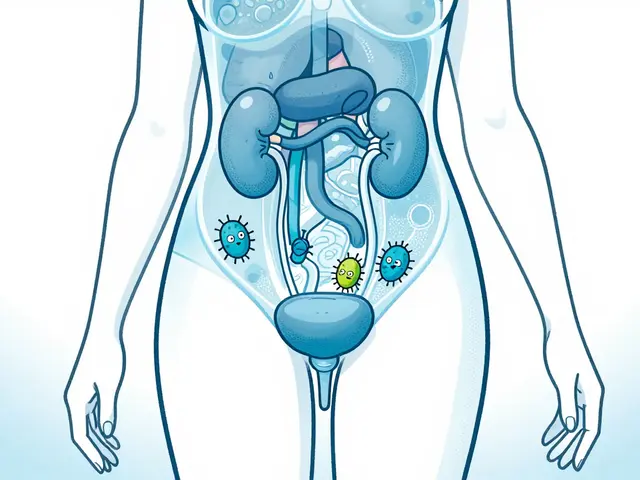
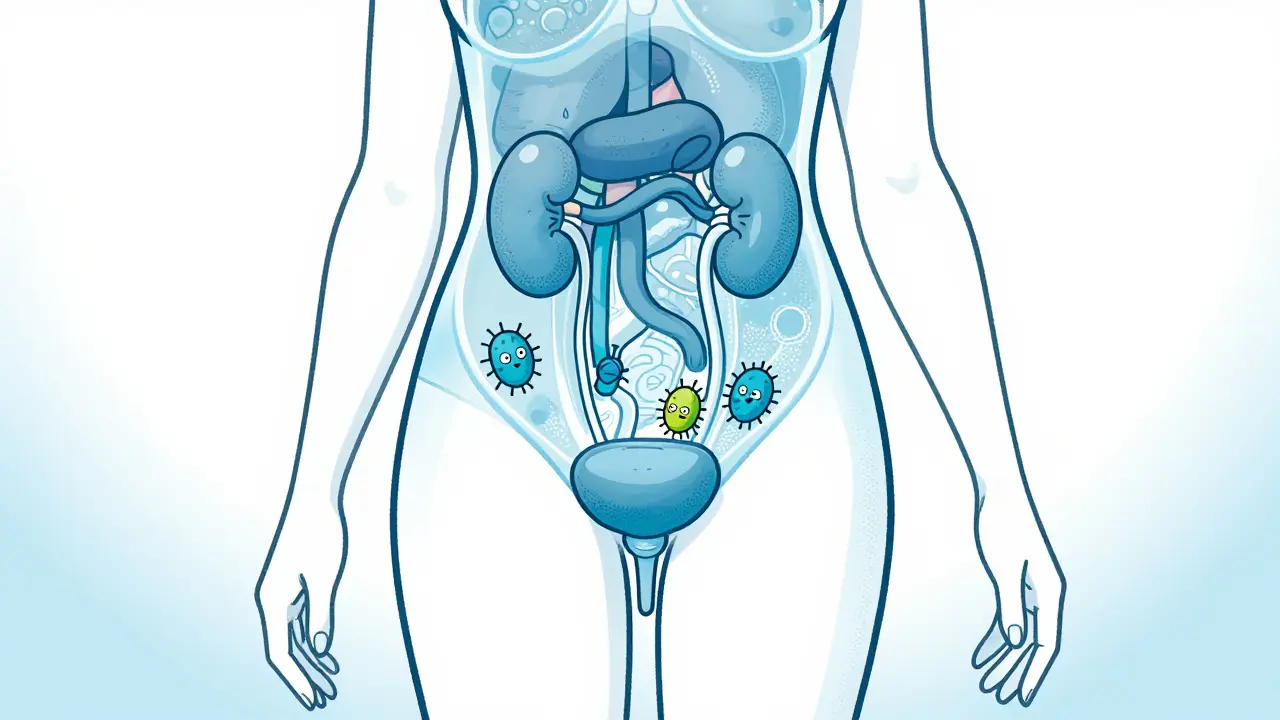
To understand why UTIs occur, you first need to look at the anatomy of the urinary system. This system includes the kidneys, ureters, bladder, and urethra. Its job is to filter waste from the blood and expel it as urine. The trouble starts when bacteria enter this sterile environment. The vast majority of these invaders come from your own gut. Specifically, Escherichia coli (E. coli) is responsible for 75-95% of uncomplicated cases. Other culprits include Klebsiella, Proteus mirabilis, and Enterococcus faecalis.
So why do some people get infected while others don’t? Anatomy plays a massive role. Women are far more susceptible than men-about 30 times more likely, in fact. This isn't due to hygiene habits but rather biology. The female urethra is significantly shorter, measuring only about 4 centimeters compared to 20 centimeters in men. This short distance makes it incredibly easy for bacteria to travel from the outside world directly into the bladder. Additionally, the proximity of the urethra to the anus means that bacteria have a very short journey to make if proper wiping techniques aren't followed.
Other factors increase your risk. Sexual intercourse can push bacteria into the urethra, which is why UTIs are sometimes colloquially called "honeymoon cystitis." Using spermicides like nonoxynol-9 alters the natural vaginal flora, increasing risk by 2.5-fold. Postmenopausal women face higher risks due to changes in estrogen levels, which affect the protective tissues of the urinary tract. Men with an enlarged prostate may also struggle to empty their bladders completely, leaving stagnant urine where bacteria can thrive.
Recognizing the Symptoms Early
Catching a UTI early prevents complications. The symptoms vary depending on whether the infection is in the lower tract (bladder and urethra) or has moved up to the upper tract (kidneys).
Lower UTIs, known as cystitis, present with distinct signs:
- Burning during urination (dysuria): Reported by 92% of patients, this is often the first red flag.
- Frequent urge to urinate: You may feel like you need to go every few minutes, even if little comes out.
- Urgency: A sudden, uncontrollable need to empty your bladder.
- Suprapubic pain: Discomfort or pressure just above the pubic bone.
- Hematuria: Blood in the urine, visible as pink, red, or cola-colored fluid, occurs in about 25% of cases.
If the infection spreads to the kidneys-a condition called pyelonephritis-the situation becomes urgent. Watch for these severe symptoms:
- Flank pain: Deep ache in your back or side, below the ribs.
- High fever: Typically above 38.3°C (101°F).
- Nausea and vomiting: Signs that your body is fighting a systemic infection.
- Chills and shivering.
If you experience kidney symptoms, seek medical attention immediately. Kidney infections can lead to permanent damage or sepsis if left untreated.
Antibiotic Treatments: What Works Best?
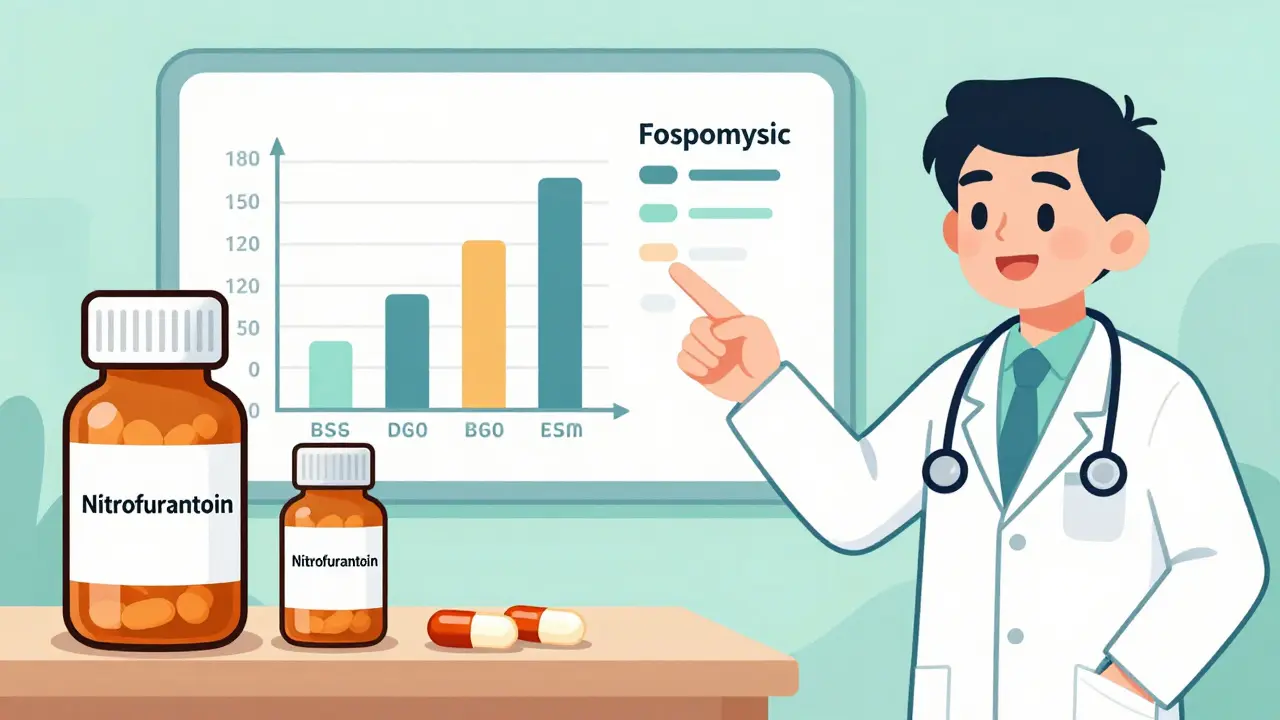
The cornerstone of UTI treatment is antibiotics. However, not all antibiotics are created equal. Choosing the right one depends on local resistance patterns, your medical history, and the severity of the infection. Overprescribing broad-spectrum antibiotics contributes to antimicrobial resistance, making future infections harder to treat.
| Medication | Typical Dosage/Duration | Efficacy | Best For |
|---|---|---|---|
| Nitrofurantoin | 100 mg twice daily for 5 days | ~90% | Uncomplicated lower UTIs |
| Trimethoprim-sulfamethoxazole (Bactrim) | 160/800 mg twice daily for 3 days | ~85% (if resistance <20%) | Uncomplicated lower UTIs |
| Fosfomycin | 3g single dose | ~86% | Convenience-focused treatment |
| Ciprofloxacin | 500 mg twice daily for 7-14 days | High | Complicated UTIs or Pyelonephritis |
Nitrofurantoin is currently the gold standard for uncomplicated cystitis in many regions, including the US and UK, because E. coli resistance to it remains low. It concentrates well in the urine but does not penetrate kidney tissue effectively, so it must never be used for pyelonephritis.
Trimethoprim-sulfamethoxazole was once the go-to drug, but resistance rates in North America now exceed 30%. Doctors often check local resistance data before prescribing it. If your area has high resistance, this drug might fail, leading to prolonged illness.
Fosfomycin offers the convenience of a single 3-gram sachet mixed with water. It’s particularly popular in Europe and useful for patients who struggle with multi-day regimens. However, it can be more expensive and slightly less effective than nitrofurantoin in some studies.
For complicated infections or kidney involvement, doctors turn to stronger agents like ciprofloxacin (a fluoroquinolone) or intravenous ceftriaxone. These require longer courses (7-14 days) and carry higher risks of side effects, such as tendon damage or yeast infections. Always finish the full course prescribed, even if you feel better after two days, to ensure all bacteria are eradicated.
Preventing Recurrent Infections
If you find yourself visiting the doctor for UTIs more than three times a year, you have recurrent UTIs. This affects 20-30% of women aged 20-40. Prevention requires a multi-pronged approach combining behavioral changes, supplements, and sometimes medication.
Behavioral Modifications
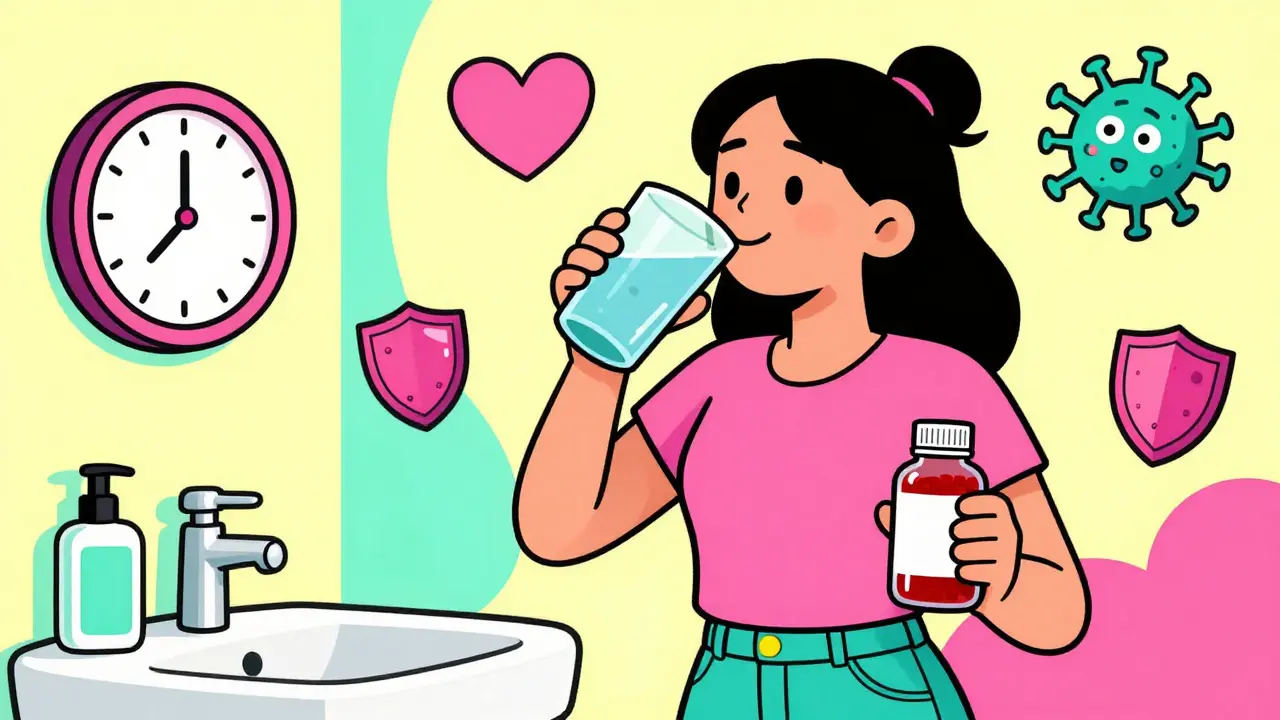
Simple habits can drastically reduce your risk. Hydration is key; drinking at least 1.5 liters of water daily reduces UTI risk by 48% by flushing out bacteria. Don’t hold your urine for long periods. Empty your bladder completely after sexual intercourse-this simple act cuts incidence by 50%. Wipe from front to back to prevent dragging gut bacteria toward the urethra. Avoid spermicides and diaphragms if they trigger infections, as they disrupt natural protective flora.
Non-Antibiotic Supplements
Many people turn to natural remedies. Here is what the science says:
- D-Mannose: This sugar prevents E. coli from sticking to the bladder wall. A 2021 study in European Urology found 2 grams daily showed 83% efficacy in preventing recurrence, outperforming some antibiotics. It is generally well-tolerated.
- Cranberry Products: Not all cranberries are equal. You need products high in proanthocyanidins (PACs), specifically aiming for 36mg PACs daily. A 2022 Cochrane review noted a 39% reduction in UTIs with adequate doses. Most cheap juices contain too little active compound to help.
- Vaginal Estrogen: For postmenopausal women, topical estrogen cream restores healthy vaginal pH and flora. Studies show it decreases UTI frequency by 70% in this demographic.
Medical Prophylaxis
If lifestyle changes and supplements aren’t enough, doctors may prescribe preventive antibiotics. Options include taking a low-dose antibiotic nightly or a single dose within two hours after intercourse. This strategy can reduce recurrence rates by up to 95%, but it is usually reserved for severe cases due to the risk of developing antibiotic resistance over time.
New Developments in UTI Care
The landscape of UTI treatment is evolving rapidly due to rising antibiotic resistance. In 2024, the FDA approved gepotidacin, the first new class of UTI antibiotic in two decades. It shows 92% efficacy against multidrug-resistant E. coli, offering hope for patients who fail traditional treatments.
Another breakthrough is EB8018, a FimH adhesin inhibitor approved in Europe. Instead of killing bacteria, it blocks them from attaching to the bladder lining, reducing recurrence by 75%. Research is also focusing on microbiome restoration, with probiotic suppositories containing Lactobacillus crispatus showing promise in reducing infections by restoring natural defenses.
How long does it take for antibiotics to work for a UTI?
Most patients experience significant symptom relief within 24 to 48 hours of starting appropriate antibiotics. However, you must complete the entire prescribed course, typically 3 to 7 days for uncomplicated cases, to ensure the infection is fully cleared and to prevent resistance.
Can a UTI go away without antibiotics?
In rare cases, mild UTIs may resolve on their own as the immune system fights off the bacteria. However, relying on this is risky. Untreated UTIs can progress to kidney infections or sepsis, which are life-threatening. Medical evaluation is always recommended to confirm the diagnosis and determine if treatment is necessary.
Does cranberry juice really prevent UTIs?
Only specific types of cranberry products work. You need formulations with high levels of proanthocyanidins (PACs), ideally 36mg per day. Most commercial cranberry juices are too sugary and lack sufficient PACs to provide protection. Supplements or concentrated extracts are more reliable options.
What is the best antibiotic for a UTI?
There is no single "best" antibiotic for everyone. Nitrofurantoin is often preferred for uncomplicated lower UTIs due to high efficacy and low resistance. Trimethoprim-sulfamethoxazole is effective in areas with low resistance rates. The choice depends on local bacterial resistance patterns, your allergy history, and whether the infection involves the kidneys.
When should I see a doctor for a UTI?
You should see a doctor if you experience burning during urination, frequent urgency, cloudy or bloody urine, or pelvic pain. Seek immediate emergency care if you have fever, chills, nausea, vomiting, or flank pain, as these indicate a potential kidney infection requiring urgent treatment.