Medication Dysosmia Risk Checker
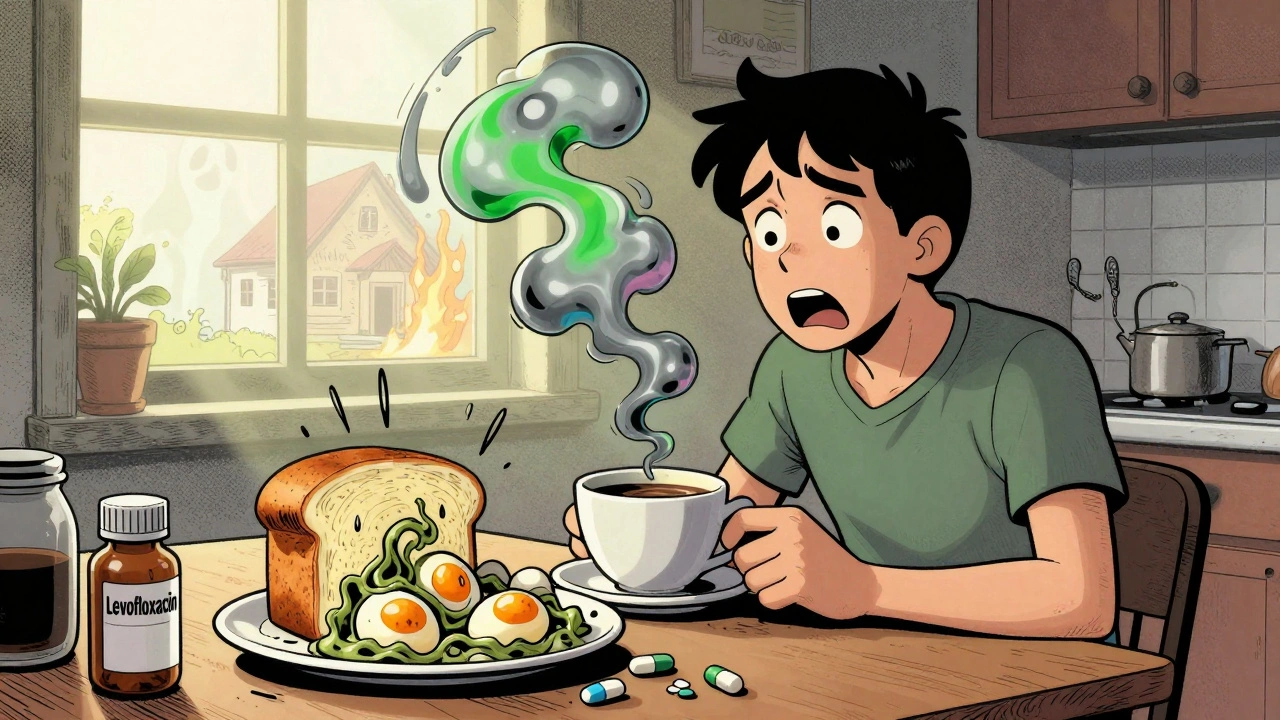
Have you ever taken a medication and suddenly found that your favorite coffee tastes like metal, or that bread smells like rotten eggs? You’re not alone. More people than you think experience this - and most doctors don’t ask about it.
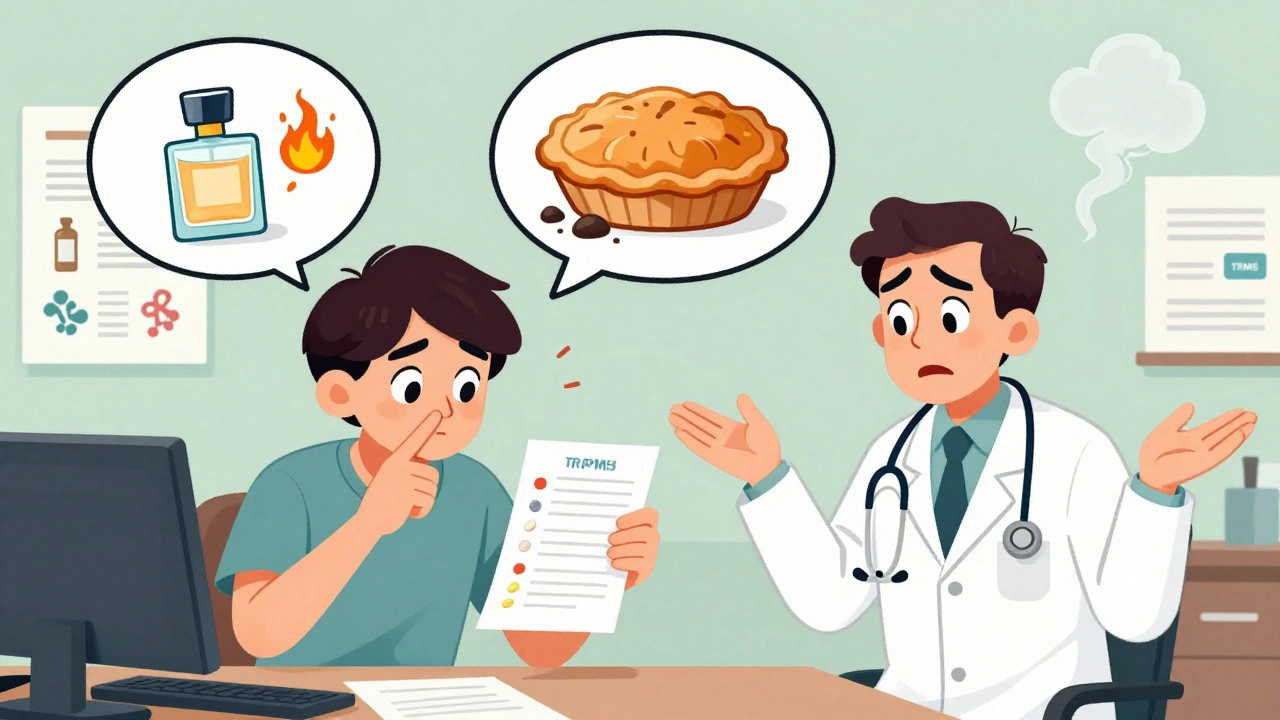
Dysosmia is the medical term for when your sense of smell gets twisted. It’s not just losing smell - that’s anosmia. Dysosmia means familiar smells turn strange, unpleasant, or even terrifying. A freshly baked pie might smell like garbage. Perfume could smell like burning plastic. Sometimes, you smell things that aren’t there at all - cigarette smoke, gas, or sewage - when the air is perfectly clean.
This isn’t rare. Over 500 medications are linked to dysosmia, according to MedLink Neurology’s 2022 update. It happens with antibiotics, blood pressure pills, seizure meds, and even antidepressants. And yet, most patients never tell their doctor. Why? Because no one asks.
Which Medications Are Most Likely to Cause Smell Changes?
Some drugs are far more likely to mess with your nose than others. The biggest culprits? Antibiotics - especially the ones you take for a sinus infection or bronchitis.
- Fluoroquinolones like levofloxacin and moxifloxacin: These can cause a metallic taste or smell within days. One study found levofloxacin increases risk by 2.5 times compared to other antibiotics.
- Macrolides like azithromycin and clarithromycin: These are linked to parosmia - where food smells foul. A Reddit user reported smelling rotten eggs for over two years after a single course.
- Tetracyclines like doxycycline: These interfere with zinc and calcium in your nasal cells, disrupting smell signals.
It’s not just antibiotics. Blood pressure meds like midodrine can trigger phantom smells. Seizure drugs like carbamazepine have caused complete loss of taste and smell in some cases. Even common drugs like sertraline (an SSRI antidepressant) can slip into the membranes of your smell receptors and scramble their signals.
Some drugs act fast. If you get an IV drip of lidocaine or iron, you might taste metal within seconds. That’s not a coincidence - it’s the drug hitting your taste and smell nerves directly.
Why Does This Happen? The Science Behind the Smell Breakdown
Your nose doesn’t just detect smells - it’s a complex chemical lab. Odor molecules bind to receptors on nerve cells in your nasal lining. Those signals go to your brain, which says, “That’s coffee,” or “That’s burnt toast.”
Medications can break this system in two ways:
- Blocking the signal: Some drugs stop odor molecules from binding to receptors. This leads to reduced smell (hyposmia), but not always distortion.
- Tricking the system: This is where dysosmia happens. Drugs like sertraline can sneak into the cell membrane and keep receptors stuck in “on” mode. Your brain gets confused signals - like a broken radio playing static. That’s why you smell smoke when there’s none.
Some drugs mess with zinc, calcium, or magnesium - minerals your smell cells need to reset after detecting an odor. If those minerals are locked up or washed out, your nose can’t turn off the signal. That’s why fluoroquinolones and tetracyclines are so notorious - they bind to these minerals like magnets.
It’s not just your nose. The same drugs can affect taste cells on your tongue. That’s why many people report both smell and taste changes together. Food loses flavor, or worse - it tastes like chemicals, bile, or decay.
How Long Does It Last? Recovery and Timeline
Most people get better - but not always quickly.
According to the 1995 Schiffman and Nagle study, 78% of cases improve within three months after stopping the medication. But 22% don’t. Some people struggle for months or even years.
Here’s what recovery looks like in real life:
- Weeks 1-4: Symptoms may linger after stopping the drug. This is normal. Your nerves need time to reset.
- Weeks 4-12: Most people notice gradual improvement. Smells become less intense, less unpleasant.
- 3-6 months: Full recovery is common, especially if the drug was taken for a short time.
- Beyond 6 months: If smell hasn’t returned, it’s not hopeless - but you may need help. Some cases require targeted treatment.
One case from Practical Neurology (2021) followed a woman who lost her sense of smell after levofloxacin. Even after stopping the drug, she couldn’t eat. She lost 8 pounds in three weeks. It took five months before she could smell coffee again - and a year before bread didn’t smell like mold.
But there’s hope. In some cases, switching to a different drug helps. One patient with dysosmia from an antidepressant found relief after switching to mirtazapine. Her taste returned in just five days.
What Should You Do If Your Smell Changes?
Don’t ignore it. Don’t assume it’s just a cold. Don’t wait for your doctor to ask.
Here’s what to do:
- Track your symptoms. When did the smell change start? What smells are wrong? Write it down. Note the exact medication and when you started it.
- Don’t stop your meds without talking to your doctor. Some drugs, like blood pressure pills, can’t be stopped suddenly. But you can ask: “Could this be causing my smell changes?”
- Ask for a smell test. The University of Pennsylvania Smell Identification Test (UPSIT) is a simple 40-item sniff test. It’s not expensive, and it’s used by specialists to confirm the issue isn’t neurological.
- Check your list of meds. Look up your drugs on MedLink Neurology’s updated list or the FDA’s database. Many are flagged.
If you’re on multiple drugs, the problem might be a combination. A 2023 study found that patients on three or more high-risk medications had a 4.2 times higher chance of dysosmia.
Treatment Options: What Actually Works
There’s no magic pill - but some approaches have real evidence.
Stop the drug: This is the most effective step - if safe to do so. For antibiotics, that’s often possible. For chronic meds, your doctor may switch you.
Zinc supplements? Maybe - but be careful. Some people think zinc fixes everything. Dr. Thomas Hummel from Dresden warns: “Indiscriminate zinc can cause copper deficiency and make things worse.” Only use it if you have a confirmed deficiency.
Theophylline: This asthma drug has been used off-label to help restore smell. It works by reactivating the receptors that got stuck. But it’s not for everyone - it can cause heart palpitations.
Calcium channel blockers and GABA agonists: These are used to calm overactive nerves. They’re experimental but show promise in small trials.
Smell training: This isn’t a cure, but it helps your brain relearn smells. You sniff four strong scents (rose, lemon, eucalyptus, clove) for 20 seconds, twice a day. It’s free, safe, and backed by studies. After 12 weeks, many people report less distortion.

Why This Is Still Overlooked
Doctors rarely ask about smell. A 2022 JAMA survey found only 37% of primary care doctors check for it during medication reviews. Even when patients mention it, they’re often told it’s “just stress” or “aging.”
There’s a bigger problem: no one reports it. Unlike rashes or nausea, smell changes aren’t required to be reported to drug safety agencies. That means the true scale is hidden.
Patients are speaking up, though. On Reddit’s r/anosmia, over 140 posts in 2023 were about medication-induced dysosmia. One woman said, “I couldn’t hug my kids because their hair smelled like garbage.” Another said, “I stopped cooking because I was afraid I’d burn the house down - I couldn’t smell smoke.”
That’s the real cost: not just lost flavor - lost safety, joy, connection.
What’s Changing? The Future of Smell and Medication
Things are starting to shift.
The FDA now recognizes smell and taste as important side effects. In 2021, they issued draft guidance asking drug makers to include these in clinical trials. AstraZeneca even filed a patent in 2022 for a treatment specifically targeting drug-induced smell loss.
In 2024, the European Medicines Agency will require smell testing in all new trials for antibiotics and heart drugs. That’s huge - it means future meds might be designed to avoid this.
And research is moving fast. Clinical trials are testing drugs that target the TRPM5 channel - the exact protein that gets stuck in dysosmia. Early results are promising.
For now, the best tool you have is awareness. If your smell changes after starting a new drug, speak up. Bring your list. Ask the question. You might be the first person your doctor hears this from - but you won’t be the last.
Can medication-induced smell changes be permanent?
In most cases, no. About 78% of people recover within three months after stopping the medication. But for 22%, symptoms can last longer - sometimes over a year. Permanent loss is rare, but it does happen, especially with long-term use of high-risk drugs like carbamazepine or repeated courses of fluoroquinolones. Early intervention improves recovery chances.
Why do some people get dysosmia and others don’t?
We don’t fully know yet. Genetics, age, existing nasal health, and even gut bacteria may play a role. Older adults and people with prior smell loss are at higher risk. Some people’s smell receptors may be more sensitive to certain drug interactions. Right now, there’s no reliable way to predict who will be affected.
Is zinc supplementation recommended for dysosmia?
Only if you have a confirmed zinc deficiency. Taking zinc without testing can lead to copper deficiency, which may worsen neurological symptoms. Many online sources promote zinc as a cure, but experts like Dr. Thomas Hummel warn it’s not evidence-based for drug-induced cases. Always check your levels with a blood test before supplementing.
Can I still use my medication if I have dysosmia?
It depends. If the drug is essential - like a blood pressure or seizure medication - stopping it may be dangerous. Talk to your doctor about alternatives. For antibiotics, switching to a different class is often possible. Never stop a prescribed medication without medical advice, even if your smell is off.
How is dysosmia different from anosmia?
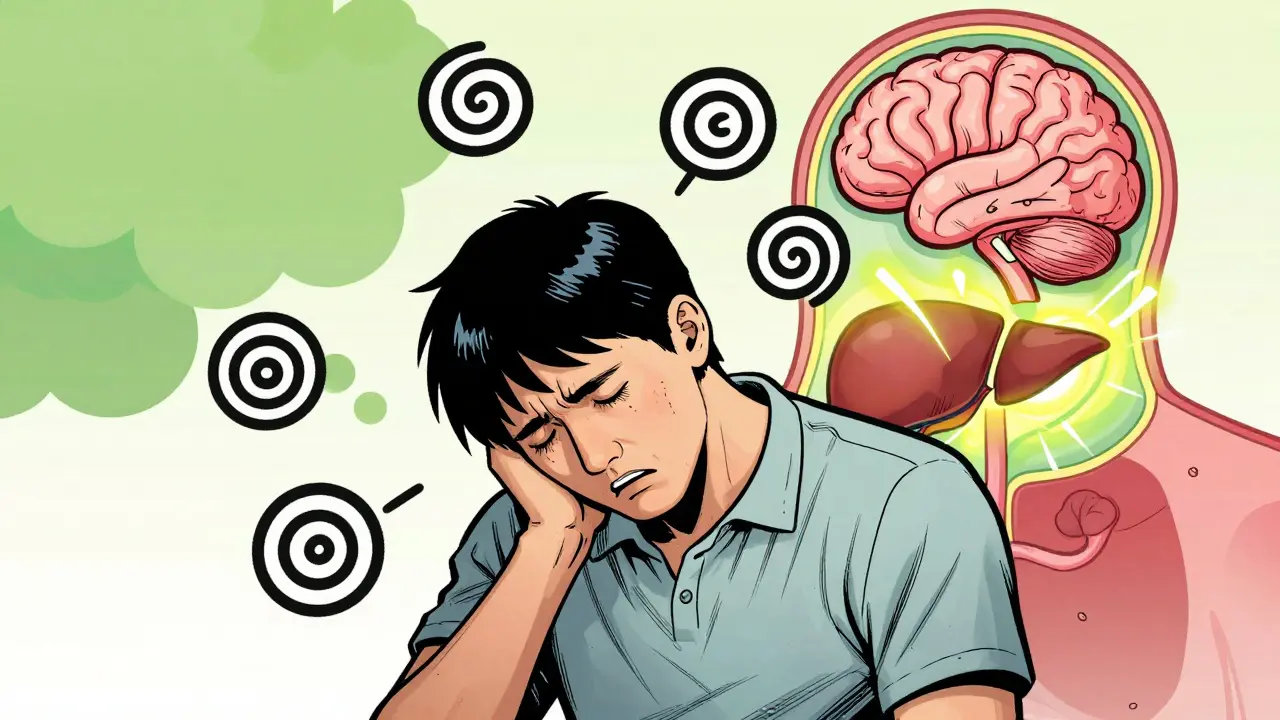
Anosmia means you can’t smell anything at all. Dysosmia means you can smell - but it’s wrong. Your brain misinterprets the signals. You might smell burning when there’s no fire, or rotten food when it’s fresh. It’s not a loss - it’s a distortion. Dysosmia is often more distressing than total loss because you’re constantly bombarded by false, unpleasant smells.
Should I see a specialist for this?
Yes - if symptoms last more than 4-6 weeks. An otolaryngologist (ENT) or a specialist in smell and taste disorders can run tests like the UPSIT to confirm it’s not neurological. They can also help you find safer medication alternatives and guide you through smell training. Don’t wait until you’ve lost weight or stopped eating - early help makes a big difference.




Wesley Phillips on 8 December 2025, AT 03:22 AM
Bro I took azithromycin for a sinus thing and suddenly my pizza smelled like a dumpster behind a gas station. I thought I was going insane. Turned out it was the drug. Took 8 months to get back to normal. Never touch macrolides again.