Food-Medication Interaction Checker
Select medication and food to check interaction
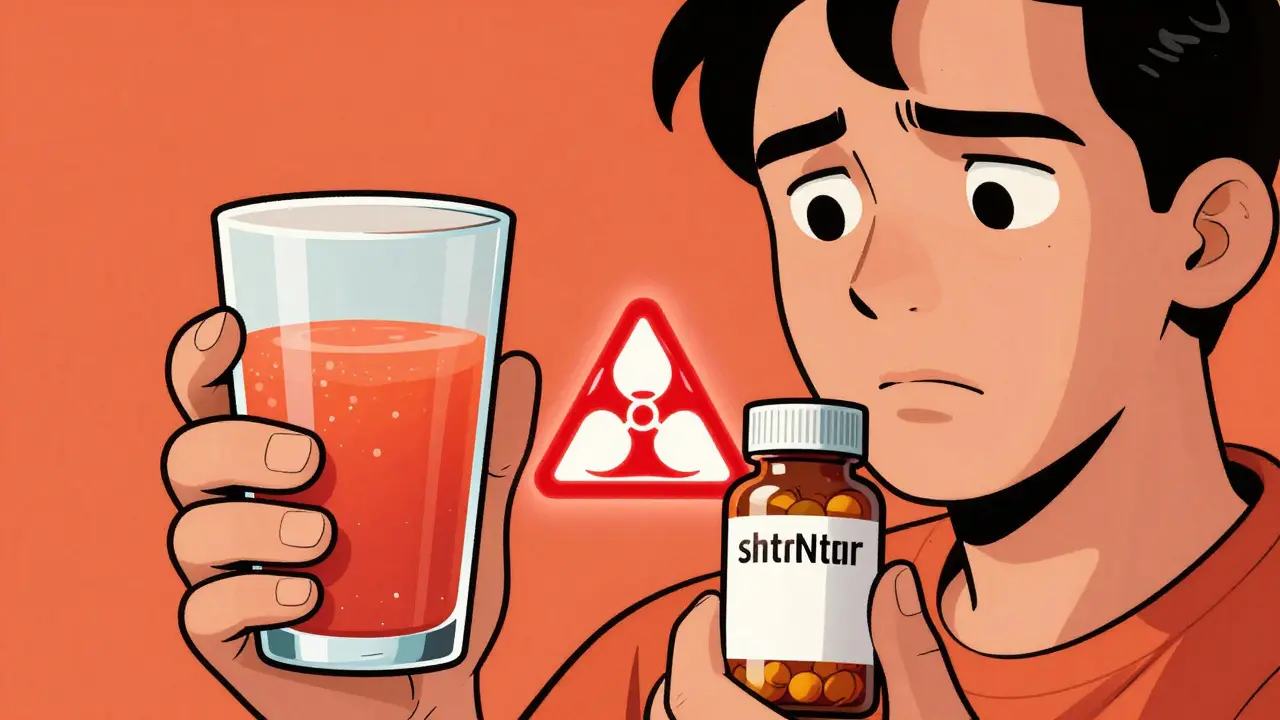
Did you know that eating a grapefruit with your morning statin could turn a safe dose into a dangerous one? Food and medication interactions affect millions of people every year, causing serious side effects, hospital visits, and even life-threatening situations. The good news? You can manage these risks with simple knowledge.
Food-drug interactions are changes in how medicines work caused by food, caffeine, or alcohol. These can prevent medications from working properly, make side effects worse, or create new health problems. The U.S. Food and Drug Administration (FDA) reports that 42% of serious drug interactions involve food components, making this a critical issue for patients.
How Food Changes How Medications Work
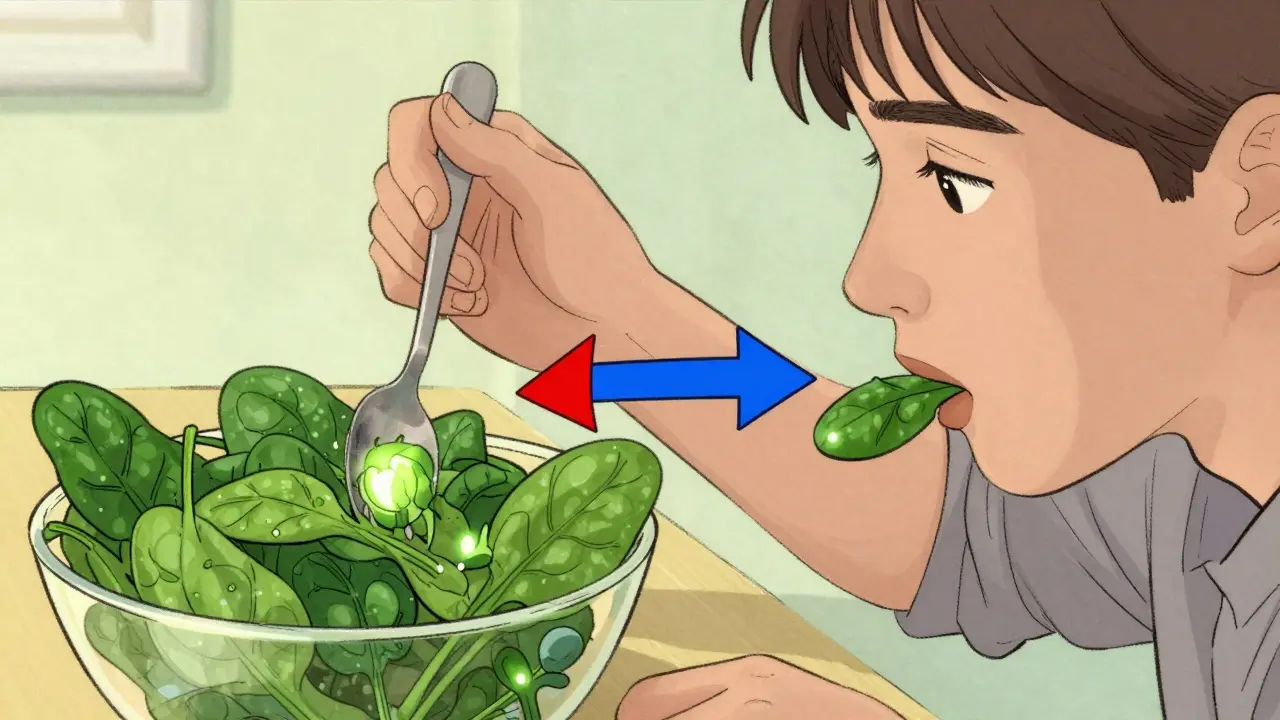
Food affects medications in three main ways. First, pharmacokinetic interactions change how your body absorbs, processes, or removes drugs. For example, calcium in dairy products binds to tetracycline antibiotics, reducing absorption by 50% if eaten within 2 hours. Second, pharmacodynamic interactions alter how drugs act at their target sites. Vitamin K in spinach directly counteracts warfarin’s blood-thinning effects. Third, physicochemical interactions occur when food components chemically bind to drugs, like grapefruit juice inhibiting enzymes that break down statins.
Common Dangerous Interactions
| Medication | Food Interaction | Effect |
|---|---|---|
| Warfarin | Vitamin K-rich foods (spinach, kale) | Reduced effectiveness; risk of clotting or bleeding |
| Simvastatin | Grapefruit juice | 330% higher blood levels; increased muscle pain or liver damage |
| Tetracycline | Dairy products (calcium) | 50% reduced absorption |
| Ciprofloxacin | Calcium-containing foods | 75-90% reduced absorption |
| NSAIDs (ibuprofen) | Food | Reduces stomach ulcers from 15% to 4% |
Take proton pump inhibitors like omeprazole: they must be taken 30-60 minutes before meals. If taken with food, they’re 40% less effective at reducing stomach acid. Meanwhile, MAO inhibitors for depression require strict avoidance of aged cheeses-just one serving can trigger a dangerous blood pressure spike. The American Pharmacists Association found 54% of patients don’t know about grapefruit interactions, making education crucial.
When to Take Medications: Timing Matters
Many medications need specific timing relative to meals. Levothyroxine (for thyroid issues) must be taken 60 minutes before breakfast. A 2022 study showed 34% reduced efficacy when taken with food. For antibiotics like amoxicillin, food doesn’t affect absorption, but fluoroquinolones like ciprofloxacin lose 90% effectiveness with calcium-rich foods. The rule of thumb? Take most medications on an empty stomach (1 hour before or 2 hours after meals) unless your pharmacist says otherwise.
For NSAIDs like ibuprofen, taking them with food cuts stomach ulcer risk from 15% to 4%. But don’t assume all painkillers need food-some work better without it. Always check the label or ask your pharmacist. The National Institute on Aging reports 63% of elderly patients struggle with consistent timing, leading to dangerous fluctuations in drug levels.
Practical Steps to Stay Safe
Here’s how to protect yourself:
- Read labels carefully. New FDA guidelines require clear food interaction warnings on all drug packaging.
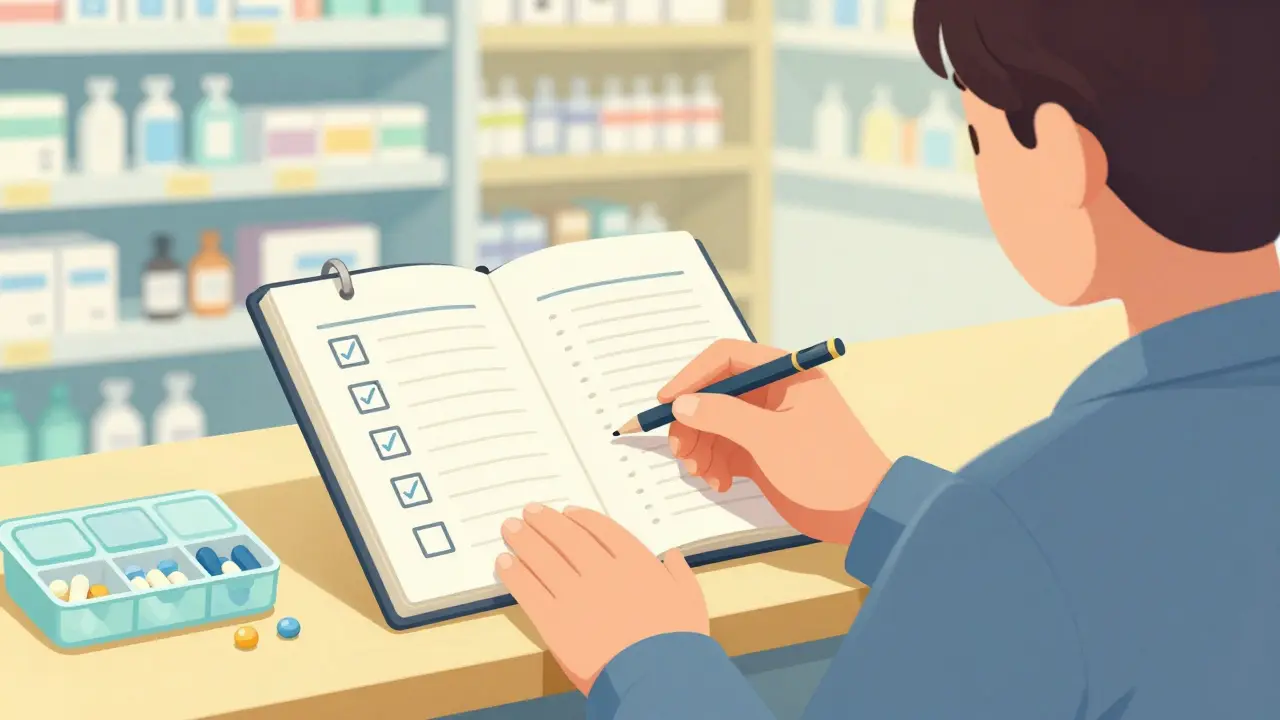
- Use a food diary. Patients tracking vitamin K intake for warfarin have 28% fewer INR issues, per the American Heart Association.
- Ask your pharmacist. They can identify interactions you might miss-like coffee affecting blood pressure meds.
- Try MyMedSchedule. This NIH app uses AI to create personalized medication schedules based on your diet, reducing errors by 35%.
For example, if you take simvastatin, swap grapefruit for oranges. If you’re on warfarin, eat consistent amounts of spinach (1 cup daily) instead of varying between salads and no greens. Small changes make big differences.
Frequently Asked Questions
Can I eat grapefruit with any medication?
No, grapefruit juice interacts with many drugs. It boosts blood levels of statins by 330%, blood pressure medications by 200%, and some antidepressants. Always check with your pharmacist before consuming grapefruit. The FDA reports grapefruit alone causes 1,100 emergency room visits yearly.
Why does food affect some medications but not others?
It depends on how the drug works. Medications processed by liver enzymes (like statins) are more vulnerable to grapefruit. Antibiotics like amoxicillin aren’t affected by food, but tetracycline binds to calcium. Your pharmacist can explain why your specific meds need special care.
Should I always take medication with food to avoid stomach upset?
Not necessarily. While NSAIDs like ibuprofen benefit from food, many antibiotics and thyroid meds work better on an empty stomach. Taking them with food could make them less effective. Always follow your prescription instructions exactly.
How do I know if my medication has food interactions?
Check the label for warnings like "take on empty stomach" or "avoid dairy." New FDA guidelines require clear interaction notes. If unsure, ask your pharmacist-they’ll explain exactly which foods to avoid. Remember, 68% of patients don’t understand "empty stomach" instructions, so never guess.
What’s the safest way to take warfarin with diet?
Keep vitamin K intake consistent. Spinach has 483 mcg per cup cooked-eat the same amount daily. Avoid sudden changes like a big salad one day and none the next. Patients who track vitamin K with food diaries have 32% fewer INR fluctuations, according to Johns Hopkins Hospital. Always consult your doctor before adding new foods.




Cullen Bausman on 6 February 2026, AT 07:32 AM
This is critical information. FDA data shows 42% of serious interactions involve food. Patients must be educated. No exceptions