Statin Dose Adjustment Calculator
Statin Dose Adjustment Calculator
Find out how your LDL cholesterol reduction and side effect risk change with different dosing schedules.
Results
Expected LDL Reduction
Based on clinical studies showing LDL reduction percentages for different dosing regimens.
Side Effect Risk
Note: This is an estimate based on clinical evidence. Individual responses may vary.
Recommendations
Important Notes
Before adjusting your dose: Always consult your doctor to rule out other causes of muscle pain like low vitamin D or thyroid issues.
Check CK levels: If you experience muscle pain, check your creatine kinase (CK) levels before restarting. If CK is more than four times normal, stop the statin.
Statin medications save lives. They lower LDL cholesterol by 30% to 60%, cutting heart attack and stroke risk in high-risk patients. But for many, the side effects-especially muscle pain-make them stop taking them. The problem isn’t that statins don’t work. It’s that people quit before they can benefit. The good news? You don’t have to choose between feeling awful and staying healthy. Dose adjustment and switching statins can get you back on track-without giving up the protection you need.
Why Do Statins Cause Muscle Pain?
Not everyone gets muscle pain from statins. In fact, most people tolerate them just fine. But for those who do, the discomfort can be real and persistent. The most common complaint is myalgia-generalized muscle aches, weakness, or cramps, often in the legs or shoulders. It usually starts within weeks of beginning the medication or after a dose increase.
Here’s what’s happening: statins interfere with the production of coenzyme Q10, a compound your muscles need for energy. Lower levels can lead to fatigue and soreness. But here’s the twist: research suggests that up to 90% of people who think they have statin-induced muscle pain actually experience the same symptoms when taking a placebo. This is called the nocebo effect-when you expect side effects, your brain makes you feel them. The landmark SAMSON trial in 2023 showed that in patients who claimed they couldn’t tolerate statins, symptoms occurred just as often during placebo periods as during active treatment.
That doesn’t mean the pain isn’t real. It means the cause might not be the drug itself. Other factors like low vitamin D, underactive thyroid, aging, or even overexertion can mimic statin side effects. Before giving up on statins, it’s important to rule these out.
When to Consider Dose Adjustment
If you’re experiencing mild to moderate muscle discomfort, the first step isn’t quitting-it’s adjusting. Many patients can stay on statins with a lower dose or less frequent schedule.
Long-acting statins like rosuvastatin and atorvastatin are ideal for this. Because they stay in your system longer, you can take them every other day or even twice a week and still keep your LDL under control. For example, switching from 20mg daily to 10mg every other day often maintains a 20-40% drop in LDL, which is enough for many people to stay protected.
The American College of Cardiology recommends starting with a two-week break to confirm symptoms are truly linked to the statin. Then, restart at a lower dose-say, 5mg of rosuvastatin twice a week-and increase slowly if tolerated. Check your creatine kinase (CK) levels before and four weeks after restarting. If CK is more than four times the normal level, stop the statin and wait six weeks before trying again.
Real-world data from Geisinger Health System shows that nearly 80% of patients who switched to intermittent dosing stayed on therapy for over a year. That’s a huge win for long-term heart health.
Switching Statins: A Proven Solution
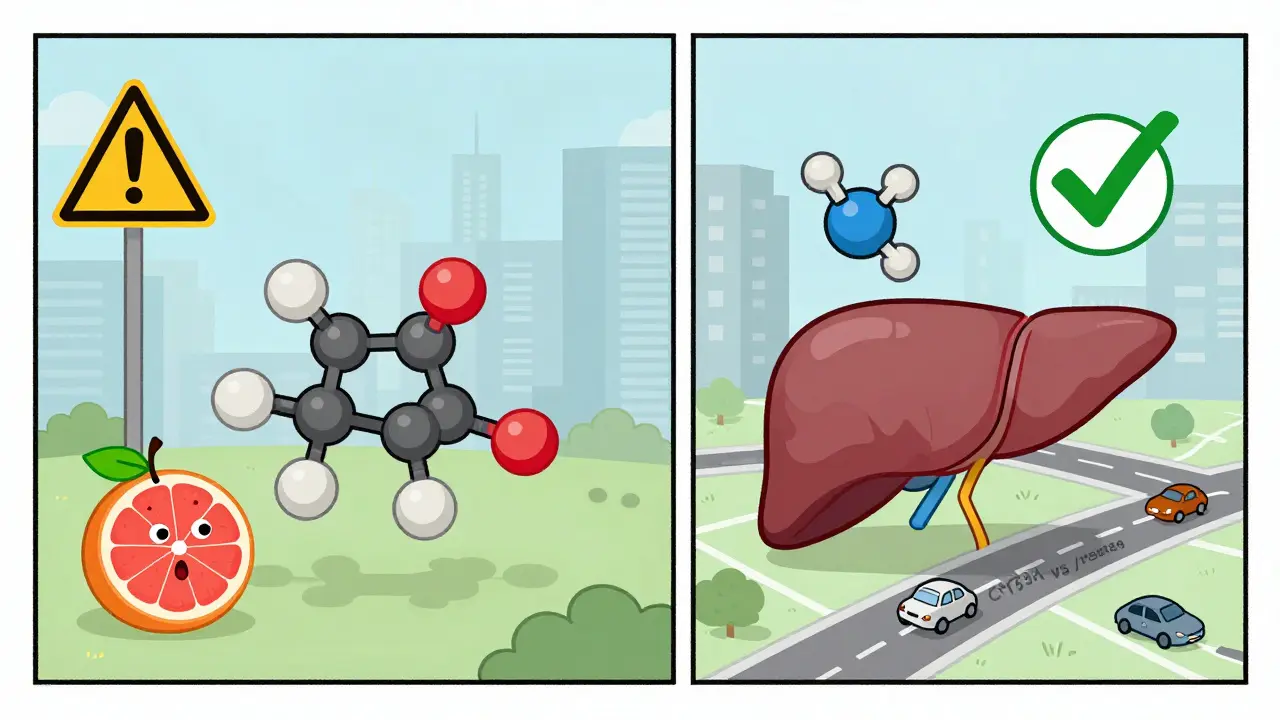
If dose adjustment doesn’t help, switching to a different statin is the next step. Not all statins are the same. Some are processed by the liver using the CYP3A4 enzyme system-like simvastatin, lovastatin, and atorvastatin. Others, like rosuvastatin and pravastatin, use different pathways.
If you had muscle pain on simvastatin, switching to rosuvastatin gives you a 75% chance of success. Why? Because rosuvastatin doesn’t rely on CYP3A4, so it’s less likely to interact with other drugs or build up in your system. Same goes for pravastatin-it’s water-soluble and less likely to penetrate muscle tissue.
Patients on Reddit and heart health forums report success stories like: “I switched from 40mg simvastatin to 10mg rosuvastatin every Monday and Thursday. My muscles feel normal, and my LDL is 75.” That’s not luck-it’s science.
Doctors often start with a low dose of the new statin-5mg of rosuvastatin or 20mg of pravastatin-and monitor for four weeks. If there’s no pain and LDL stays down, they’ll slowly increase the dose or frequency.
What to Avoid When Switching
Some statins are riskier than others. Simvastatin, especially at doses above 20mg, carries a higher risk of muscle damage. It’s also more likely to interact with other common medications like amiodarone, amlodipine, or grapefruit juice. If you’re on any of these, avoid simvastatin entirely.
Don’t jump from one statin to another without a break. Going straight from simvastatin to atorvastatin might just repeat the same problem since both use similar liver pathways. Give your body a two-week reset.
Also, avoid combining statins with fibrates (like fenofibrate) unless absolutely necessary. The combination increases the risk of rhabdomyolysis-a rare but serious muscle breakdown that can damage kidneys. It happens in fewer than 1 in 1,000 people, but it’s preventable.
Alternatives When Statins Still Don’t Work
Even after trying dose changes and switches, about 1 in 3 people still can’t tolerate statins. That’s when you look at alternatives.
The first-line option is ezetimibe. It blocks cholesterol absorption in the gut and lowers LDL by 15-25%. It’s safe, cheap (generic, under $10/month), and doesn’t cause muscle pain. It’s often paired with a low-dose statin for better results.
Next up are PCSK9 inhibitors like evolocumab and alirocumab. These injectable drugs lower LDL by 50-70%-better than most statins. But they cost about $5,800 a year, and insurance often requires you to fail multiple statin trials before approving them. They’re reserved for high-risk patients who truly can’t take statins.
Bile acid sequestrants like cholestyramine are older options. They lower LDL by 15-30%, but they cause bloating, gas, and constipation in up to 40% of users. Most people can’t stick with them long-term.
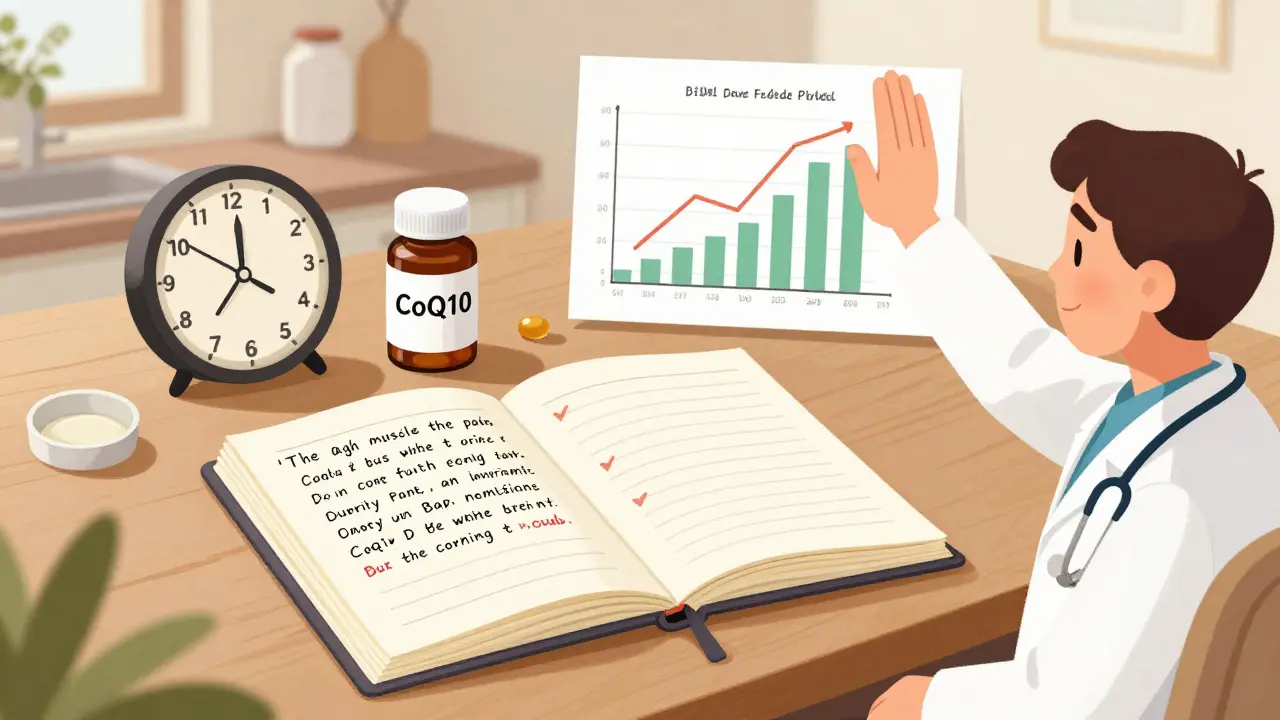
Supplements like Coenzyme Q10 (200mg daily) are popular in online forums. Some users swear by them. But clinical trials haven’t proven they consistently reduce statin-related muscle pain. They’re not harmful, but don’t count on them as a solution.
What Really Helps: Lifestyle and Monitoring
Before you even think about changing your statin, check your basics. Low vitamin D? Get tested. Thyroid levels off? Fix that first. Both are common causes of muscle pain that look exactly like statin side effects.
Exercise matters too. Too much intense activity can trigger soreness. But light, consistent movement-walking, swimming, cycling-actually helps muscles adapt and reduces discomfort.
Keep a symptom journal. Note when the pain started, how bad it is, what you were doing, and whether it changed after a dose adjustment. This helps your doctor spot patterns. Was the pain worse after a long walk? Or after eating grapefruit? Or right after you started a new medication?
And don’t underestimate communication. If your doctor dismisses your concerns, find someone who listens. The best outcomes happen when patients and providers work together to find a plan that fits their life.
Long-Term Success Is Possible
Statin intolerance doesn’t mean you’re doomed to heart disease. It means you need a smarter approach. Dose adjustment and switching statins work for the vast majority of people. Studies show these strategies keep over 80% of patients on therapy, preserving nearly all the cardiovascular benefits.
Health systems like Kaiser Permanente have cut statin discontinuation rates in half by training doctors to use structured protocols: test for other causes, try intermittent dosing, switch statins, then consider alternatives only if needed.
The goal isn’t to take the highest dose possible. It’s to take the right dose-every day, every week, for years. That’s how you prevent heart attacks. That’s how you live longer.
Don’t quit statins because you feel sore. Adjust. Switch. Persist. Your heart will thank you.
Can I take statins every other day instead of daily?
Yes, especially if you’re using long-acting statins like rosuvastatin or atorvastatin. Taking them every other day or even twice a week can still lower LDL cholesterol by 20-40%, which is often enough for heart protection. This approach reduces muscle side effects for many people. Start with a low dose-like 5mg rosuvastatin twice weekly-and increase slowly under your doctor’s supervision.
Which statin has the least side effects?
Rosuvastatin and pravastatin generally have the best tolerability profiles. Rosuvastatin doesn’t rely on the CYP3A4 liver enzyme, so it interacts less with other drugs and is less likely to cause muscle pain. Pravastatin is water-soluble and doesn’t penetrate muscle tissue as easily. Simvastatin, especially at higher doses, is linked to more muscle-related side effects and should be avoided if you’ve had problems with statins before.
How long should I stop statins before switching?
A two-week break is recommended to confirm that your symptoms are truly caused by the statin and not another factor. This gives your body time to clear the medication and reset. After the break, you can start a new statin at a low dose and monitor for side effects over the next four weeks.
Does CoQ10 help with statin muscle pain?
Some people report feeling better taking 200mg of CoQ10 daily, and it’s safe to try. But large clinical trials haven’t proven it consistently reduces muscle pain from statins. It may help a small subset of people, but it’s not a substitute for adjusting your dose or switching statins. Don’t rely on it as your main solution.
When should I consider a non-statin option?
Only after you’ve tried adjusting your dose, switching to a different statin, and ruling out other causes of muscle pain (like low vitamin D or thyroid issues). If you still can’t tolerate any statin, ezetimibe is the first alternative-it’s safe and affordable. PCSK9 inhibitors are powerful but expensive and usually require insurance approval. They’re best for people at very high risk of heart disease who have no other options.
If you’ve been told you can’t take statins, don’t accept that as final. Many people find a way to stay on them-with the right adjustments. Talk to your doctor about dose changes, switching options, and lifestyle checks. Your heart health is worth fighting for.




Glenda Marínez Granados on 20 January 2026, AT 08:21 AM
So let me get this straight - we’re telling people to keep taking a drug that makes them feel like they’ve been hit by a bus… but only if they do it every other day and whisper sweet nothings to their liver? 🤡Also, CoQ10 doesn’t work? Cool. I’ll just keep drinking grapefruit juice and blaming my muscles for being dramatic. 🍊💪