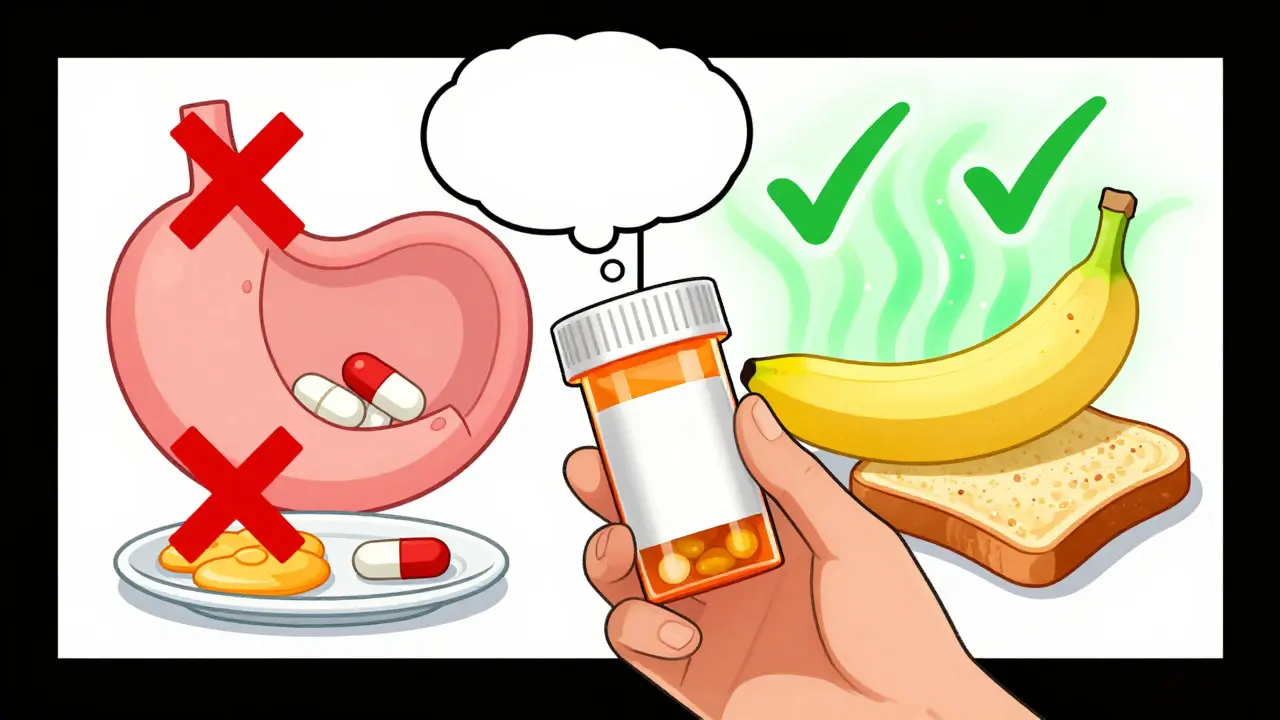
Have you ever looked at your prescription label and seen "take on an empty stomach" or "take with food" and wondered why it matters? It’s not just a suggestion-it’s science. Getting this wrong can mean your medicine doesn’t work as well, or worse, it could make you sick. For millions of people taking multiple prescriptions daily, this tiny detail makes a huge difference in how they feel, how safe they are, and whether their treatment even works.
Why Food Changes How Medicine Works
Your digestive system isn’t just a pipe for food-it’s a complex chemical factory. When you eat, your body releases stomach acid, bile, enzymes, and changes how fast your stomach empties. All of this affects how your body absorbs medicine. Some drugs need that acid to dissolve. Others get stuck if there’s calcium in your gut. A high-fat meal might help one drug soak in better, while making another useless. A 2015 study from the NIH found that food can delay how long it takes for common painkillers like ibuprofen and aspirin to reach their peak level in your blood by up to 2.8 times. That might not sound like much, but if you’re in pain, waiting longer to feel relief matters. For other drugs, like levothyroxine (used for hypothyroidism), food can cut absorption by over half. That’s not a small drop-it can mean your thyroid levels stay unbalanced for weeks.Medicines That Need Food
Not all medicines hate food. Some actually need it to work properly-or to keep you from getting sick. NSAIDs like ibuprofen, naproxen, and aspirin are classic examples. These drugs can irritate your stomach lining, especially if taken on an empty stomach. The UK’s NHS and German medical guidelines both recommend taking them after eating to reduce the risk of ulcers and bleeding. A 2021 study in the Journal of Antimicrobial Chemotherapy showed that taking Augmentin (amoxicillin/clavulanate) with food cut nausea by 20%. Many people report that eating a banana with their NSAID helps even more-63% of users on Medanta’s forum said it reduced stomach upset. Antibiotics like nitrofurantoin and rifabutin also work better with food. The same study found that taking these with meals extended their effective window from 20-60 minutes to up to 2 hours. That means your body has more time to fight off infection. HIV medications like ritonavir and zidovudine are another big group. These drugs often cause nausea, vomiting, or dizziness on an empty stomach. A 2022 guide from HIV Clinic Canada recommends taking them with a small, high-fat snack-like a spoonful of peanut butter or a few cheese crackers. Reddit users on r/HIV reported that this simple change cut nausea from 45% down to just 18% in their own experiences.Medicines That Must Be Taken on an Empty Stomach
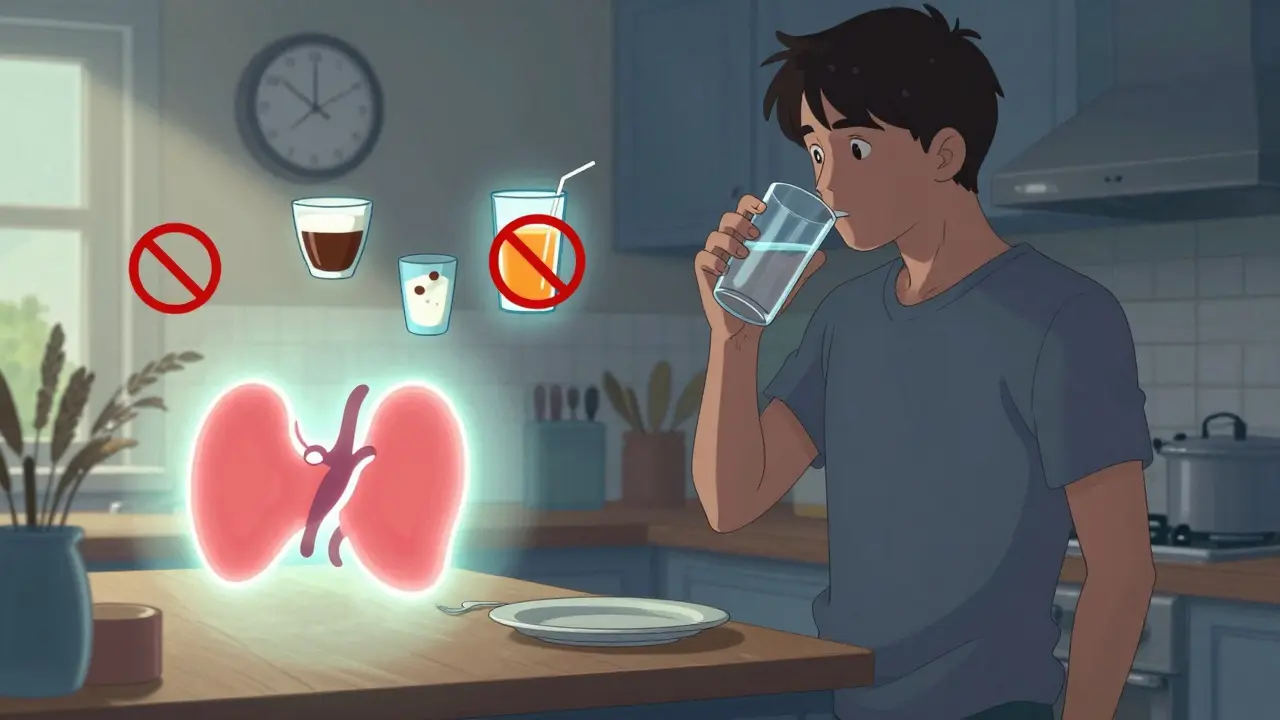
Some drugs are ruined by food-or worse, they become dangerous if taken with it. Tetracycline and doxycycline are antibiotics that bind to calcium, iron, and magnesium. That means milk, cheese, yogurt, antacids, or even fortified orange juice can block up to 50% of the drug from being absorbed. The Journal of Antimicrobial Chemotherapy confirmed this in a 2020 review. If you take these with food, you might not even get the full dose. Levothyroxine is one of the most common drugs in the world, and food can seriously mess with it. A 2023 study in Endocrine Practice showed that eating breakfast within 30 minutes of taking this medication reduced absorption by 20-55%. That’s why doctors insist on taking it 30 to 60 minutes before eating. Even coffee, which many people drink first thing in the morning, can interfere. Didanosine, another HIV drug, gets destroyed by stomach acid. Food increases acid production, which breaks down the drug before it can be absorbed. That’s why it must be taken on an empty stomach-no exceptions. Bisphosphonates, used for osteoporosis, need an even stricter window. You have to take them with a full glass of water, then wait 30 to 60 minutes before eating or drinking anything else. Skipping this step can lead to severe esophageal irritation.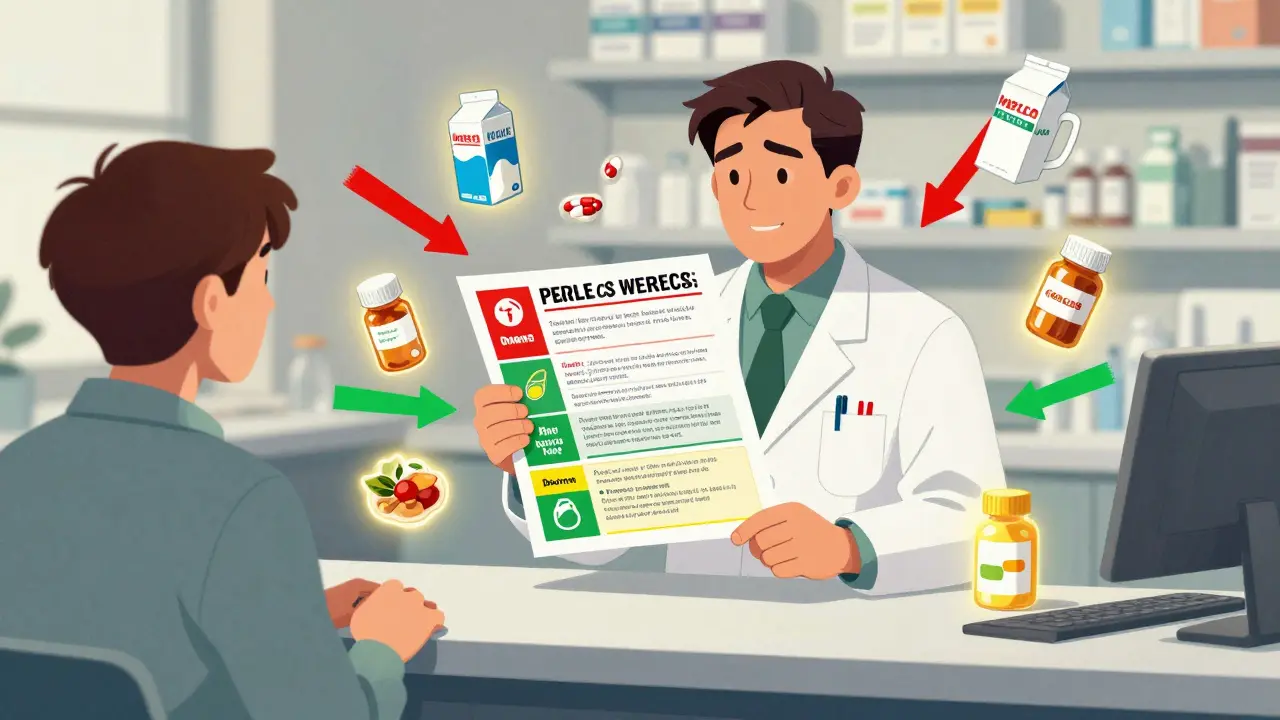
The Real-World Problem: People Forget
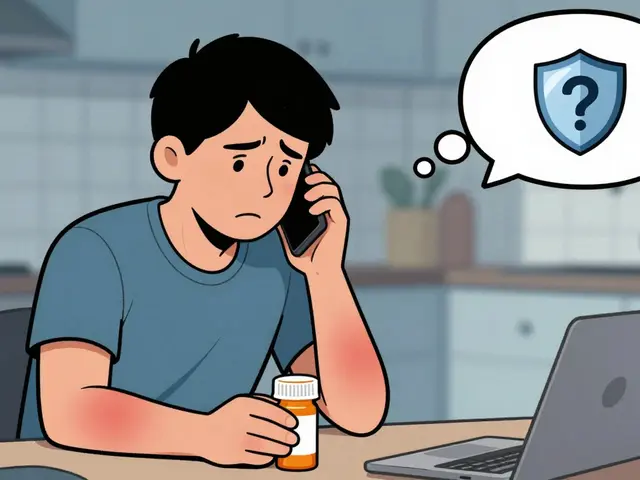
You’d think this would be simple. But it’s not. A 2023 GoodRx survey of 5,000 patients found that 42% admitted to taking their medication incorrectly regarding food at least sometimes. The worst offenders? People managing five or more prescriptions. Juggling different rules for each pill becomes overwhelming. On Reddit’s r/Pharmacy, users shared stories of forgetting whether to take their meds before or after meals. One user said they’d been taking their antibiotic with yogurt for months-until a pharmacist pointed out the calcium was likely making it useless. Another said they’d been taking levothyroxine with coffee for years, and only found out after their TSH levels stayed stubbornly high. The good news? Simple changes help. A 2024 Express Scripts report showed that patients who got clear, personalized instructions from their pharmacist had 27% higher adherence. That’s not just a number-it means fewer hospital visits, fewer side effects, and better outcomes.How to Get It Right
Here’s how to make sure you’re taking your medicine the right way:- Check every label. Don’t assume all your pills work the same. Even two pills with the same name can have different instructions.
- Ask your pharmacist. They’re trained to spot conflicts. Bring all your meds in one bag and ask: "Which ones need food, which ones don’t?"
- Use color-coded reminders. Some pharmacies now use red labels for "empty stomach," green for "with food," and yellow for "with high-fat meal." Ask if yours does.
- Set phone alarms. One alarm for "take meds 1 hour before breakfast," another for "take with dinner." Users on Reddit reported a 68% success rate when using reminders.
- Track what works. If you’re on a drug that causes nausea, try a small snack. If you’re on levothyroxine, keep a log of when you eat versus when you take it. Small changes add up.


Aaron Pace on 8 March 2026, AT 09:29 AM
I take my antibiotics with yogurt because it helps my stomach 😅 but now I'm terrified I've been ruining the whole thing for years. 😱