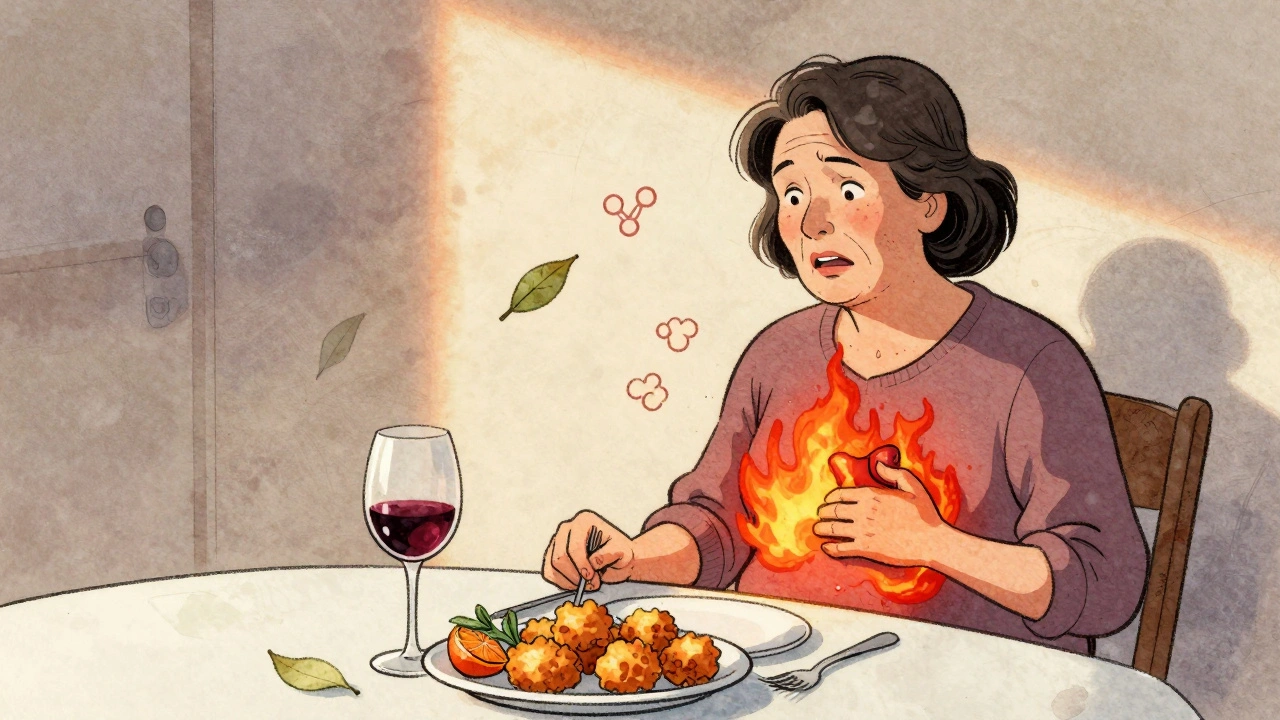
Heartburn during menopause isn’t just inconvenient-it can feel like a constant, burning reminder that your body is changing in ways you didn’t expect. If you’re in your late 40s or 50s and suddenly find yourself reaching for antacids after dinner, you’re not alone. Up to 50% of women going through menopause report new or worsening heartburn, and it’s not just about spicy food. Hormones are the hidden driver, and understanding how they work is the first step to real relief.
Why Menopause Makes Heartburn Worse
Estrogen and progesterone don’t just affect your mood or sleep-they also relax the lower esophageal sphincter (LES), the muscle that keeps stomach acid from creeping up into your throat. As these hormones drop during menopause, the LES loosens. That means even small meals or lying down after eating can send acid surging upward. It’s not a coincidence that heartburn spikes at night. Your body’s natural acid-reducing processes slow down when you’re horizontal, and without enough progesterone to keep the LES tight, the problem gets worse.
Research from the North American Menopause Society shows that women who experience hot flashes are 2.5 times more likely to have frequent heartburn. The two aren’t directly linked, but they share the same root: hormonal shifts. So if you’re dealing with night sweats, you’re probably also dealing with acid reflux.
Food Triggers You Might Not Realize
You’ve probably cut back on coffee and chocolate, but what about citrus, tomatoes, or even plain water? Some women find that drinking large amounts of water during meals dilutes stomach acid too much, causing the stomach to produce more-leading to rebound reflux. Carbonated drinks are another silent culprit. The bubbles expand in your stomach, increasing pressure and forcing acid up.
Here’s what actually triggers heartburn for most menopausal women:
- Large meals-especially after 7 p.m.
- Fried or fatty foods (even healthy fats like avocado in big portions)
- Alcohol, especially red wine
- Spicy foods, but not always-some women tolerate them fine
- Peppermint and chamomile tea (yes, even herbal ones)
- Chocolate and mint-flavored gum
Keep a simple food diary for two weeks. Write down what you ate, when, and if heartburn followed. You’ll likely spot patterns you never noticed before.
Timing Matters More Than You Think
It’s not just what you eat-it’s when. Eating within two hours of lying down is the number one mistake women make. Gravity helps keep acid down, and when you’re horizontal, it’s fighting a losing battle.
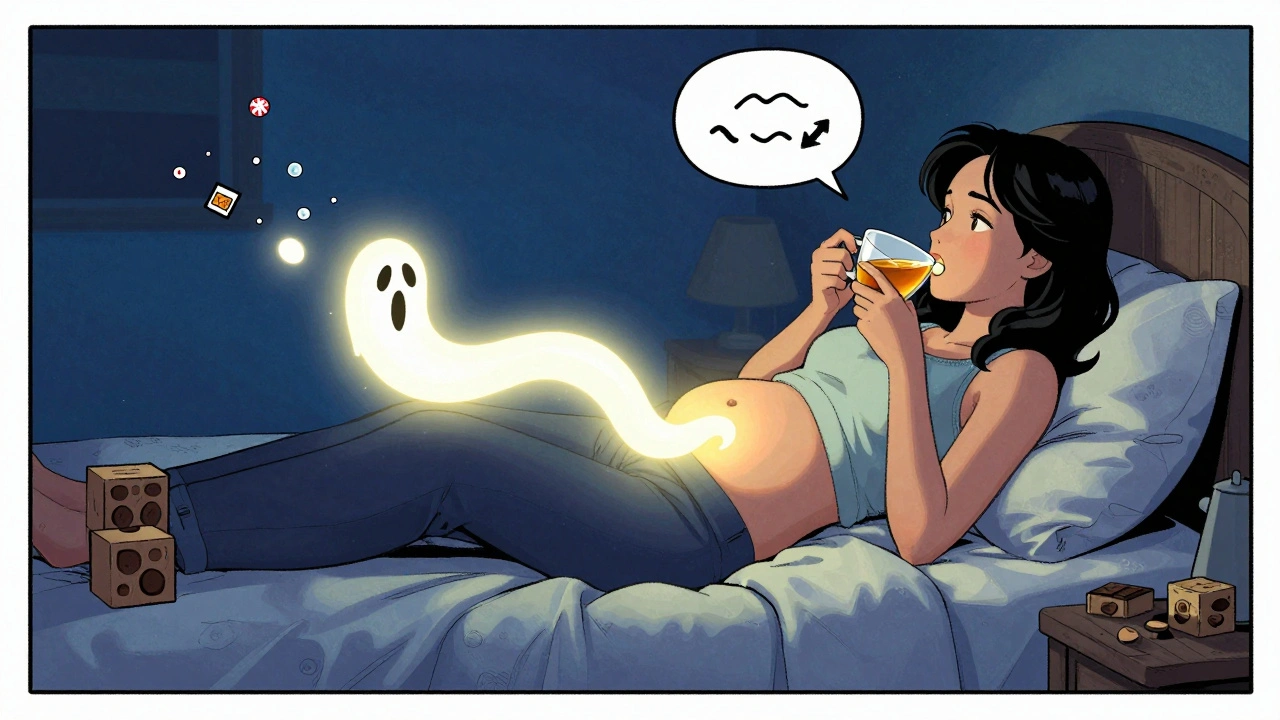
Try this: Finish dinner by 6:30 p.m. at the latest. If you’re hungry later, have a small, bland snack-like a rice cake or a few plain crackers-no later than 8 p.m. Elevate the head of your bed by 6 to 8 inches. You don’t need a fancy wedge pillow. Just place a 4-inch block under each leg at the head of your bed. This keeps your torso slightly tilted, letting gravity do the work.
Many women think sleeping on their left side helps. It does-for some. But studies show the most effective position is sleeping on your back with your upper body elevated. Side sleeping can increase pressure on the stomach, especially if you’re lying on your right side.
Weight, Posture, and Tight Clothing
Menopause often brings weight gain, especially around the abdomen. That extra pressure on your stomach pushes acid upward. Even a 5-10 pound increase can make heartburn worse. You don’t need to lose weight dramatically-just focus on reducing belly fat through walking, strength training, and cutting back on sugary snacks.
Also, ditch tight waistbands. Corset-style leggings, high-waisted jeans, or even tight belts can compress your stomach. Opt for soft, stretchy fabrics that sit below the belly. If you’re wearing a bra with underwire, try switching to a wireless style at night. It sounds small, but pressure on the diaphragm can trigger reflux.
What to Try Before Medication
Before reaching for OTC antacids or PPIs, try these evidence-backed, non-drug strategies:
- Chew gum after meals-sugar-free, preferably bicarbonate-based. Saliva neutralizes acid and helps sweep it back down.
- Try ginger tea or a 1-gram ginger capsule before bed. Ginger reduces inflammation in the esophagus and speeds up stomach emptying.
- Use aloe vera juice (1/4 cup before meals). Look for products labeled “inner fillet” and “no added sugars.” It soothes irritated tissue.
- Practice diaphragmatic breathing for 5 minutes before bed. Inhale slowly through your nose, letting your belly rise. Exhale through your mouth. This calms your nervous system and reduces stress-induced reflux.
These aren’t quick fixes, but they’re safe, low-cost, and work over time. One 2023 study in the Journal of Women’s Health found that women who combined dietary changes with breathing exercises saw a 60% reduction in heartburn episodes within six weeks.

When to See a Doctor
Heartburn that happens more than twice a week, wakes you up at night, or makes swallowing painful needs medical attention. So does vomiting, unexplained weight loss, or black, tarry stools. These aren’t normal menopause symptoms-they could signal GERD, Barrett’s esophagus, or even a hiatal hernia.
Don’t assume it’s just hormones. A doctor can check for H. pylori infection, rule out other causes, and recommend safe, targeted treatments. Hormone replacement therapy (HRT) can sometimes help, but it’s not for everyone. If you’re on HRT and heartburn got worse after starting it, talk to your provider. Some forms of estrogen can relax the LES more than others.
What Not to Do
Here are the top three mistakes women make when trying to manage menopausal heartburn:
- Overusing antacids. Tums and Rolaids are fine for occasional use, but daily use can cause rebound acidity or mineral imbalances.
- Waiting too long to treat it. Chronic acid exposure can damage the esophagus. Early action prevents long-term problems.
- Blaming everything on food. Stress, sleep deprivation, and lack of movement are just as important as diet.
Heartburn during menopause isn’t something you just have to live with. It’s a signal-your body is asking for a few adjustments. With the right changes, most women find relief within weeks. You don’t need to give up dinner with friends or your favorite evening snack. You just need to adjust how and when you eat it.
Is heartburn during menopause normal?
Yes, it’s very common. Hormonal changes during menopause weaken the muscle that blocks stomach acid from rising into the esophagus. About half of women experience new or worse heartburn around this time. It’s not a sign of something seriously wrong, but it shouldn’t be ignored if it’s frequent or severe.
Can I take antacids every day during menopause?
Occasional use is fine, but daily use isn’t recommended. Long-term use of calcium-based antacids can lead to kidney stones or imbalances in magnesium and phosphorus. If you need daily relief, talk to your doctor about safer options like H2 blockers or low-dose PPIs, and only for the shortest time needed.
Does estrogen replacement help with heartburn?
It can, but it’s not guaranteed. Some women find relief with estrogen therapy because it helps tighten the lower esophageal sphincter. Others find it makes heartburn worse, especially with certain types of estrogen. If you’re on HRT and heartburn started or worsened after starting it, talk to your provider about switching formulations or doses.
Can stress make heartburn worse during menopause?
Absolutely. Stress increases stomach acid production and slows digestion. It also makes you more sensitive to pain, so even mild reflux feels more intense. Practices like deep breathing, yoga, or walking after meals can reduce both stress and reflux symptoms.
Will losing weight help my heartburn?
Yes-even a small amount. Losing just 5-10 pounds, especially around the belly, reduces pressure on the stomach and lowers the chance of acid reflux. You don’t need to lose a lot. Focus on eating smaller portions, moving more, and cutting back on processed sugars.
Are there any natural remedies that actually work?
Yes. Ginger, aloe vera juice (without added sugar), and chewing sugar-free gum after meals have solid evidence. Elevating your head while sleeping and avoiding late-night eating are also proven. Avoid apple cider vinegar and baking soda-these can irritate your esophagus and cause more harm than good.


Benjamin Sedler on 4 December 2025, AT 18:37 PM
So let me get this straight-you’re telling me the solution to menopause heartburn is to stop eating avocado and sleep like a pyramid pharaoh? I’ve been eating guac every night since 2018 and my LES is basically a VIP lounge. Also, who the hell measured the 6-inch block under the bed legs? Was it NASA? Or just some guy in a Reddit thread who once read a blog post?