
Imagine trying to manage a chronic condition like diabetes or high blood pressure. You have pills to take, injections to prepare, and devices to assemble. It is overwhelming. Now imagine doing that while worrying about the bill at the end of the month. This is the reality for millions of patients today. But there is a solution that simplifies treatment and lowers costs: generic combination products. These are not just cheaper copies of brand-name drugs. They are integrated therapies that combine medicine with delivery devices, designed to make taking your medication easier and more effective.
When you switch from a brand-name combination product to its generic version, you keep the convenience of an all-in-one treatment but pay significantly less. The question is, does this switch actually help you stick to your treatment plan? The answer is yes, provided you understand how these products work and what to expect during the transition.
What Are Generic Combination Products?
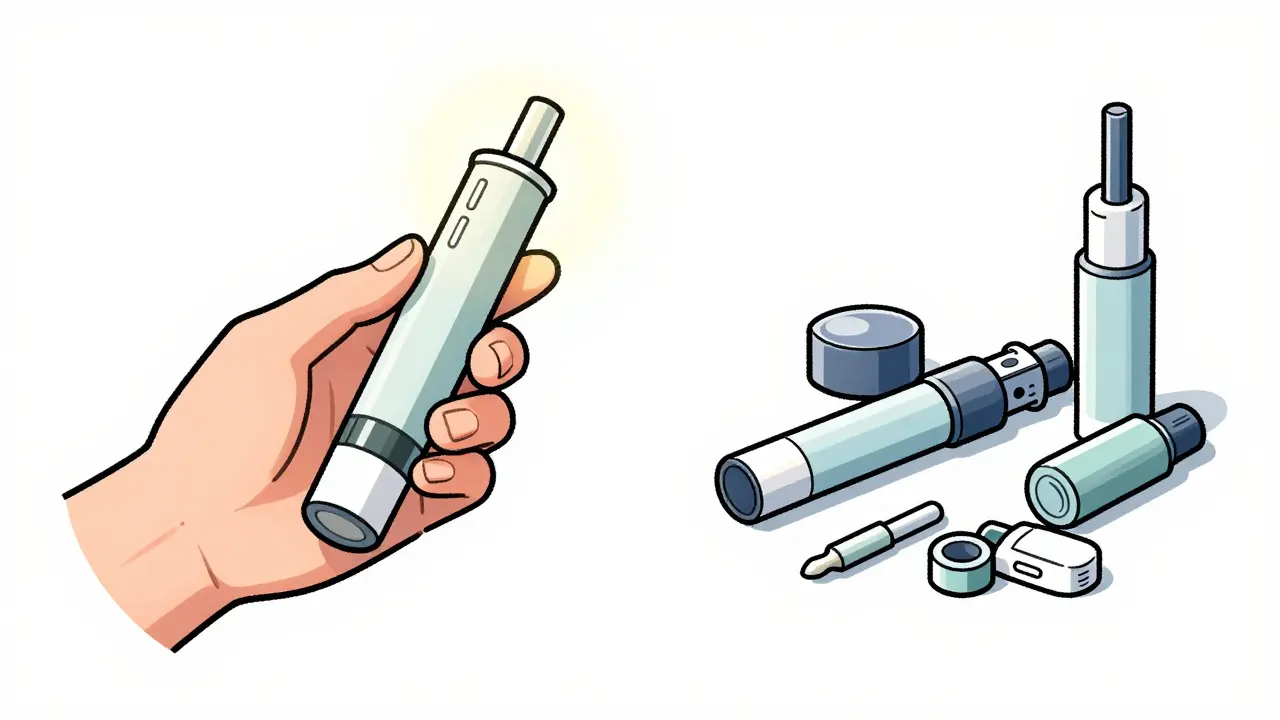
To understand the benefits, we first need to define what we are talking about. The U.S. Food and Drug Administration (FDA) defines combination products as therapeutic and diagnostic products that combine drugs, devices, and/or biological products. Think of a prefilled insulin pen. It contains the drug (insulin) and the device (the pen mechanism) in one unit. Or consider a drug-eluting stent used in heart surgery, which combines a metal scaffold (device) with medication released directly into the artery.
A generic combination product is the equivalent version of these branded items. It enters the market after the original patent expires. However, creating a generic combination product is harder than making a generic pill. Manufacturers must prove two things: that the drug component works exactly like the brand name (bioequivalence), and that the device part functions identically. For example, if a brand-name auto-injector requires 10 Newtons of force to activate, the generic must meet that same standard. The goal is to ensure that patients get the same therapeutic benefit without paying premium prices.
The Compliance Advantage: Why Simpler Works Better
The biggest advantage of combination products, whether brand or generic, is improved patient compliance. Medical jargon calls it "adherence," but really, it means people actually take their medicine as prescribed. Studies show that when treatments are complex, adherence drops. If you have to mix three separate medications or assemble a syringe before every dose, mistakes happen.
Combination products solve this by integrating multiple therapies into one step. Research indicates that using combination products can improve medication adherence rates by 15-25% compared to managing multiple separate products for the same condition. When you reduce the number of steps, you reduce the chance of error. A patient switching from vials and syringes to a prefilled pen might see dosing errors drop from several times a week to almost zero. This simplicity is preserved in generic versions. You still get the ease of use, just at a lower price point.
| Approach | Adherence Rate Impact | Cost Factor | User Error Risk |
|---|---|---|---|
| Brand-Name Combination Product | High (+15-25%) | Very High | Low |
| Generic Combination Product | High (+15-25%) | Low (30-80% cheaper) | Low |
| Separate Drugs & Devices | Lower (-26% if dosing increases) | Variable | High (12-18% assembly errors) |
| Multi-Pill Regimen | Lowest | Moderate | Moderate |
Financial Relief Without Compromising Care
Cost is a major barrier to health. According to FDA research, about 23.4% of patients skip doses because they cannot afford their medication. Generic combination products address this head-on. They typically cost 30-80% less than their brand-name counterparts. This price drop makes long-term management of chronic diseases like diabetes or hypertension much more sustainable.
You might wonder if the lower price means lower quality. It does not. Regulatory bodies require rigorous testing. For the drug part, the generic must fall within 80-125% of the reference product’s pharmacokinetic parameters. For the device, failure rates must stay below 0.1% in simulated use studies. So, you are getting the same safety and efficacy profile, just without the marketing markup of the brand name.
Navigating the Switch: Potential Challenges
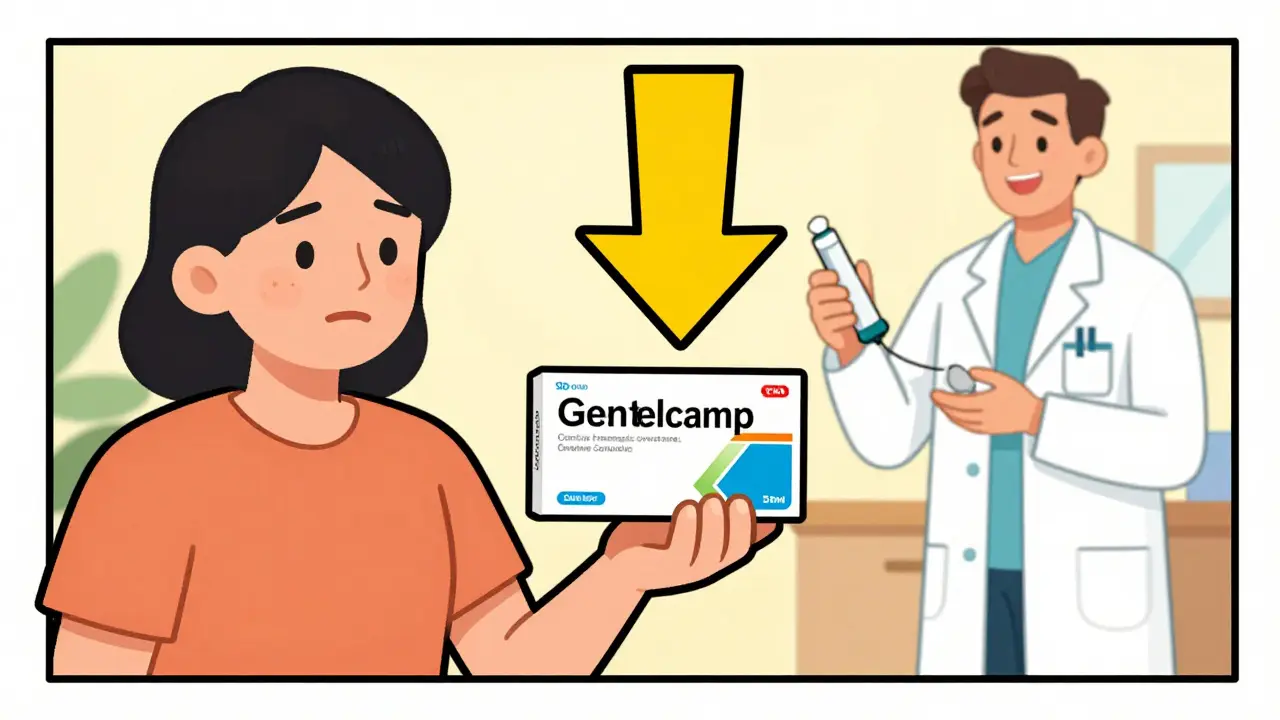
While the benefits are clear, switching to generics is not always seamless. One common issue is confusion during pharmacy substitution. You might receive different generic versions of the same medication over time. Each manufacturer may design their device slightly differently. For instance, some inhalers require a slow, deep breath, while others need a quick, sharp inhale. If you switch brands without realizing the technique has changed, you might miss your dose.
This is particularly true for complex delivery systems. Dr. Sarah Ibrahim of the FDA notes that patients may be switched to multiple generics of the same brand-name product over a year, adding to confusion. To mitigate this, always check the packaging. Look at the device instructions. If something looks different from what you had before, ask your pharmacist or doctor for a quick demo. Proper counseling can increase adherence rates by 17-22%, turning a potential pitfall into a smooth transition.
Real-World Examples: From Pens to Patches
Let’s look at specific examples to see how this plays out in daily life. Prefilled insulin pens are a prime example. They integrate precision delivery with the drug, allowing dose accuracy within ±5%. Users report that eliminating the preparation step reduces anxiety and errors. Another example is transdermal patches, like those used for smoking cessation. They deliver nicotine steadily through the skin, removing the need for hourly gum chewing or lozenge sucking. Generic versions of these patches offer the same steady-state delivery at a fraction of the cost.
In cardiovascular care, drug-eluting stents release medication directly at the site of a blockage, reducing restenosis risk by 30-40% compared to bare-metal stents. Generic versions of these stents must replicate this performance. While patients don’t choose their stent type directly, hospitals often prefer generics due to cost savings, ensuring wider access to advanced treatments.
Market Trends and Future Outlook
The market for combination products is growing rapidly. Valued at $127.5 billion in 2022, it is projected to reach $258.3 billion by 2030. Chronic disease management drives this growth, with diabetes products alone accounting for 28% of the market. As patents expire, we will see more generic options entering the field. The Inflation Reduction Act of 2022 has accelerated this process by introducing new incentives and Medicare price negotiations.
Regulatory pathways are also evolving. The FDA has issued draft guidance on demonstrating substitution for generic combination products, aiming to standardize approvals. This should reduce the timeline for generic entry, which currently averages 18-24 months longer than for standalone drugs. Expect to see more competition, which means even better prices and potentially more innovative delivery mechanisms for generic products in the coming years.
Are generic combination products as safe as brand names?
Yes. The FDA requires generic combination products to demonstrate bioequivalence for the drug component and identical performance standards for the device component. Failure rates for generics must be below 0.1% in simulated studies, ensuring they are just as safe and effective as brand-name versions.
Why do I feel confused when my pharmacy switches my medication?
Different manufacturers may design their devices with slight variations in mechanism or technique. For example, inhalers might require different breathing patterns. This confusion is common during generic substitution. Always consult your pharmacist for a brief demonstration if the device looks or feels different.
How much money can I save with generic combination products?
Generic combination products typically cost 30-80% less than their brand-name equivalents. This significant reduction helps address the financial barrier that causes nearly a quarter of patients to skip doses.
Do generic combination products improve medication adherence?
Yes. By simplifying treatment regimens into single units, combination products can improve adherence rates by 15-25% compared to managing multiple separate products. Generic versions maintain this compliance advantage while lowering costs.
What is the future of generic combination products?
The market is expected to grow significantly, reaching $258.3 billion by 2030. Regulatory changes like the Inflation Reduction Act and streamlined FDA guidance are accelerating the approval of generic versions, leading to more choices and competitive pricing for patients.




Justina Ingram on 16 May 2026, AT 23:29 PM
finally someone talks about the actual cost savings instead of just marketing fluff :)