Heart Medication Safety Checker
Check Your Medication Safety
Enter medications you're currently taking. This tool identifies dangerous combinations and provides safety guidance based on heart-specific risks.
Results
DANGEROUS COMBINATIONS FOUND:
SAFE COMBINATIONS:
When you're managing heart disease, taking multiple medications isn't just common-it's often necessary. But every extra pill you swallow increases your risk of something dangerous: a drug interaction. These aren't theoretical risks. They're real, measurable, and sometimes deadly. A 2019 study found that nearly 8 out of 10 heart patients on multiple drugs were at risk of a dangerous interaction. And if you're on seven or more medications? Your risk jumps to over 80%.
Why Heart Medications Are Especially Risky
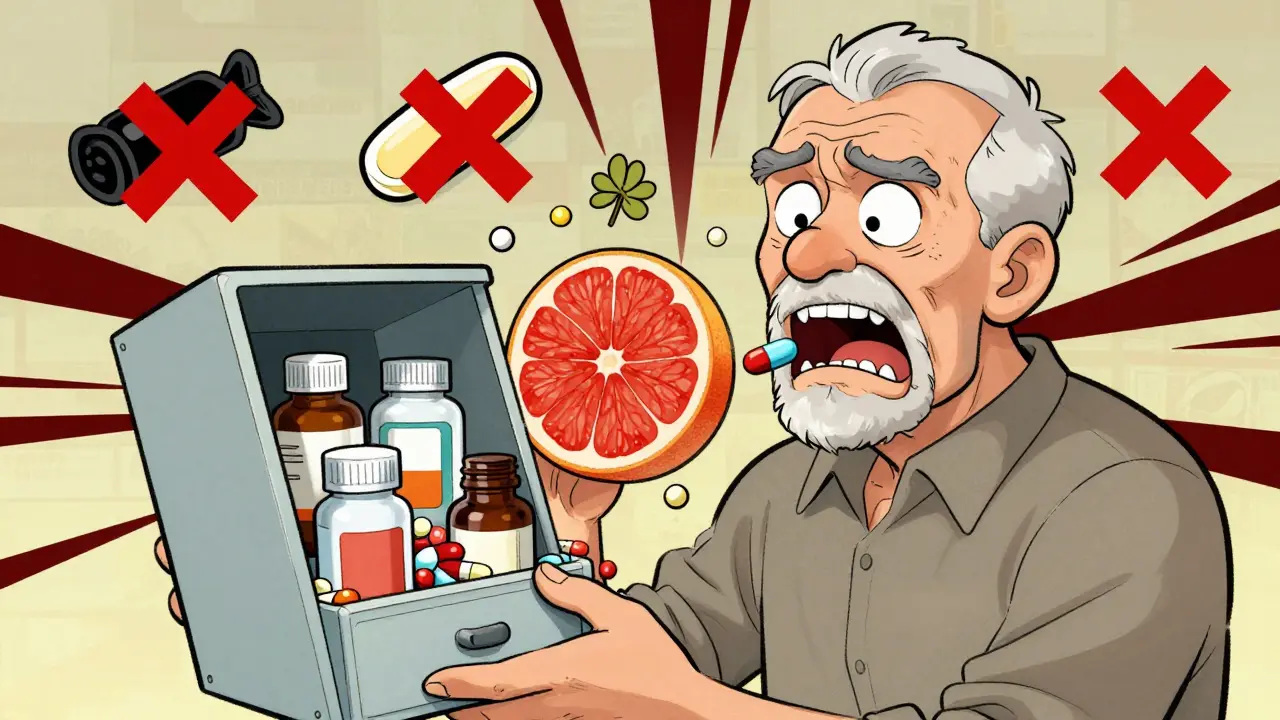
Heart drugs don't play nice with much. They're designed to work precisely-too little and they don't help; too much and they cause harm. Many are processed by the same liver enzymes, especially CYP3A4. When two drugs use the same pathway, they compete. One can block the other, causing toxic buildup. Or it can speed things up, making the drug useless.Take statins, for example. These cholesterol-lowering drugs save lives. But when you drink grapefruit juice-just one quart a day-you're not just having breakfast. You're blocking the enzyme that breaks down statins. That means your blood levels of the drug can spike by nearly 50%. The result? Muscle damage, kidney failure, even death. The FDA says this isn't a myth. It's a documented danger.
Top 5 Dangerous Combinations You Must Avoid
- Statin + Grapefruit Juice: As mentioned, this combo can cause rhabdomyolysis. Even a small amount of juice can trigger it. Avoid all forms: whole fruit, juice, even frozen concentrate.
- Beta Blockers or Calcium Channel Blockers + Black Licorice: Natural black licorice contains glycyrrhizin, which raises blood pressure and lowers potassium. When taken with heart meds, it can undo their effects and trigger dangerous arrhythmias.
- Anticoagulants (like warfarin) + NSAIDs (ibuprofen, naproxen): These painkillers thin your blood too. Together, they can cause internal bleeding. A single ibuprofen can reduce the effectiveness of blood pressure meds and spike your risk of stroke or heart attack.
- St. John’s Wort + Any Heart Medication: This popular supplement speeds up how fast your body clears drugs. It can drop blood levels of beta blockers, statins, and even blood thinners to near-zero. You think you're taking your medicine-you're not.
- Alcohol + All Heart Medications: Alcohol doesn't just affect your liver. It lowers blood pressure, slows heart rate, and interferes with drug metabolism. Combine it with blood pressure meds, and you risk fainting. With diuretics? Severe dehydration. With antiarrhythmics? Life-threatening irregular rhythms.
Over-the-Counter Pills Are Not Safe
Many people think OTC means harmless. That's a deadly mistake. Cold medicines, pain relievers, and even antacids can sabotage your heart treatment.Antihistamines like diphenhydramine (Benadryl) can cause QT prolongation-a heart rhythm disorder that can turn fatal. Decongestants like pseudoephedrine (Sudafed) raise blood pressure and heart rate, directly opposing the purpose of your heart meds. Antacids? They can block absorption of digoxin, beta blockers, and even antibiotics used for heart infections.
A 2023 study from Rush University found that nearly half of all dangerous interactions in heart patients came from OTC drugs and supplements. Not prescriptions. Not illegal substances. Stuff you bought without a prescription.
How Polypharmacy Is Harming Older Adults
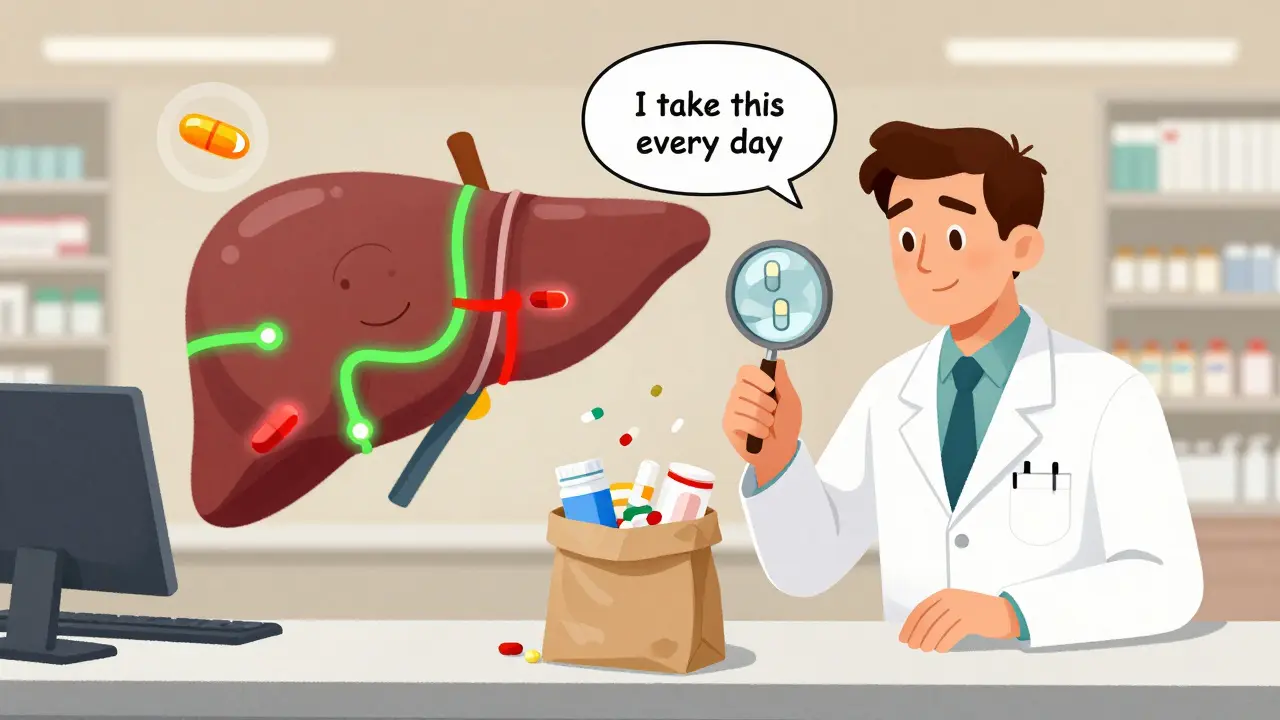
If you're over 65 and taking heart meds, you're in the highest-risk group. About 40% of patients with dangerous drug interactions in one major study were older adults. Why? Because aging changes how your body processes drugs. Your liver slows down. Your kidneys filter less. Your gut absorbs differently.And it's not just the drugs. Many seniors take supplements for joint pain, memory, or sleep. Turmeric, ginkgo, garlic-all can thin the blood. Fish oil? It can interfere with warfarin. Vitamin K? It cancels out blood thinners.
One study from the University of Rochester found that 92% of older adults with cancer were on multiple drugs-and nearly one in five had a serious interaction. Heart patients? The numbers are even worse. Polypharmacy doesn't just cause side effects. It leads to falls, confusion, hospitalizations, and death.
What You Can Do to Stay Safe
- Use one pharmacy: All your prescriptions-heart meds, antibiotics, even your allergy pills-should come from the same place. Pharmacies have software that flags dangerous combos. But only if they have your full list.
- Do a brown bag review: Once a year, bring every bottle, pill, capsule, and supplement you take to your doctor. Include the ones you don't take anymore. Don't assume they remember. Bring the list. Bring the bottles.
- Ask about alternatives: If you're on five or more drugs, ask: Is there a safer combo? A single pill that does two jobs? A non-drug option? Many heart patients can safely reduce their meds with lifestyle changes.
- Keep an updated list: Write down every medication, dose, and reason you take it. Update it after every doctor visit. Carry it in your wallet. Share it with your emergency contacts.
- Never start a supplement without asking: Even if it's "natural," it can kill. St. John’s wort, ginseng, echinacea-they all interfere with heart drugs.
Why Electronic Systems Still Miss the Mark
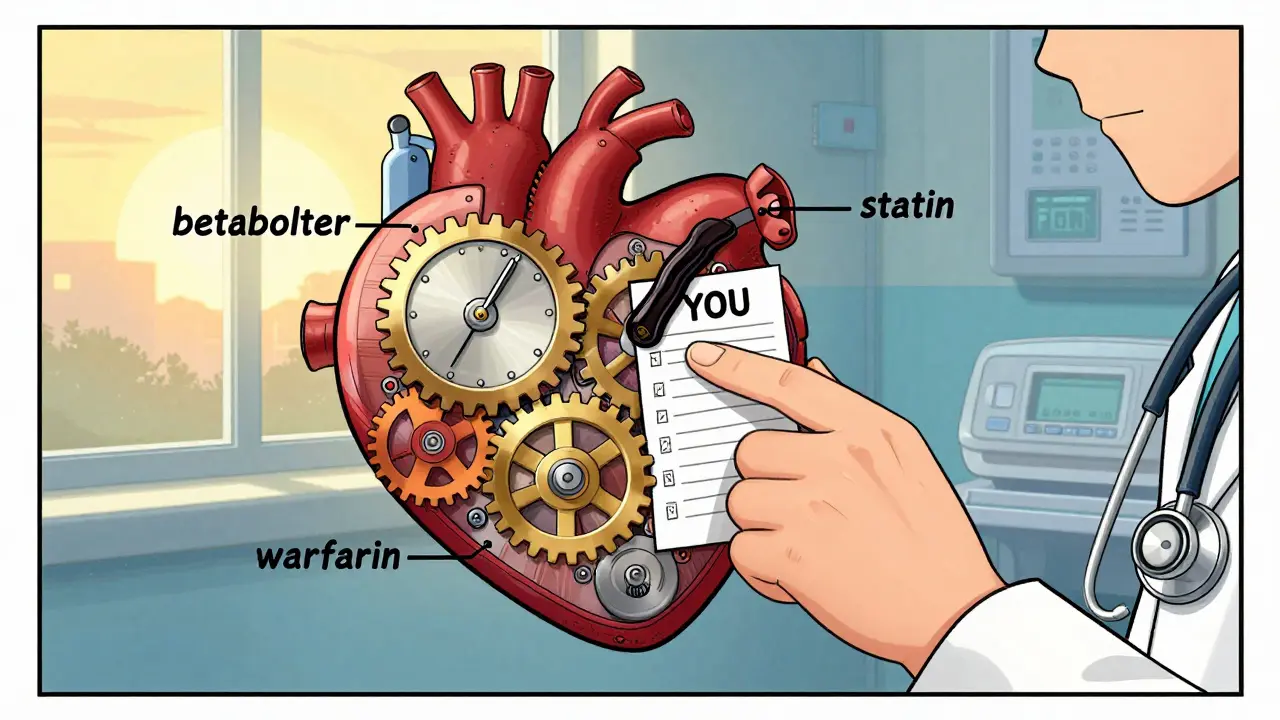
You'd think hospitals and pharmacies have this figured out. But even the best electronic systems miss about 23% of dangerous interactions. Why? Because they don't know your full story. They don't know you take turmeric for arthritis. They don't know you drink grapefruit juice every morning. They don't know you're 78 and your kidneys are slowing down.Doctors rely on these systems. But they're not perfect. That's why your own vigilance matters more than any algorithm. You're the only one who knows your habits. You're the only one who can say: "I take this every day." That's the missing piece.
When to Call Your Doctor Immediately
If you're on heart meds and notice any of these, call your doctor right away:- Unexplained muscle pain or weakness (especially with dark urine)
- Sudden dizziness or fainting
- Irregular heartbeat or chest tightness
- Swelling in your legs or ankles
- Bruising or bleeding that won't stop
- Confusion or memory lapses
These aren't "wait and see" symptoms. They're warning signs. A muscle ache could be rhabdomyolysis. A dizzy spell could be a dangerous drop in blood pressure. Don't wait. Don't assume it's "just aging."
The Real Cost of "Just One More Pill"
It's easy to think: "One more pill won't hurt." But every medication adds risk. And the risk doesn't grow linearly-it grows exponentially. One extra pill? Maybe a 2% increase in risk. Three extra pills? 15%. Seven? Over 80%.There's no magic number. But there's a pattern: the more pills, the higher the danger. And for heart patients, that danger is often silent until it's too late.
You're not being paranoid. You're being smart. Your heart isn't just a pump. It's a delicate system. And the drugs that help it can also break it-if you're not careful.
Can I still drink grapefruit juice if I take a statin?
No. Even small amounts of grapefruit juice can block the enzyme that breaks down statins, causing dangerous buildup in your blood. This can lead to muscle damage, kidney failure, or death. Avoid all grapefruit products-juice, fruit, and even flavored foods or supplements.
Is it safe to take ibuprofen with my blood pressure medication?
No. Ibuprofen and other NSAIDs can reduce the effectiveness of blood pressure drugs and increase your risk of kidney damage, heart attack, and stroke. If you need pain relief, talk to your doctor about acetaminophen (Tylenol) or other safer options.
Can St. John’s wort make my heart medication stop working?
Yes. St. John’s wort speeds up how fast your liver breaks down many heart medications, including beta blockers, statins, and blood thinners. This can cause your drug levels to drop to ineffective levels, putting you at risk for heart attack, stroke, or worsening heart failure.
Should I stop taking my heart meds if I start feeling better?
Never stop or change your heart medications without talking to your doctor. Feeling better doesn’t mean your condition is gone. Stopping suddenly can cause rebound high blood pressure, dangerous arrhythmias, or heart failure. Always consult your provider before making changes.
How can I avoid dangerous interactions with supplements?
Always tell your doctor and pharmacist about every supplement you take-even ones you only use occasionally. Common culprits include garlic, ginkgo, fish oil, turmeric, and vitamin E. These can thin your blood, interfere with heart rhythm, or alter how your body processes your medications.


Brandie Bradshaw on 28 February 2026, AT 05:50 AM
Every time someone says 'one more pill won't hurt,' I think of my mother. She took statins, a beta blocker, and a daily grapefruit smoothie. She didn't die from heart failure. She died from a liver enzyme that couldn't keep up. There's no heroic narrative here. Just biology. And it doesn't care how much you believe in natural remedies.Pharmacies flag interactions, sure. But they don't ask if you're swallowing turmeric capsules because your cousin swears it cures arthritis. They don't know you skip your blood pressure meds on weekends because you 'feel fine.' They don't know you're 74 and your kidneys are 40% gone. Only you know that. And if you don't tell anyone, no algorithm will save you.