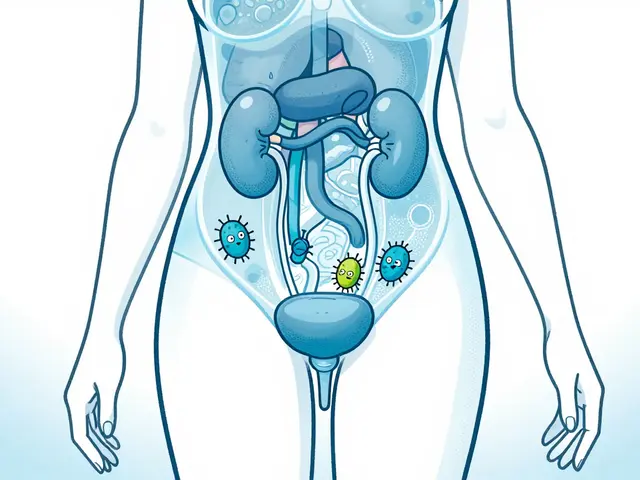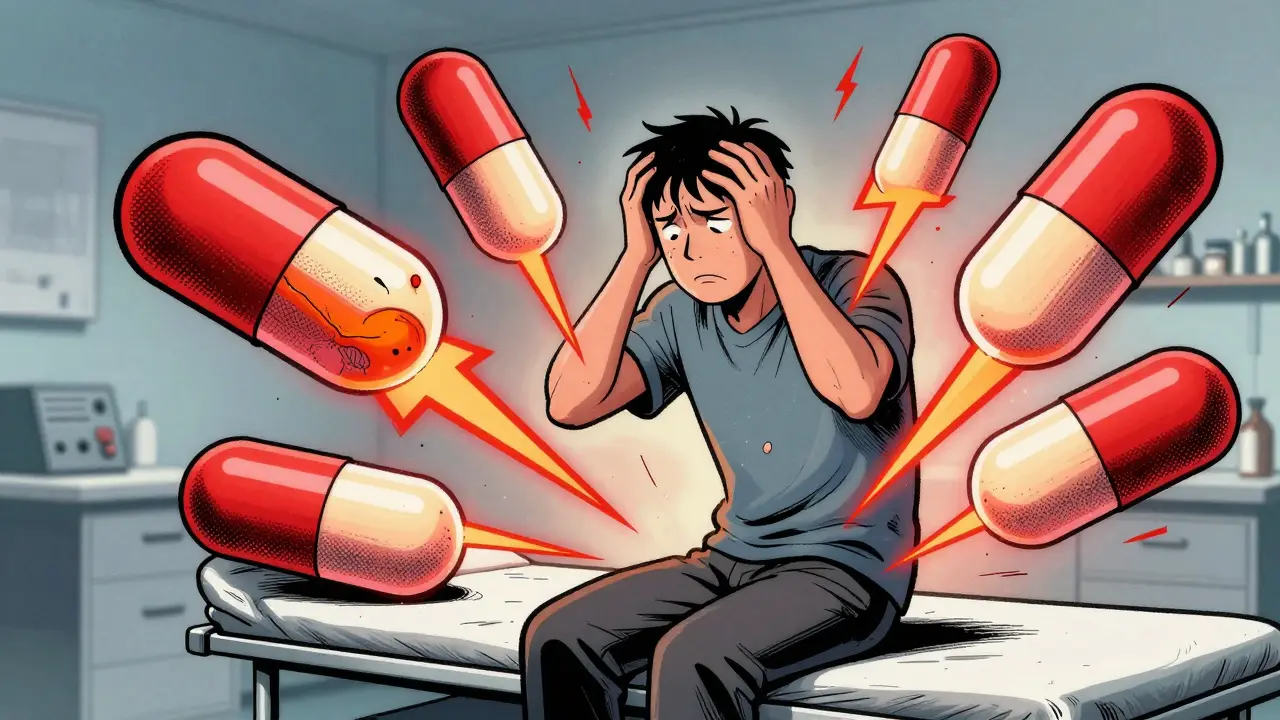
Imagine taking more pain medication, only to feel the pain getting worse. It sounds counterintuitive, almost impossible. Yet, for a significant number of patients on long-term opioid therapy, this is their reality. This phenomenon is called Opioid-Induced Hyperalgesia, often abbreviated as OIH. It is a state where exposure to opioids actually sensitizes your nervous system to pain, making you more sensitive to painful stimuli rather than less. This isn't just 'tolerance,' where the drug stops working and you need a higher dose. In OIH, increasing the dose makes the pain spike. Recognizing this difference is critical because treating it like standard tolerance-by simply adding more pills-can trap patients in a vicious cycle of worsening pain and higher addiction risk. Let's break down how to spot this condition and what modern medicine recommends to fix it.
What Exactly Is Opioid-Induced Hyperalgesia?
To understand OIH, we first have to distinguish it from two other common conditions: disease progression and pharmacological tolerance. Disease progression means the underlying injury or illness is getting worse. Tolerance means your body has adapted to the drug, so you need more of it to get the same effect. Neither of these explains why a patient feels pain in areas that were never injured before, or why light touch feels like burning.
Opioid-Induced Hyperalgesia is defined as a paradoxical increase in pain sensitivity caused by the very drugs meant to stop it. First documented scientifically in 1971 by Eddy et al. in rat studies, OIH was initially seen as a laboratory curiosity. Today, clinical data suggests it affects approximately 2% to 15% of chronic opioid users. According to the Palliative Care Network of Wisconsin’s Fast Fact #142 (updated September 2024), OIH is characterized by three main signs:
- Increasing sensitivity to painful stimuli (hyperalgesia).
- Pain that becomes more diffuse, spreading beyond the original site of injury.
- Allodynia: experiencing pain from stimuli that shouldn't hurt, like the weight of a bedsheet or a gentle breeze.
The key differentiator? In tolerance, pain returns to baseline when the dose wears off. In OIH, the pain threshold drops globally. Your entire nervous system becomes 'amped up.'
Why Does This Happen? The Biology Behind the Pain
You might wonder how a painkiller can become a pain generator. The answer lies in neurobiology, specifically in how your brain and spinal cord process signals. While the exact mechanisms are still being studied, several pathways are now well-established.
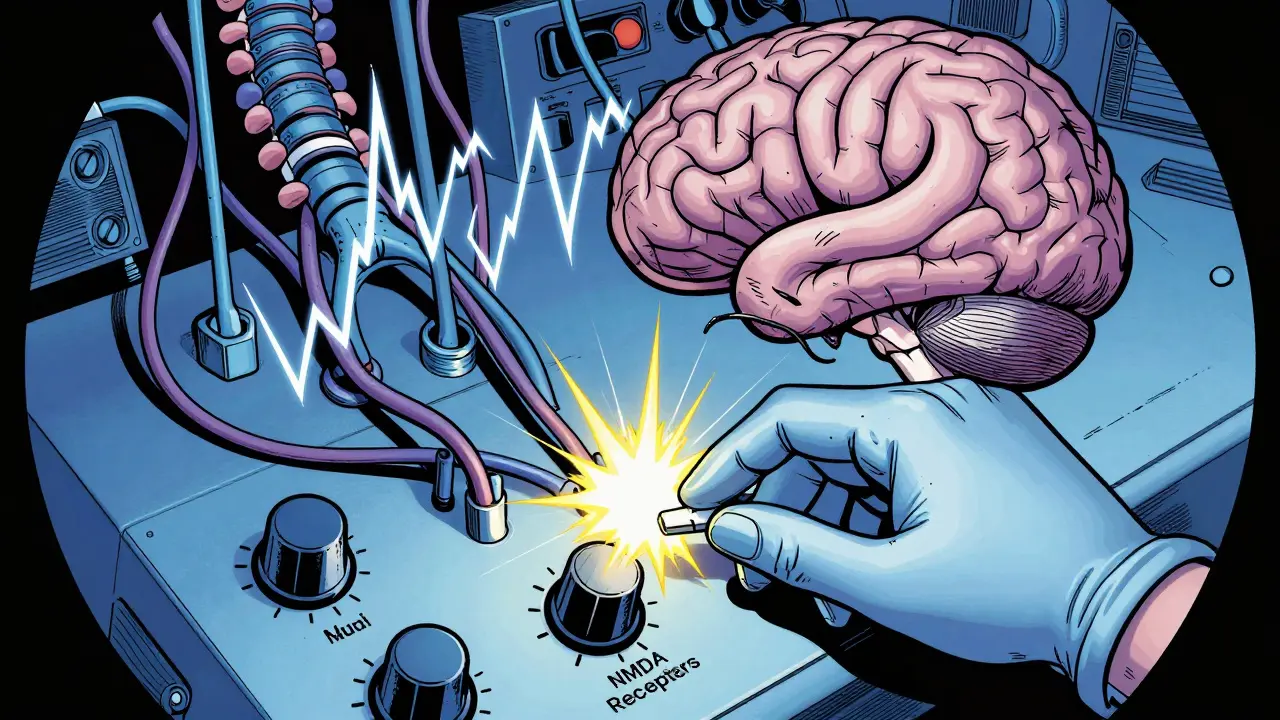
The most prominent theory involves the N-methyl-D-aspartate (NMDA) receptors. These receptors are part of the central nervous system's glutamatergic system. Normally, they help regulate pain signals. However, prolonged opioid use can activate these receptors, leading to central sensitization. Think of it like turning up the volume on a radio; even quiet noises (minor pain signals) become deafeningly loud.
Other contributing factors include:
- Toxic Metabolites: Drugs like morphine break down into metabolites such as morphine-3-glucuronide. In patients with renal failure, or even at high doses in healthy kidneys, these metabolites can accumulate and cause neurotoxicity, heightening pain sensitivity.
- Dynorphin Activity: Opioids can trigger the release of dynorphins in the spinal cord. Dynorphins are neuropeptides that actually facilitate pain transmission, counteracting the opioid's analgesic effect.
- Genetic Factors: Variations in the catechol-O-methyltransferase (COMT) enzyme can make some individuals genetically predisposed to developing OIH. If your body clears certain neurotransmitters slower, you may be more susceptible to this sensitization.
Understanding these mechanisms is crucial because it points directly to the solution: if NMDA activation is the problem, blocking it should be the cure.
Recognizing OIH: Symptoms and Diagnostic Challenges
Diagnosing OIH is tricky. It is considered a 'diagnosis of exclusion,' meaning doctors must rule out other causes first. You cannot simply run a blood test for OIH. Instead, clinicians look for specific patterns.
Dr. Stephan Schug, a leading pain specialist at the University of Sydney, notes that OIH should not be the first diagnosis, but it must be suspected when standard treatments fail. Here are the red flags that suggest OIH rather than tolerance or disease progression:
- Diffuse Pain Spread: The pain expands beyond the original injury site. For example, a patient with lower back pain starts feeling widespread soreness in their limbs and torso.
- Allodynia: Patients report pain from non-painful touches. This is a hallmark of central sensitization.
- Worsening Pain with Dose Escalation: Every time the doctor increases the opioid dose, the patient reports increased pain intensity within hours or days.
- Timeframe: Symptoms typically emerge after 2 to 8 weeks of continuous opioid therapy, though they can occur earlier in susceptible individuals.
Quantitative Sensory Testing (QST) can sometimes help. This involves measuring pain thresholds before and after opioid administration. In OIH patients, the pain threshold decreases significantly after taking the drug. Additionally, the Opioid-Induced Hyperalgesia Questionnaire (OIHQ), validated in a 2017 study, offers an 85% sensitivity rate for screening potential cases.
Managing OIH: Breaking the Cycle
If you suspect OIH, the instinctive reaction might be to add more medication. Do not do this. The primary treatment strategy is counterintuitive: you must reduce or remove the offending agent.
According to guidelines from the American Pain Society and clinical reviews by Angst & Clark (2006), management focuses on four pillars:
1. Opioid Rotation and Reduction
The most effective step is tapering the current opioid. The Palliative Care Network of Wisconsin recommends reducing the dose by 10-25% every 2-3 days. Rapid cessation can cause withdrawal, which mimics OIH symptoms, so a slow taper is essential. Alternatively, switching to a different opioid class can help. Methadone is often preferred because it acts as an NMDA receptor antagonist, potentially reversing the sensitization while providing pain relief.
2. NMDA Receptor Modulators
Since NMDA activation drives OIH, blocking these receptors is a direct treatment. Ketamine is the gold standard here. Used at sub-anesthetic doses (typically 0.1-0.5 mg/kg/hour), ketamine can rapidly reverse OIH. Other options include low-dose infusions or intranasal formulations, depending on clinical setting.
3. Adjunct Medications
Other drugs target the broader pain pathway:
- Gabapentinoids: Gabapentin (300-1800 mg three times daily) or pregabalin can dampen central sensitization.
- Alpha-2 Agonists: Clonidine (0.1-0.3 mg twice daily) helps reduce sympathetic nervous system overactivity associated with pain.
4. Non-Pharmacological Therapies
Cognitive Behavioral Therapy (CBT) and physical therapy are vital. They help patients manage pain perception without relying solely on chemicals. CBT addresses the anxiety and fear surrounding pain, which can exacerbate the central sensitization loop.
Comparison: OIH vs. Tolerance vs. Withdrawal
| Feature | Opioid-Induced Hyperalgesia (OIH) | Opioid Tolerance | Opioid Withdrawal |
|---|---|---|---|
| Pain Response to Dose Increase | Pain worsens | Pain improves temporarily | Pain may improve, but accompanied by flu-like symptoms |
| Pain Distribution | Diffuse, spreads beyond original site | Localized to original site | Generalized body aches |
| Allodynia | Common (pain from light touch) | Absent | Uncommon |
| Primary Mechanism | Central sensitization (NMDA activation) | Receptor downregulation | Absence of opioid binding |
| Treatment Strategy | Reduce dose, switch opioid, add NMDA antagonists | Increase dose or rotate opioid | Re-introduce opioid or taper slowly |
Future Directions and Clinical Outlook
The medical community is paying closer attention to OIH. As of 2024, 78% of pain management fellowships include OIH in their curriculum, up from just 30% in 2010. The FDA updated labeling requirements in 2022 to explicitly warn about OIH risks with long-acting opioids.
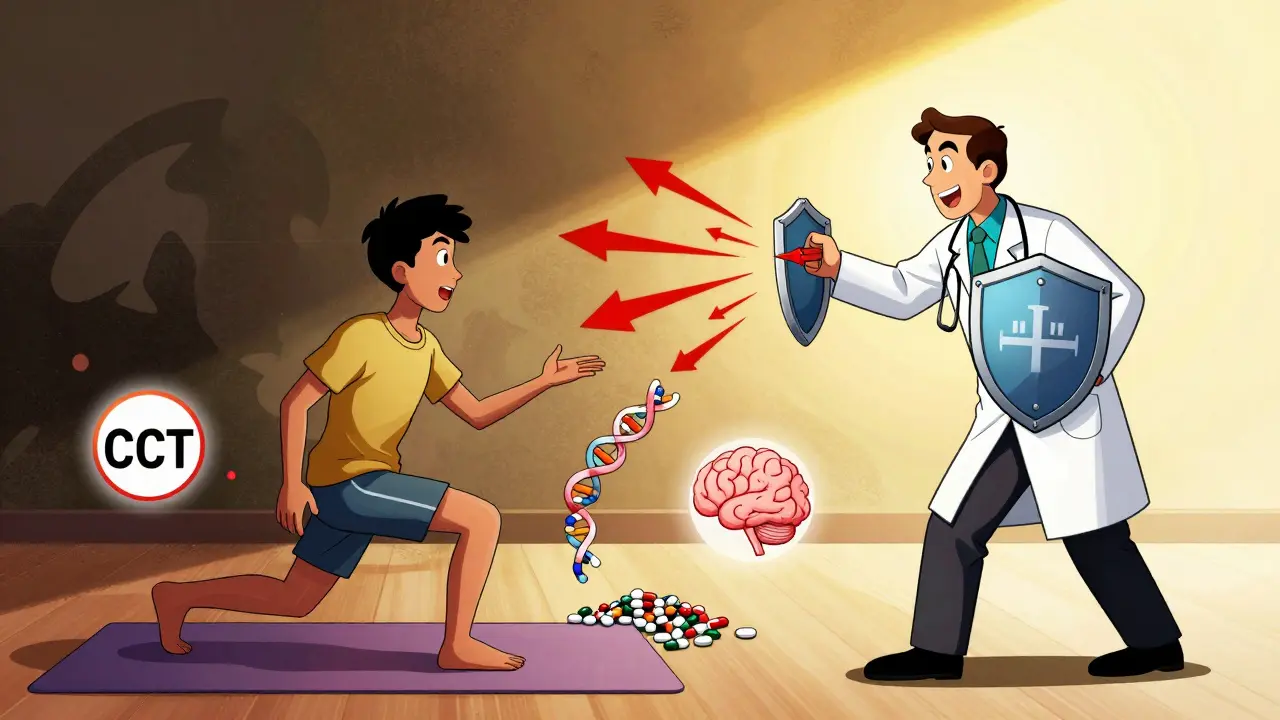
Research is moving toward genetic testing. Scientists are investigating COMT polymorphisms to identify patients who are genetically prone to OIH before they start therapy. Two commercial genetic tests are expected to launch in mid-2025, which could allow for personalized pain plans that avoid high-risk opioids for susceptible individuals.
Furthermore, new pharmaceutical compounds targeting NMDA receptors are in Phase II/III trials. These aim to provide the benefits of ketamine without the dissociative side effects, making OIH management easier in outpatient settings.
Frequently Asked Questions
How long does it take for Opioid-Induced Hyperalgesia to resolve?
Resolution times vary, but clinical improvement is typically observed within 2 to 4 weeks of dose adjustment or opioid rotation. Complete resolution of allodynia and diffuse pain may take 4 to 8 weeks. Patience is key during the tapering process, as initial reduction can temporarily increase discomfort before the nervous system resets.
Can I develop OIH from short-term opioid use?
While OIH is more commonly associated with long-term use, it can occur after short-term exposure, particularly with high parenteral doses (e.g., IV morphine >300mg/day) or in patients with renal impairment. However, the risk is significantly lower compared to chronic users. Most cases reported in literature involve patients on opioids for more than 2-8 weeks.
Is methadone safe for treating OIH?
Methadone is often effective for OIH because it blocks NMDA receptors in addition to activating opioid receptors. However, it requires careful monitoring due to its long half-life and risk of accumulation. It should only be managed by a clinician experienced in complex pain management and opioid rotation protocols.
Does stopping opioids permanently cure OIH?
In many cases, yes. Removing the sensitizing agent allows the nervous system to return to baseline sensitivity. However, some patients may have residual central sensitization that requires adjunct therapies like gabapentin or CBT to fully manage. Re-exposure to opioids later in life could potentially trigger OIH again, especially if genetic predispositions exist.
What is the role of genetics in OIH?
Genetics play a significant role, particularly variations in the COMT enzyme gene. Individuals with certain COMT polymorphisms clear catecholamines less efficiently, making them more susceptible to central sensitization. Emerging genetic tests aim to identify these markers pre-treatment, allowing doctors to choose alternative pain strategies for high-risk patients.