Ever wondered why some cancer centers talk about “proton beam therapy” instead of regular radiation? It’s not magic – it’s a precise way to zap tumors while sparing healthy tissue. In this guide we break down how it works, who can benefit, and what you might feel during the process.
How Proton Beam Therapy Works
Traditional radiation uses X‑rays that travel through the body and deposit energy along the whole path. Proton beams are different because they stop at a chosen depth – a point called the Bragg peak. Think of it like a bullet that only hits the target and then drops dead, leaving the surrounding area untouched.
During a treatment session, a machine called a cyclotron or synchrotron speeds up protons to high energies. Those protons are guided through magnets and aimed at the tumor from several angles. By changing the beam’s energy, doctors can control exactly how deep it goes. The result is a high dose to the tumor and a low dose elsewhere.
Before the first session, a CT or MRI scan maps the tumor’s size and shape. A team of physicists, radiation oncologists, and dosimetrists then creates a customized plan. The plan tells the machine where to fire, how strong, and how long each shot should be.
Pros, Cons, and What to Expect
Why choose proton therapy? The biggest upside is less damage to nearby organs. For kids, brain tumors, or cancers near the spine, that can mean fewer side effects and a better chance of keeping normal function. Some studies show lower rates of nausea, fatigue, and long‑term complications compared with conventional radiation.
On the flip side, proton centers are expensive to build, so treatment can cost more. Not every tumor type benefits – doctors usually reserve it for cases where precision matters most. Also, because the beam is so focused, treatment sessions may be slightly longer, often lasting 20‑30 minutes.
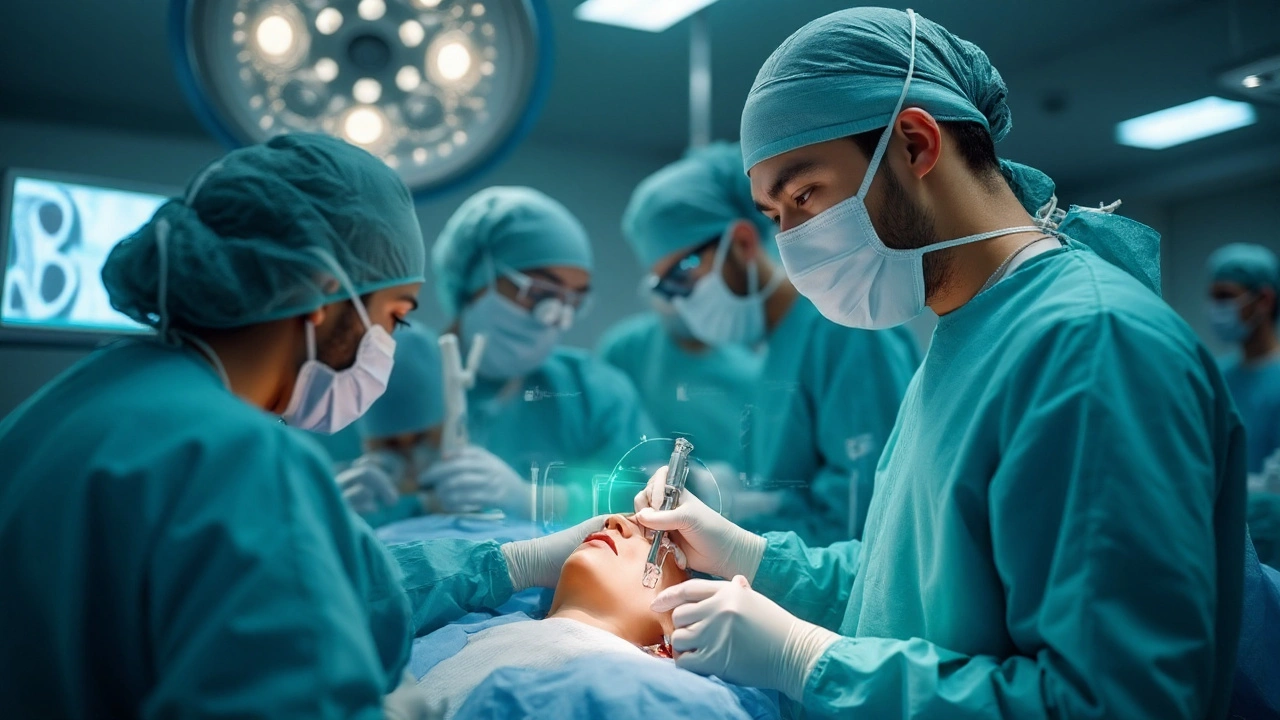
What will you feel? Most patients describe the treatment as painless. You lie on a table, a mask or cushions keep you still, and the machine moves around you. The beam itself doesn’t feel hot or sharp – it’s just invisible particles. Some people get mild skin redness or fatigue over the course of treatment, similar to regular radiation.
Typical proton therapy courses run five days a week for 1‑4 weeks, depending on the cancer’s size and location. Your doctor will schedule follow‑up scans to see how the tumor is responding and adjust the plan if needed.
If you’re considering proton therapy, ask your oncologist these questions: Is my tumor in a spot where proton precision matters? Will the potential side‑effect reduction outweigh the higher cost? How many sessions will I need, and how will they fit into my life?
Bottom line: proton beam therapy is a high‑tech option that can spare healthy tissue and reduce side effects for certain cancers. It isn’t a universal cure, but for the right patients it offers a smoother treatment experience. Talk with your care team, weigh the pros and cons, and decide if this focused form of radiation is the right fit for you.
What is new in eye cancer surgery in 2025? See vision-sparing techniques, risks, recovery timelines, UK access, and what to ask your surgeon before treatment.