Hemorrhoids and Travel: How to Stay Comfortable on the Go
Travel can be fun, but if you have hemorrhoids, the long rides and limited bathroom breaks can turn a vacation into a hassle. The good news is you don’t have to suffer. With a few smart habits and the right gear, you can keep pain low and enjoy the journey.
Pack the Right Supplies
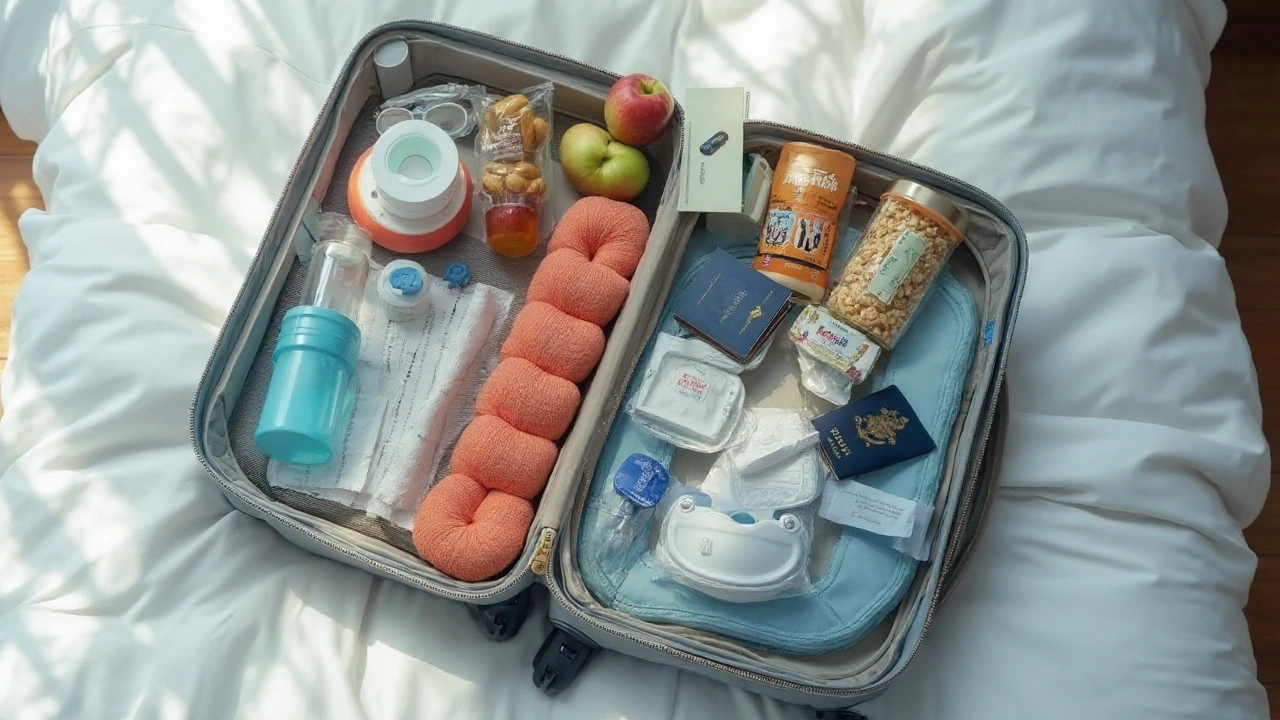
First, bring a small travel kit. Include a fragrance‑free wipes pack, a gentle soothing cream (like witch hazel or a low‑dose lidocaine ointment), and a soft, reusable toilet seat cushion. A compact over‑the‑counter stool softener (such as docusate sodium) helps keep stools soft without a prescription.
Place everything in a zip‑lock bag to avoid spills. If you’re flying, remember the 100 ml liquid rule—most creams are fine in a travel‑size container. Having these items at hand means you won’t scramble for a pharmacy once you’re on the road.
Mind Your Sitting Position
Long periods of sitting are a big trigger for hemorrhoid flare‑ups. On planes, trains, or cars, try to get up and stretch every hour. A simple walk down the aisle or a quick lap around the coach can lower pressure on the rectal veins.
If you can’t stand up often, use a donut‑shaped cushion or a soft pillow on your seat. Position the cushion so it relieves pressure without making you sit too low. Adjust the seat angle if possible; a slight recline eases pressure on the pelvic area.
Watch What You Eat and Drink
Fiber and water are your best friends. Pack a mix of high‑fiber snacks like nuts, dried fruit, or whole‑grain crackers. Carry a reusable water bottle and sip regularly—aim for at least eight glasses a day, more if you’re active.
Avoid caffeine and alcohol excess; they can dehydrate you and make stools harder. If you know you’re prone to constipation, add a small serving of a fiber supplement (like psyllium husk) to your routine.
Bathroom Hacks for Travelers
Public restrooms can be tricky. Look for a clean stall with a well‑maintained seat before you settle. If you’re nervous about germs, keep a travel‑size pack of wipes to clean the seat and handle.
When you feel the urge, don’t hold it. Delaying a bowel movement raises pressure and can worsen hemorrhoids. If you’re on a tight schedule, plan bathroom breaks around meals—usually 30 minutes after eating is a good window.
When to Take Meds and When to See a Doctor
For mild pain, a short course of an oral pain reliever (like ibuprofen) works well. Apply the cream you packed after each bathroom visit for extra comfort.
If you notice bleeding that won’t stop, severe pain, or a lump that keeps growing, book a doctor’s appointment soon. In most cases, a tele‑health consult can give you a prescription for a stronger topical or a brief course of a steroid ointment.
With these steps, hemorrhoids don’t have to ruin your travel plans. Pack smart, move often, stay hydrated, and keep your bathroom routine simple. You’ll arrive at your destination feeling better and ready to enjoy the trip.