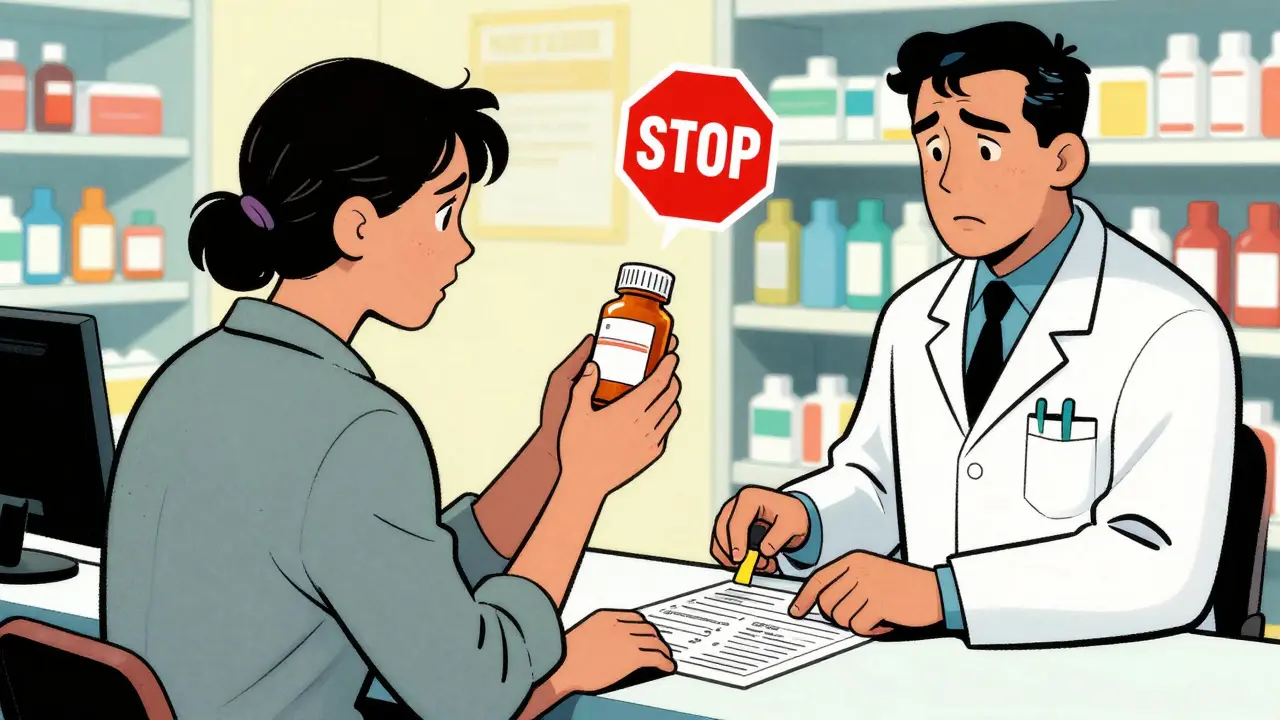
Imagine your doctor prescribes a life-saving medication. You take the prescription to the pharmacy, but the pharmacist calls you back with bad news: your insurance won’t cover it without a prior authorization. This is a common headache for many patients. But when the drug in question is a Narrow Therapeutic Index (NTI) medication, the stakes are significantly higher. For these specific drugs, small changes in dosage or formulation can lead to serious health consequences, including seizures or thyroid dysfunction. Understanding when and why insurers require brand-name versions of these drugs-and how to navigate the approval process-is crucial for patient safety.
What Are Narrow Therapeutic Index (NTI) Drugs?
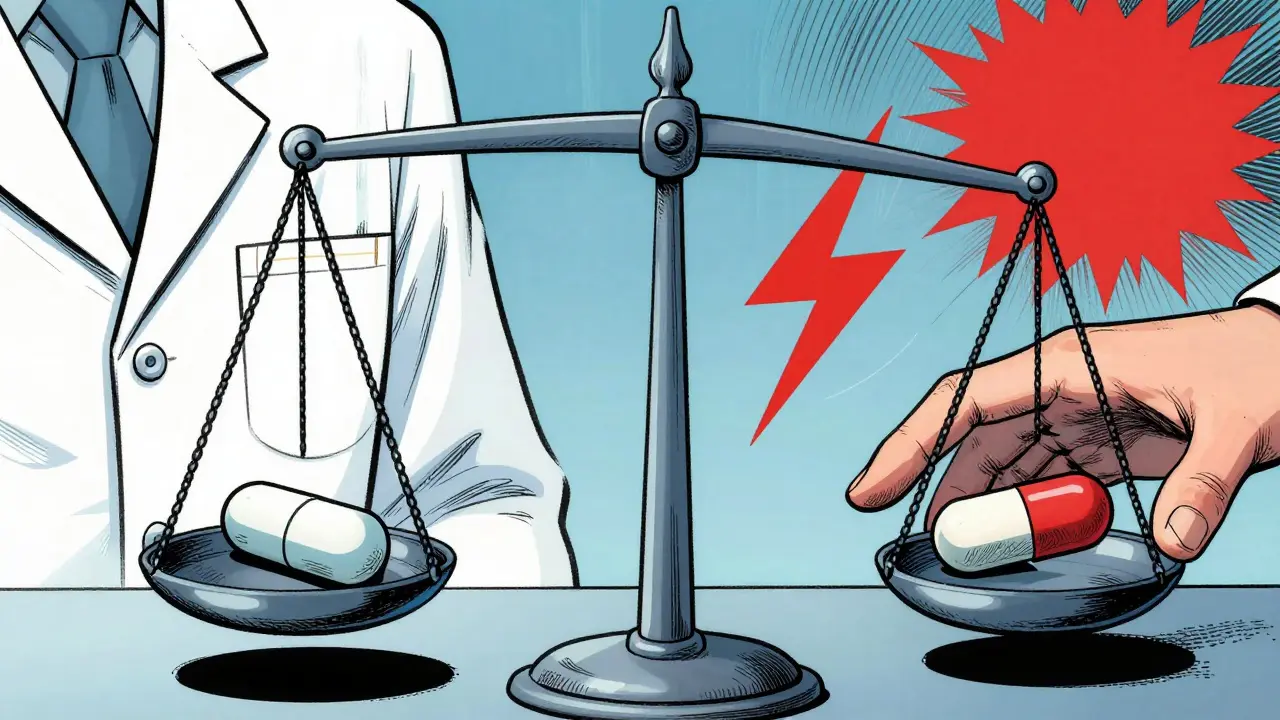
To understand the controversy around prior authorization for these medications, we first need to define what makes them unique. The FDA defines NTI drugs as those where "small differences in dose or blood concentration may lead to serious therapeutic failures." Unlike most medications, where switching from a brand-name drug to a generic alternative poses minimal risk, NTI drugs have a very narrow margin between being effective and becoming toxic.
This sensitivity means that even slight variations in how the drug is manufactured or absorbed by the body can cause problems. Common examples include:
- Phenytoin and Carbamazepine, used to treat epilepsy.
- Levothyroxine, used to manage hypothyroidism.
- Certain immunosuppressants used after organ transplants.
The DrugBank database lists approximately 37 medications in this category. Because of their delicate nature, consistency is key. Patients often need to stay on the exact same manufacturer’s version of the drug to maintain stable blood levels.
Why Do Insurers Require Prior Authorization?
Prior authorization is a utilization management tool used by insurance companies to control costs and ensure appropriate care. Typically, if a generic version of a drug exists, insurers will require you to try the generic first before they will pay for the more expensive brand-name version. This is known as "step therapy" or "fail-first" protocols.
However, NTI drugs complicate this model. While standard prior authorization aims to save money by promoting generics, applying this same logic to NTI drugs can be dangerous. As Dr. Michael Rea, CEO of RxRevu, noted in a 2023 interview, "Prior authorization for NTI drugs creates dangerous delays for patients who require immediate therapeutic consistency." For someone with epilepsy, a delay in getting their specific brand of anti-seizure medication could trigger a seizure.
Despite these risks, many insurers still apply standard prior authorization protocols to NTI drugs. This forces doctors to submit additional clinical information-such as lab results, diagnosis details, and weight-to prove that the brand-name drug is medically necessary. The Academy of Managed Care Pharmacy (AMCP) explains that this process is designed to obtain information not available during standard claims processing, ensuring the drug is safe and provides value.
How Different Insurers Handle NTI Drugs
Not all insurance plans treat NTI drugs the same way. There is significant variation across different types of coverage and providers.
| Insurance Type | Typical Policy | Key Exceptions/Variations |
|---|---|---|
| Commercial Insurance | Often requires PA for brand-name if generic exists. | Some plans, like Health Net, list NTI brands at a higher tier but waive prior approval requirements entirely. |
| Medicare Part D | Uses "coverage determination" processes. | Subject to federal response time rules; new laws aim for real-time electronic decisions. |
| Medicaid | Strict federal requirements for coverage exclusions. | Must respond within 24 hours; state laws vary significantly (e.g., North Carolina vs. Mississippi). |
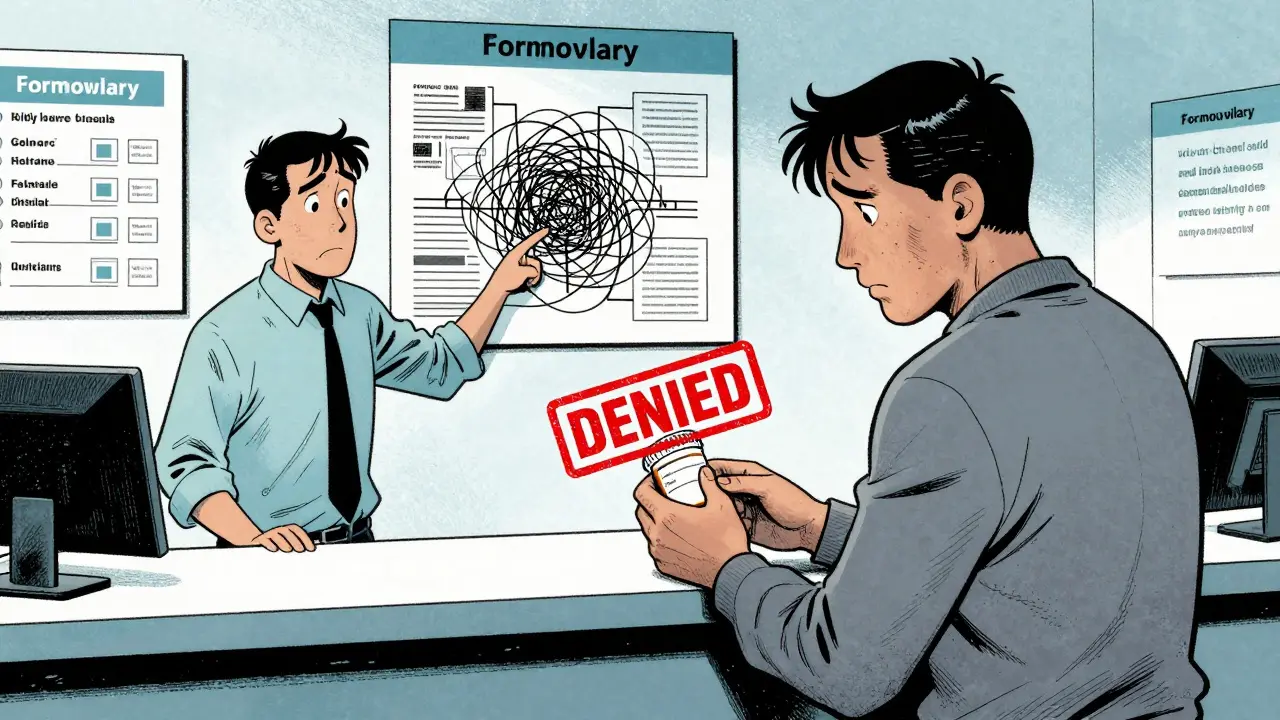
For example, Health Net has a policy stating that brand drugs with a narrow therapeutic index "may be listed on the Formulary at a higher tier and do not require prior approval." In contrast, other commercial insurers may strictly enforce step therapy, requiring patients to fail on a generic before approving the brand. Medicaid programs are bound by federal statutes that require any excluded drug to be covered through a prior authorization program, but the implementation varies by state. North Carolina, for instance, requires prior authorization for brand-name drugs marked as "medically necessary," while Mississippi uses universal forms submitted via specific portals.
The Human Cost of Delays
The bureaucratic hurdles surrounding NTI drug prior authorization have real-world consequences. A survey by Patients Rising in April 2024 found that 68% of patients taking NTI medications experienced prior authorization delays exceeding 72 hours. More alarmingly, 29% reported adverse health events directly related to these interruptions.
Consider the case of levothyroxine, a common NTI drug for hypothyroidism. A neurologist on Reddit shared that 73% of their brand requests were initially denied, despite patients experiencing TSH level fluctuations of up to 300% when switched to generics. These fluctuations can lead to severe fatigue, heart issues, and cognitive decline.
Even when approvals are eventually granted, the process is slow. A 2023 study in the Journal of Managed Care & Specialty Pharmacy found that the average processing time for NTI drug prior authorizations is 3.2 business days. While the approval rate is high (82.4%) after an initial denial, the delay itself can be harmful. For conditions like epilepsy, where the American Academy of Neurology notes that unnecessary barriers contribute to preventable seizures in nearly 19% of patients, every hour counts.

How to Navigate the Process as a Patient or Provider
If you or your doctor are facing a prior authorization request for an NTI drug, there are steps you can take to expedite the process and improve the chances of approval.
- Check Your Plan’s Specific NTI Policy: Not all insurers require prior authorization for NTI drugs. Review your plan’s formulary or call customer service to ask if NTI drugs are exempt from step therapy. Some plans automatically approve brand-name NTI drugs after one documented adverse event with a generic.
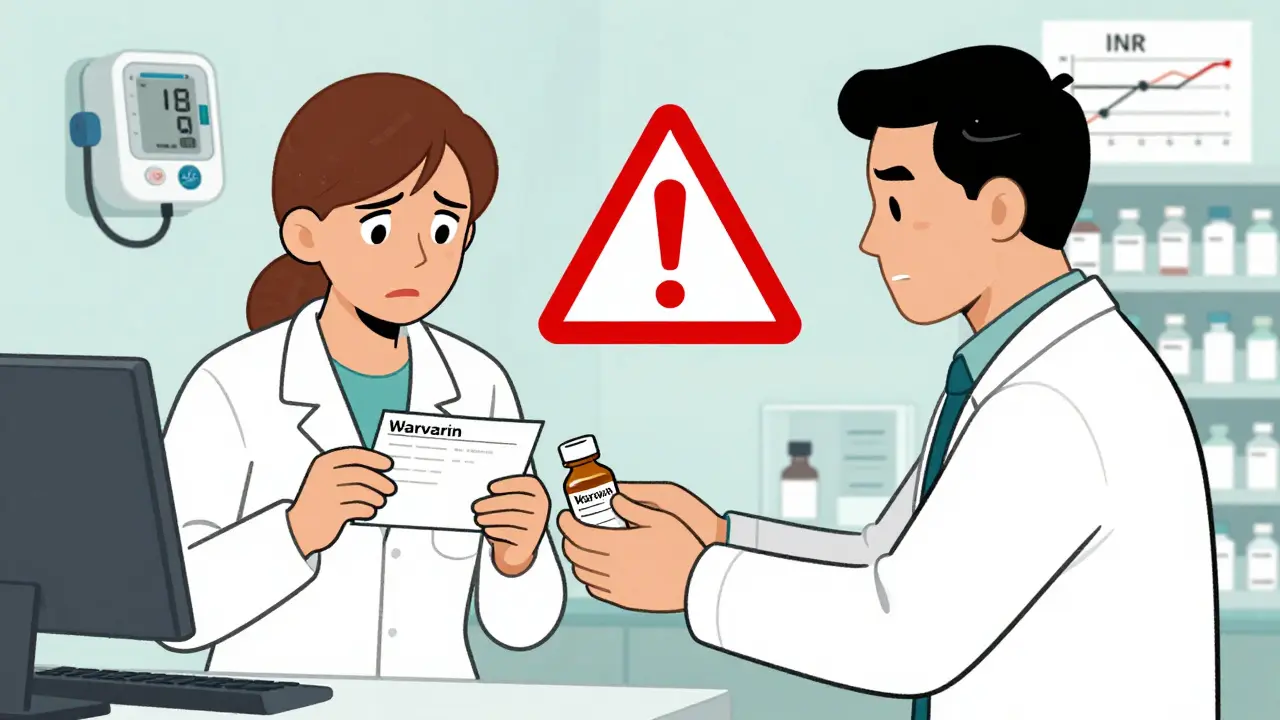
- Provide Comprehensive Clinical Documentation: When submitting a prior authorization request, include detailed medical records. This should include recent lab results (like TSH levels for thyroid patients), history of adverse reactions to generic versions, and a clear statement from the prescribing physician explaining why the brand-name drug is medically necessary.
- Use Electronic Submission Portals: Paper-based prior authorizations are slower. Many states and insurers now offer secure online portals. For example, North Carolina’s NCTracks portal is cited as the most efficient method for processing requests. Electronic submissions have been shown to reduce processing times by 42% compared to paper methods.
- Appeal Initial Denials: If your request is denied, appeal immediately. Cite relevant guidelines, such as those from the American Academy of Neurology for epilepsy patients, which highlight the risks of formulation changes. Mention any state-specific laws that protect NTI drug access.
- Request Emergency Coverage: In urgent situations, you can request an emergency prior authorization. Federal rules require Medicaid programs to respond within 24 hours and dispense a 72-hour supply in emergencies. Commercial insurers also have expedited review processes for urgent cases.
Regulatory Changes and Future Outlook
The landscape for NTI drug prior authorization is shifting due to growing regulatory pressure and advocacy. Several new laws and initiatives aim to protect patients from unnecessary delays.
In California, Assembly Bill AB-1428, effective January 1, 2025, prohibits health care service plans from requiring prior authorization for NTI drugs if the brand-name medication was previously authorized and the patient’s condition remains stable. This "continuity of care" provision ensures that patients don’t have to re-prove their need for the same medication every renewal cycle.
Federally, the Improving Seniors' Timely Access to Care Act, passed by the House of Representatives in April 2024, seeks to require Medicare Advantage plans to provide real-time electronic prior authorization determinations. This would eliminate the multi-day wait times that currently plague many patients.
Additionally, the 21st Century Cures Act has increased transparency requirements for insurers. According to a KFF analysis, this has led to a 37% increase in NTI drug requests being approved on the first submission. Industry analysts predict that by 2026, 75% of commercial health plans will have eliminated prior authorization requirements for established NTI drug categories due to demonstrated safety risks and regulatory pressure.
Despite these positive trends, challenges remain. A June 2024 report from the Patient Access Parity Coalition found that 42% of NTI drug prior authorization requests still experience processing delays exceeding 72 hours, even in states with stricter laws. Advocacy groups continue to push for complete exemptions from prior authorization for all NTI drugs, arguing that the administrative burden outweighs the cost savings.
What is an NTI drug?
An NTI (Narrow Therapeutic Index) drug is a medication where small differences in dose or blood concentration can lead to serious therapeutic failures or toxicity. Examples include phenytoin for epilepsy and levothyroxine for hypothyroidism. These drugs require consistent formulations to maintain safe and effective treatment levels.
Do all insurance plans require prior authorization for NTI drugs?
No, policies vary significantly. Some commercial insurers, like Health Net, exempt NTI drugs from prior authorization. Others may require it if a generic is available. Medicaid and Medicare Part D have their own specific rules, often involving faster response times for urgent cases. It is essential to check your specific plan’s formulary and policies.
How long does prior authorization for an NTI drug take?
On average, prior authorization for NTI drugs takes about 3.2 business days. However, this can vary based on the insurer and whether the request is submitted electronically or via paper. In emergency situations, federal rules require Medicaid to respond within 24 hours. New legislation aims to introduce real-time electronic decisions for Medicare Advantage plans.
What should I do if my prior authorization for an NTI drug is denied?
If denied, you should file an appeal immediately. Provide additional clinical documentation, such as lab results showing adverse effects from generic versions, and reference professional guidelines (e.g., from the American Academy of Neurology). You can also request an expedited review if the situation is urgent. Contacting your insurer’s patient advocate or using state-specific consumer protection resources can also help.
Are there new laws protecting patients needing NTI drugs?
Yes, several new laws are emerging. California’s AB-1428 (effective 2025) prohibits prior authorization for stable patients on brand-name NTI drugs. Federally, the Improving Seniors' Timely Access to Care Act seeks to mandate real-time prior authorization decisions for Medicare Advantage. Additionally, 22 states have enacted laws limiting prior authorization requirements or establishing expedited reviews for NTI drugs.



Liz and Nick on 8 May 2026, AT 15:35 PM
my husband has epilepsy and we just got denied again for his brand name meds because the insurance wants him to try the generic first which is insane since switching brands can literally cause seizures so why do they make us jump through hoops when it could kill someone