DPP-4 Inhibitor Joint Pain Assessment Tool
If you're taking a DPP-4 inhibitor (like Januvia or Onglyza) and experiencing sudden joint pain, this tool helps you determine if your symptoms might be related to your medication.
Results will appear here after assessment
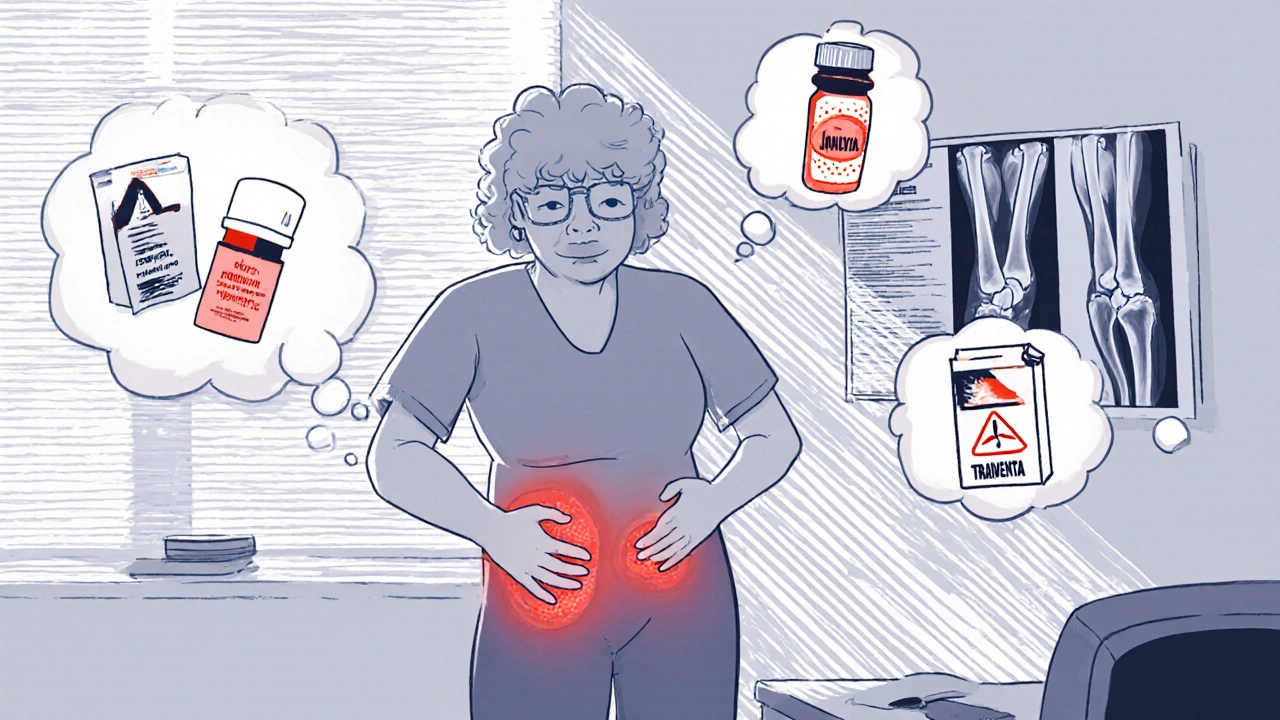
If you’re taking a DPP-4 inhibitor for type 2 diabetes and suddenly can’t walk without sharp pain in your knees, hips, or hands, you’re not imagining it. This isn’t just aging or overuse - it could be a known, but often missed, side effect of your medication. The FDA issued a formal warning about this in 2015, and since then, thousands of patients have reported sudden, severe joint pain linked to drugs like sitagliptin, saxagliptin, and linagliptin. Most doctors don’t bring it up. Many patients go months - even years - misdiagnosed with arthritis or fibromyalgia before anyone connects the dots.
What Are DPP-4 Inhibitors?
DPP-4 inhibitors are oral diabetes medications that help control blood sugar by boosting natural hormones that tell your body to release insulin after meals. They’re often prescribed when metformin alone isn’t enough. Common brands include Januvia (sitagliptin), Onglyza (saxagliptin), Tradjenta (linagliptin), and Nesina (alogliptin). These drugs are popular because they don’t usually cause weight gain or low blood sugar - unless combined with other medications like sulfonylureas.
They work by blocking the DPP-4 enzyme, which breaks down GLP-1 and GIP - two hormones that help your pancreas make insulin when it’s needed. The result? Better glucose control without the crashes or bloating you get with some other diabetes pills. But there’s a hidden cost.
The FDA Warning: It’s Real, and It’s Serious
In August 2015, the U.S. Food and Drug Administration (FDA) reviewed over 33 confirmed cases of severe joint pain tied to DPP-4 inhibitors. These weren’t mild aches. These were disabling, life-altering pains that forced people to stop working, cancel plans, and sometimes get hospitalized.
Of those 33 cases:
- 28 involved sitagliptin (Januvia)
- 5 involved saxagliptin (Onglyza)
- 2 involved linagliptin (Tradjenta)
- 1 involved alogliptin (Nesina)
- 2 involved vildagliptin (Galvus)
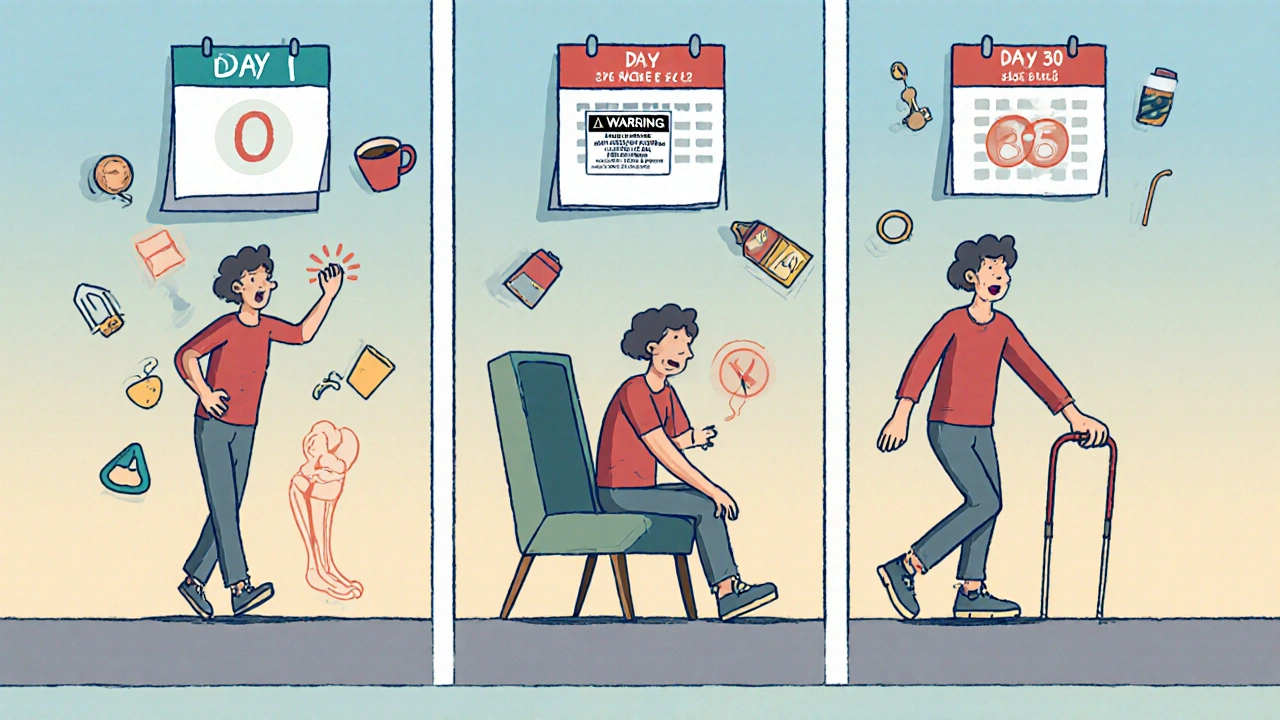
What’s striking is that 22 of these patients developed pain within just one month of starting the drug. Others took up to a year. That’s why many doctors miss the link - they assume joint pain is from age, injury, or another condition.
And here’s the kicker: 23 patients got better within a month of stopping the drug. Eight of them had the pain come back within days when they restarted it. That’s not coincidence. That’s causation.
What Does the Pain Feel Like?
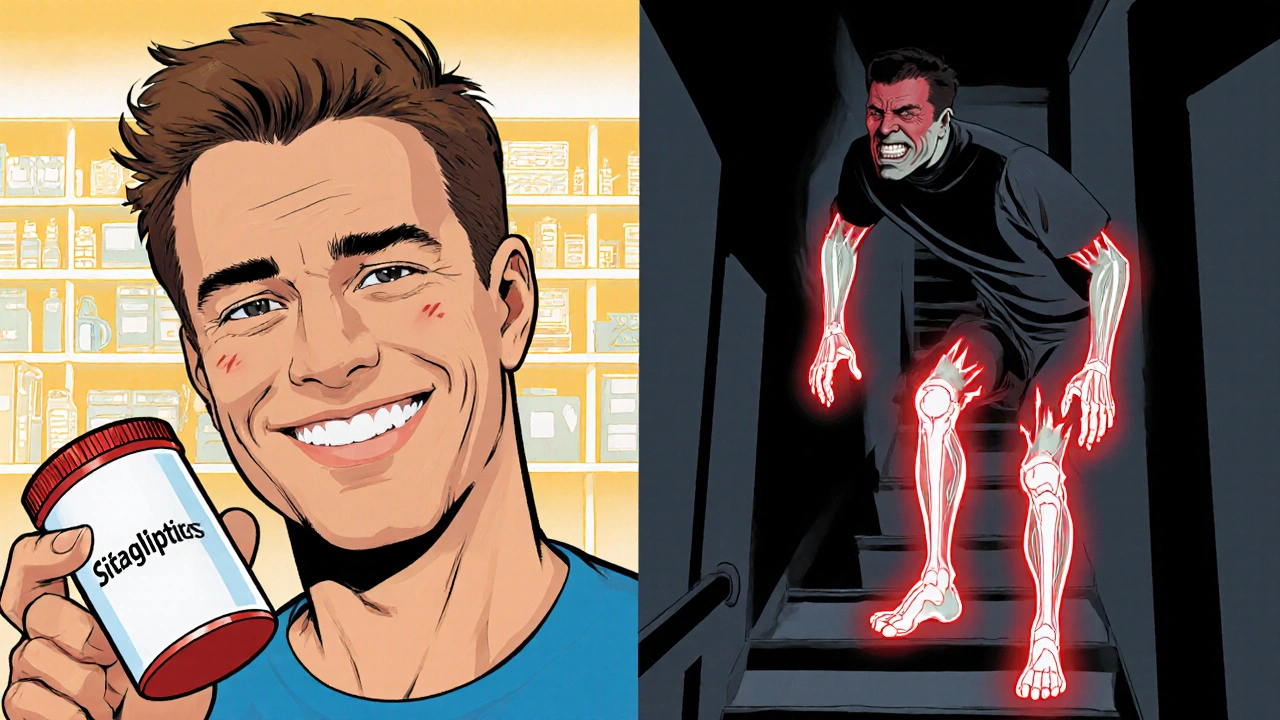
It’s not a dull ache. It’s deep, constant, and often symmetrical - meaning both knees, both wrists, or both shoulders hurt at the same time. Many patients describe it as:
- Sharp, stabbing pain that wakes them up at night
- Swelling or stiffness that doesn’t improve with rest
- Pain so bad they can’t grip a coffee cup, climb stairs, or get out of a chair
One woman, 58, started Januvia and three weeks later couldn’t walk. Her knees felt like they were filled with broken glass. She was misdiagnosed with rheumatoid arthritis. Only after stopping sitagliptin did her pain vanish - and return within 48 hours when she accidentally took another pill. That’s the pattern the FDA saw over and over.
How Common Is This?
Severe, disabling joint pain is rare - but it’s real. The FDA found 33 cases in nearly 7 years of use across millions of prescriptions. That’s less than 1 in 100,000. But milder joint discomfort? That’s more common. Clinical trials show 5-10% of users report some level of joint pain, even if it’s not severe.
Large studies back this up. A 2021 analysis of U.S. health records (using the FDA’s Sentinel system) found DPP-4 inhibitor users had a 24% higher risk of needing medical care for joint pain compared to people on other diabetes meds. Another study of older veterans showed a 17% increased risk.
But not all studies agree. A big Taiwanese study found no link. Why? Because they relied on insurance codes - and those codes often miss joint pain unless it leads to a specialist visit. Real-world patient stories don’t lie. People are suffering. And many aren’t being heard.
What Should You Do If You’re Experiencing Joint Pain?
Don’t panic. Don’t stop your medicine cold. But do act.
Here’s what to do:
- Write down when the pain started, where it hurts, how bad it is (scale of 1-10), and whether it’s getting worse.
- Check if you started any new medication in the last 6 months - especially a DPP-4 inhibitor.
- Make an appointment with your doctor. Say: “I think this joint pain might be linked to my diabetes pill.”
- Ask for a trial stoppage: “Can we stop the DPP-4 inhibitor for 4 weeks to see if the pain improves?”
- If the pain fades, talk about switching to another diabetes drug - like metformin, SGLT2 inhibitors, or GLP-1 agonists.
Most patients see improvement within 2-4 weeks of stopping. Some feel better in days. If it comes back when you restart the drug? That’s your answer.
What Are Your Alternatives?
If you need to stop a DPP-4 inhibitor, you have options. Here are the most common alternatives:
| Medication Class | Examples | Joint Pain Risk | Weight Effect | Low Blood Sugar Risk |
|---|---|---|---|---|
| Metformin | Glucophage, Fortamet | None reported | Weight loss or neutral | Low (unless combined) |
| SGLT2 Inhibitors | Empagliflozin, Canagliflozin | None reported | Weight loss | Low |
| GLP-1 Agonists | Liraglutide, Semaglutide | None reported | Weight loss | Low |
| Sulfonylureas | Glimepiride, Glyburide | None reported | Weight gain | High |
Metformin remains the first-line choice for most people. SGLT2 inhibitors and GLP-1 agonists are newer, often more effective, and come with extra heart and kidney benefits. They don’t cause joint pain. If you’re worried about injections, metformin and SGLT2 inhibitors are pills.
Other Side Effects to Watch For
While joint pain is the most underrecognized issue, DPP-4 inhibitors can cause other problems:
- Pancreatitis - rare, but serious. Symptoms: severe belly pain, nausea, vomiting.
- Allergic reactions - swelling of face, lips, throat. Call 911 if this happens.
- Bullous pemphigoid - blistering skin rash, especially in older adults. Requires dermatology care.
- Headache, stuffy nose, diarrhea - mild and common, but not dangerous.
If you notice blisters, swelling, or unexplained skin peeling, tell your doctor immediately. These are not normal.
Why Do Some Doctors Miss This?
Because the pain doesn’t show up on blood tests or X-rays. There’s no biomarker for DPP-4 inhibitor-induced joint pain. It’s a diagnosis of exclusion - meaning you rule everything else out. And most doctors don’t think to ask about medications when someone complains of joint pain. They assume it’s osteoarthritis, gout, or autoimmune disease.
Also, DPP-4 inhibitors are seen as “safe.” They’re not known for causing major organ damage. So the side effect gets buried. But the FDA’s warning is clear: if a patient has severe, unexplained joint pain - consider the drug.
What’s Being Done Now?
The FDA still monitors this issue. In January 2023, they reminded doctors to keep this side effect in mind. The European Medicines Agency issued a similar warning in 2015. And the American College of Rheumatology is working on diagnostic criteria to help doctors tell DPP-4 pain apart from rheumatoid arthritis or lupus.
Real-world data from over 250 million Americans is being analyzed through the FDA’s Sentinel system. So far, it confirms: yes, the risk is real. It’s just rare.
Bottom Line: Don’t Ignore the Pain
DPP-4 inhibitors help millions manage their diabetes. For most people, they’re safe and effective. But if you’ve had sudden, severe joint pain - especially if it started after starting one of these drugs - don’t brush it off. It’s not just “getting older.” It’s a known reaction.
Take action. Talk to your doctor. Give yourself a 4-week trial off the drug. If the pain fades, you’ve found your answer. And if it returns when you restart? You’ll know for sure.
Your joints matter. Your mobility matters. And your medication shouldn’t be stealing your ability to live.
Can DPP-4 inhibitors cause joint pain even after years of use?
Yes. While most cases of joint pain start within the first month, the FDA documented cases where pain began after 6 months or even a full year of taking the medication. This makes it harder to spot, but it’s still linked. If you’ve been on a DPP-4 inhibitor for years and suddenly develop severe joint pain, it’s worth considering the drug as a possible cause.
Should I stop taking my DPP-4 inhibitor if I have joint pain?
No - don’t stop on your own. Contact your doctor first. Stopping suddenly could raise your blood sugar. Your doctor can help you safely switch to another medication. But if you’re experiencing severe, disabling pain, don’t wait. Call your provider as soon as possible.
Is joint pain from DPP-4 inhibitors permanent?
No. In 23 out of 33 FDA-reported cases, joint pain resolved within a month after stopping the drug. For most people, pain fades within days to weeks. If you restart the medication, the pain often returns quickly - which confirms the link.
Are all DPP-4 inhibitors equally likely to cause joint pain?
Sitagliptin (Januvia) was linked to the most cases, but pain has been reported with all drugs in this class. Five patients experienced pain with more than one DPP-4 inhibitor, suggesting the risk is class-wide. It’s not just one brand - it’s the whole group.
What other diabetes drugs don’t cause joint pain?
Metformin, SGLT2 inhibitors (like Jardiance and Farxiga), and GLP-1 agonists (like Ozempic and Trulicity) are not linked to joint pain. These are common alternatives if you need to stop a DPP-4 inhibitor. Your doctor can help you choose based on your blood sugar, weight, and other health factors.



Jaswinder Singh on 27 November 2025, AT 23:51 PM
This is bullshit. I’ve been on Januvia for 3 years and my knees feel fine. You’re just scaring people for clicks. Stop pushing fear porn.